





Top-rated radon detection and reduction specialists.

Get matched with top radon detection and reduction specialists in Manheim, PA

Enter your zip and get matched with up to 5 pros

Need a pro for your radon detection and reduction project in Manheim, PA?

Select your specific project to find the pro for you.

Find Radon detection and reduction specialists in Manheim

Avatar for The Radon Bros
The Radon Bros
5.0(
6
)
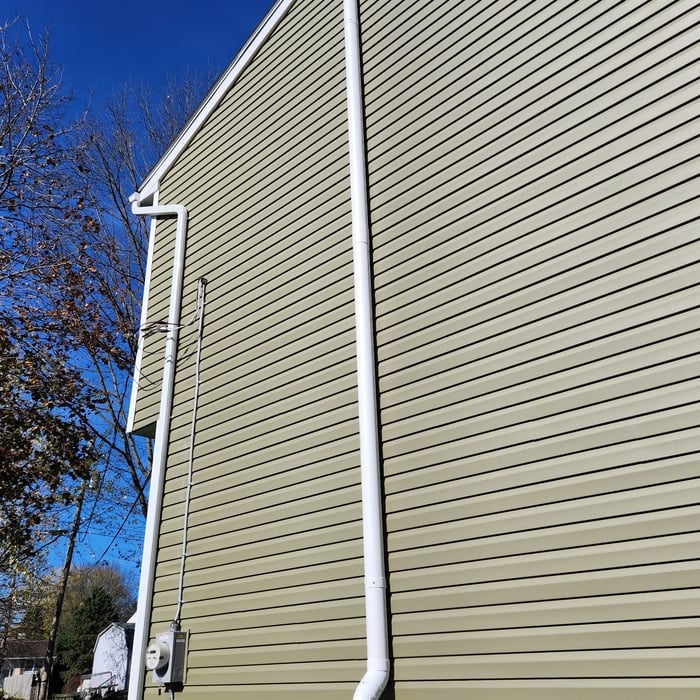
Radon Gas - AbatementRadon Gas - Testing

Serving Manheim, PA and surrounding areas

Approved

Super Service Award Winner

In business since 2018

Free estimates

Warranties offered

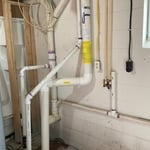
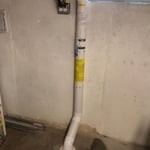
"Excellent, very satisfactory. Radon Brothers' rep came, saw the problem, and replaced the leaking radon exhaust PVC pipe in my basement floor. All in record time. Am very satisfied and will continue using Angi contractors."
Installations
Installations
Installations
Installations
Installations

+8

Response time1 day
Response rate100%
14 neighbors recently requested a quote

Avatar for AmeriSure Home Inspection, LLC
AmeriSure Home Inspection, LLC
4.6(
31
)
Radon Gas - Testing

Serving Manheim, PA and surrounding areas

Approved

In business since 2016

Free estimates

Credit card accepted

"Tom Angelucci was great. He explained many things and did not rush. He took his time and made sure he was checking everything correctly and thoroughly which is all for the customer. He was on time and confirmed before the appointment as well as shooting a quick text to let us know that the inspection report was completed."
Home Inspection
Home Inspection
Home Inspection
Home Inspection
Response time6 hrs
46 neighbors recently requested a quote
Recommended by74%of homeowners
Radon Detection and Reduction questions, answered by experts

The average radon mitigation system uses about 876 kWh of electricity per year, although the exact amount of electricity used will vary depending on the size of the radon fan. Once the system is installed, the annual increase to your energy bill could range from $30 to $300 per year, again depending on the size of the fan.

If your home has a sump pit, you can integrate it with a radon mitigation system. You can accomplish this by sealing the pump cover with an airtight lid that accommodates radon vent pipes and sump pump hoses. This allows the vent pipe to redirect the radon gas outside of your home.

Keeping radon from getting into your home is much better than having to get rid of it once it's already indoors. While there may not be a way to fully prevent radon from getting into your home, there are things you can do to reduce the gas's ability to enter. 

Sealing foundation cracks and openings can help keep the gas from seeping inside. Improving air flow, such as by opening windows, can also be helpful. If you're building your home from scratch, talk to your contractor about using radon-resistant construction to keep the gas out.

Mitigation reduces radon levels, protecting your health and complying with safety standards.

No level of radon is technically safe, but since it is present everywhere, complete avoidance is impossible. The average radon level in homes across the United States is 1.3 picocuries per liter (pCi/L). The Environmental Protection Agency (EPA) recommends taking preventative measures if your home's radon levels are between 2 and 4 pCi/L or higher.

The Manheim, PA homeowners’ guide to radon detection and reduction services

From average costs to expert advice, get all the answers you need to get your job done.