
Top-rated radon detection and reduction specialists.

Get matched with top radon detection and reduction specialists in Newmanstown, PA

Enter your zip and get matched with up to 5 pros

Need a pro for your radon detection and reduction project in Newmanstown, PA?

Select your specific project to find the pro for you.

Find Radon detection and reduction specialists in Newmanstown

Avatar for Keystone Radon Mitigators
Keystone Radon Mitigators
4.7(
43
)
Radon Gas - AbatementRadon Gas - Testing

Serving Newmanstown, PA and surrounding areas

In business since 2008

Free estimates

Emergency services offered

"They came back and checked on it when the levels weren't quite what they should be. I only have good things to say about them. They were very professional and knowledgeable. They seemed to have a lot of information about radon and how to have it removed from our house, and keep the levels down. The price was reasonable."
Recommended by94%of homeowners
AAA Radon Experts
New to Angi
Radon Gas - Testing

Serving Newmanstown, PA and surrounding areas

In business since 1993

Free estimates

Credit card accepted

We're a locally owned and operated company that values honesty and integrity and treats your home as if it were our own. We specialize in radon gas testing and abatement. We pride ourselves on the quality of our work as well as our commitment to outstanding results. We look forward to building lasting relationships and guarantee your satisfaction!

Radon Detection and Reduction questions, answered by experts

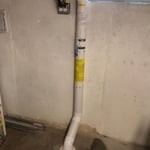
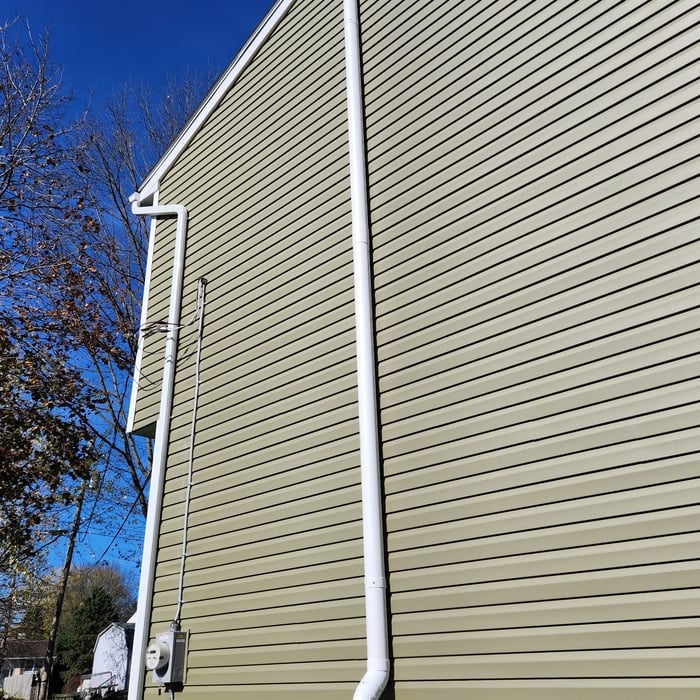
Your radon fan needs to operate 24/7 to be effective. The only time the fan isn't operating is during its replacement. Radon levels in the home can increase within hours if the fan stops working or something obstructs the stack vent. Fortunately, radon systems require no downtime maintenance between fan changes.

Radon is the number one non-smoking cause of lung cancer in the United States, but it can cause some other concerning side effects in the meantime. If you have a raspy voice, chest pains, trouble breathing, difficulty swallowing, or any of the above, don’t hesitate to perform radon testing and install a mitigation system as soon as possible.

No level of radon is technically safe, but since it is naturally present everywhere, it is impossible to avoid entirely. The average radon level in homes across the United States is 1.3 picocuries per liter (pCi/L). The Environmental Protection Agency (EPA) recommends taking action to reduce radon levels if your home's test results are between 2 and 4 pCi/L or higher.

Options include sub-slab depressurization, crawlspace ventilation, and sealing cracks. Choose based on home construction and radon levels.

The soil beneath your house is most likely what’s causing an increased level of radon. This is because soil holds radioactivity for a long time and it’s also what most buildings are built on. Another common source of radon is water from a source that hasn’t been through periodic radon tests, such as well water. Over time, the radon from the soil can inhabit other parts of your house like the foundation or plumbing.

The Newmanstown, PA homeowners’ guide to radon detection and reduction services

From average costs to expert advice, get all the answers you need to get your job done.