




Top-rated electricians.

Get matched with top electricians in Jonestown, PA

Enter your zip and get matched with up to 5 pros

Need a pro for your electrical service project in Jonestown, PA?

Select your specific project to find the pro for you.

TRUSTED BY JONESTOWN, PA HOMEOWNERS

  • Average homeowner rating star icon4.6
    Average homeowner rating
  • Verified reviews icon419
    Verified electrical services reviews

Find Electricians in Jonestown

Avatar for W B Lightning Rods
W B Lightning Rods
4.6(
372
)
Lightning Protection - Install or Repair

Serving Jonestown, PA and surrounding areas

Approved

In business since 2001

Free estimates

Warranties offered

"Used this company previously and again it was a pleasure from beginning to end. I would give him 10 Stars if I could. Referred William to a close friend of mine and she was just as pleased. We both sleep better during our bad Florida thunderstorms. A friend of mine lost their home due to lightning. They got out just in time couldn’t save anything but their lives barely. I urge all to install lightning rods."
lightning protection
 Residential LPS
lightning protection
 Residential LPS
lightning protection

+79

Response time1 day
178 neighbors recently requested a quote
Recommended by96%of homeowners
Avatar for Hurricane Home Solutions Southern Tier, Inc
Hurricane Home Solutions Southern Tier, Inc
4.6(
207
)
Fixed Generator - Install

Serving Jonestown, PA and surrounding areas

Approved

In business since 2019

Free estimates

Emergency services offered

"When my previous tankless water heater died two days before Christmas, I needed a solution fast. Hurricane not only replied immediately, but had a unit reserved for me in the event I would hire them. They gave me a break on installation costs since the necessary mechanical, plumbing and electrical was already in place. I will call on them for any future needs as they have now expanded their offerings. Based on my experience so far, I can recommend Hurricane."
Champion Logo
8.5kW Champion Side
8.5kW Champion Front
Champion Automatic Transfer Switch
Generac Logo

+9

Response time1 day
Response rate100%
14 neighbors recently requested a quote
...
Showing 1-10 of 280
Electrical questions, answered by experts

Generators are safe to use as long as they are installed and operated correctly according to the manufacturer's recommendations. The most critical safety tips are to never use a portable or fuel-powered generator inside an enclosed space due to the risk of lethal carbon monoxide poisoning; always operate it outdoors where fumes can dissipate away from your home. Additionally, never attempt to connect a generator to your home’s electrical panel yourself—hire a professional to ensure the setup meets safety standards. Finally, avoid overloading the generator by not connecting more appliances than it is rated for, as this can damage your equipment or cause a fire.

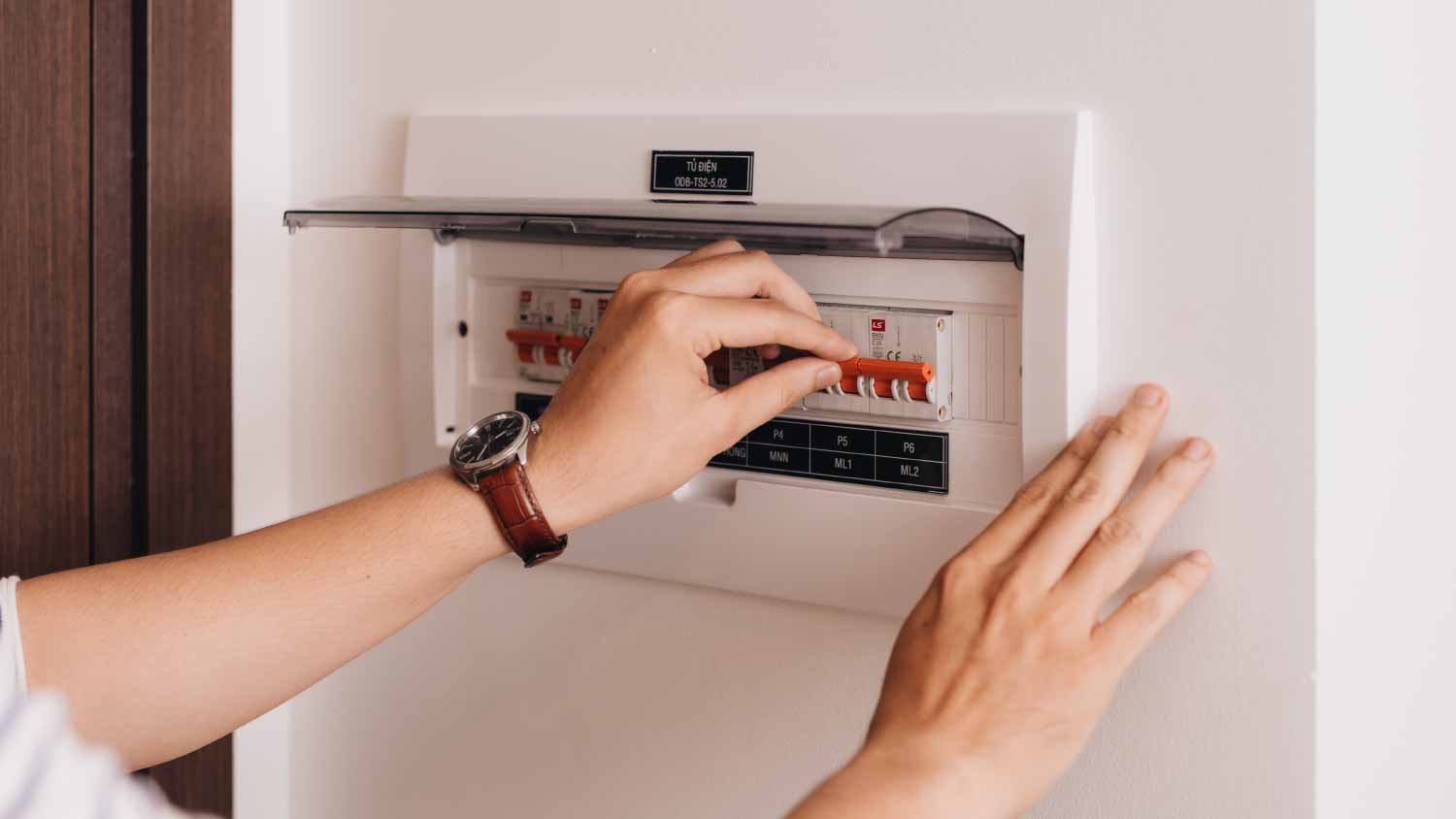
Doorbell wires typically won't spark because they carry low voltage. However, if there's a short circuit or damaged wiring, sparking could occur. Always turn off the power at the breaker box before working with doorbell wires to prevent any risk. If you notice any sparking, it's a sign of a problem that a professional electrician should address.

In the United States, home outlets support a standard 15 amps, but you can upgrade per outlet if necessary. Most single-family residential homes have a maximum overall amp rating, usually 100 to 200 amps. Very old houses may have less than 100 amps, but that’s rare. Large homes often come with amp services above 200 amps to support modern lifestyles.

While washers and dryers do not require a GFCI (ground fault circuit interrupter) outlet to function properly, electrical codes often mandate their use for safety. The National Electrical Code (NEC) requires GFCI protection for all outlets within six feet of a water source. This means a washer and dryer must be plugged into a GFCI outlet if they are installed in locations like a laundry room, utility room, garage, or basement. In other areas without a nearby water source, there is no specific requirement, but using a GFCI outlet is still recommended for extra peace of mind. It is always best to consult your local codes and regulations to ensure compliance and safety.

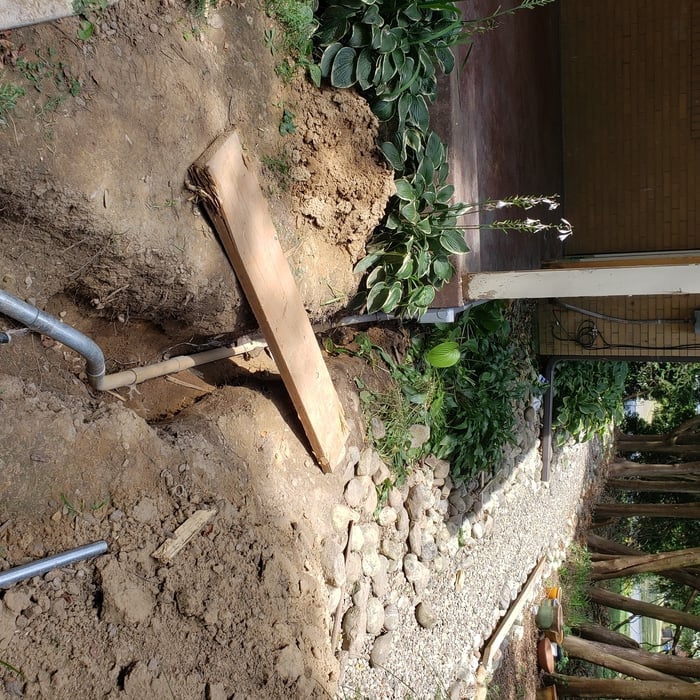
You can bury underground electrical wire six inches deep—but only if you use a rigid metal electrical conduit. For rigid, non-metallic conduits, bury the wire at least 12 inches deep. If using an underground feeder cable rated for direct burial, you'll need to place it at least 18 inches deep, as it has no conduit for extra protection.

The Jonestown, PA homeowners’ guide to electrical services

From average costs to expert advice, get all the answers you need to get your job done.