








Top-rated electricians.

Get matched with top electricians in Richland, PA

Enter your zip and get matched with up to 5 pros

Need a pro for your electrical service project in Richland, PA?

Select your specific project to find the pro for you.

TRUSTED BY RICHLAND, PA HOMEOWNERS

  • Average homeowner rating star icon4.8
    Average homeowner rating
  • Verified reviews icon82
    Verified electrical services reviews

Find Electricians in Richland

Avatar for Mountaintop Electric LLC
Mountaintop Electric LLC
5.0(
16
)
Electrical Wiring or Panel UpgradeElectrical for Home Addition or Remodel - InstallFixed Generator - Install+15 more

Serving Richland, PA and surrounding areas

Approved

Super Service Award Winner

In business since 2023

Free estimates

Emergency services offered

"Garrett was very friendly and fast. He did very good work and cleaned up the area after he was finished. He also took the time to explain exactly what he was going to do and how long it would take. I would recommend him to anyone looking for electrical work to be completed."
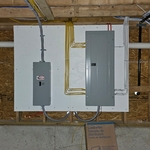
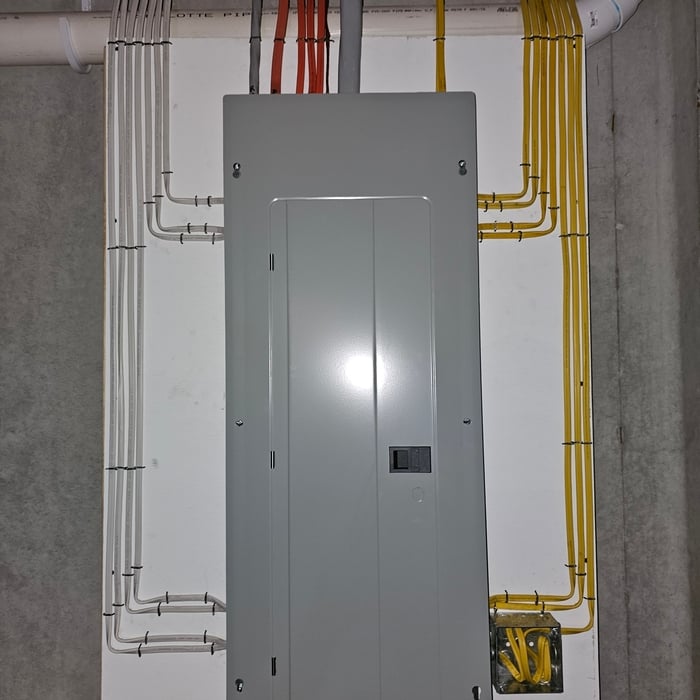
Panel A
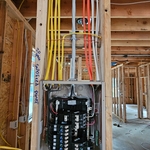
Panel B
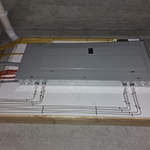
Panel c
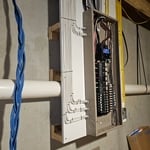
Panel D
Panel D 2

+10

Response time8 hrs
Response rate89%
3 neighbors recently requested a quote
...
Showing 1-10 of 348
Electrical questions, answered by experts

Most standard residential water heaters, which are typically around 40 gallons and use 240 volts and between 3,500 and 5,500 watts, require a 30-amp, two-pole circuit breaker. For smaller, point-of-use water heaters using 120 volts and between 1,500 and 3,000 watts, a 30-amp breaker is also often adequate. However, some models may have different needs; units that use more watts than average may require a 40-amp breaker, while smaller units might only need a 20-amp breaker. Newer, tankless, or more energy-efficient models can also require a higher amperage. Having the correct breaker size is crucial for safe and efficient operation, so it's best to consult a licensed electrician to determine the specific needs of your water heater.

Just like apples in a bunch, one bad outlet can cause other outlets to stop working. This is especially true if the outlets are connected in a series on the same circuit. When one outlet develops a fault, it can spread to every outlet downstream of the original.

You should never unplug or touch a buzzing outlet. If there are appliances plugged in that are causing the buzzing, wait until the appliance is turned off (or turn it off yourself) and then unplug it from the outlet. Test the outlet by plugging in something that won’t use much power—a small lamp works well. If the outlet still buzzes, have a pro investigate why.

Hiring a professional for attic fan installation or replacement is highly recommended to ensure safety, proper ventilation, and effectiveness without damaging your roof. The type of professional needed can vary based on the fan type and project specifics.

  • HVAC Technicians: They understand airflow and ventilation principles, making them well-suited for the job.

  • Roofers: Experienced roofers are ideal for roof-mounted fans, as they can ensure a watertight installation.

  • Electricians: A licensed electrician is essential if new wiring is needed, or for replacing solar or electric attic fans to safely handle the electrical connections.

  • Carpenters: They may be needed to install gable vent fans or to ensure a new fan fits the existing structure correctly.

  • Handyperson: For a simple replacement of an old fan with no wiring or structural modifications, a handyperson might be an option.

This depends on how many outlets you have and the current status of your electrical system. The cost to ground an outlet clocks in at $75 to $480 per outlet, so multiply that by the number of outlets in your home to arrive at a rough estimate. However, this is for simple projects with no obvious issues with the system. Your final bill could vary widely from your calculations.

The Richland, PA homeowners’ guide to electrical services

From average costs to expert advice, get all the answers you need to get your job done.