




Top-rated excavation pros.

Get matched with top excavation pros in Aston, PA

Enter your zip and get matched with up to 5 pros

Need a pro for your excavation project in Aston, PA?

Select your specific project to find the pro for you.

TRUSTED BY ASTON, PA HOMEOWNERS

  • Average homeowner rating star icon4.3
    Average homeowner rating
  • Verified reviews icon52
    Verified excavation services reviews

Find Excavation pros in Aston

Avatar for Pierce L Shallis Landscaping & Design
Pierce L Shallis Landscaping & Design
4.9(
326
)
Landscape - Minor Grading or Resloping

Serving Aston, PA and surrounding areas

Approved

Super Service Award Winner

In business since 2008

Free estimates

Emergency services offered

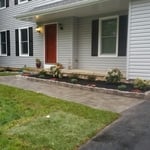
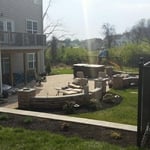
"We contacted Pierce L. Shallis Landscaping after doing some research and reading online reviews. We needed landscape remediation as water was building up in the front side of our house (during heavy rain) and wanted a new flower bed as well. I contacted them and they got back to me right away. Pierce came out to take a look and after talking to him, I was confident he had the expertise to do the work. To no surprise, he and his crew did a fantastic job. I defaulted to his opinion about what plants would look great in the flower bed. My only request was a small Japanese maple. The communication was great from start to finish. I would highly recommend this company to anyone as they are both knowledgeable and professional. When hiring Pierce L. Shallis, you will have peace of mind that they will get the job done right."

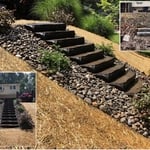
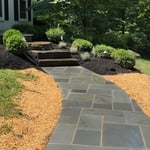
Outdoor Living
Outdoor Living
Outoor Living
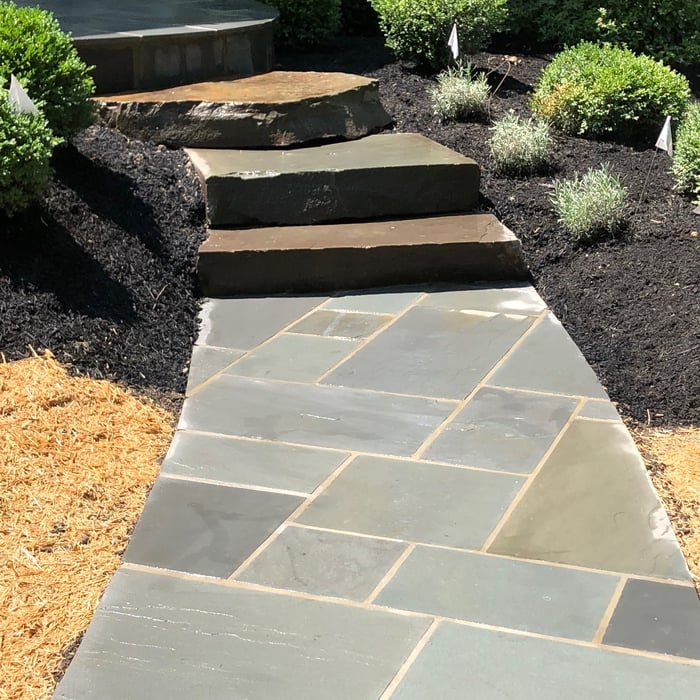
Flagstone
Walkway Steps

+46

16 neighbors recently requested a quote
Recommended by93%of homeowners
Tri-State Brother's Professional Cleaning, Inc.
New to Angi
Building Site - Preparation and Clearing - For BusinessExcavation - Major Grading or Resloping - For Business

Serving Aston, PA and surrounding areas

Approved

In business since 2011

Free estimates

We are a locally owned and operated company that values honesty and integrity and treats your home as if it were our own. We offer a variety of quality cleaning and janitorial services. You will find us to be competitively priced with close attention to the details of each and every project that we are involved with. We look forward to building lasting relationships and guarantee your satisfaction!

Response time1 day
...
Showing 1-10 of 145
Excavating questions, answered by experts

A trench that is less than 5 feet deep often doesn't require a protective system. Most residential trenches will not go this deep (the typical residential drainage trench is just 18 inches deep). In the event that an excavator needs to dig more than 5 feet beneath the surface, a protective system is required unless the excavation is in entirely stable rock.

The best way to protect tree roots is to avoid the roots entirely by excavating outside the root radius of the tree. For nearby projects, it’s a good idea to construct a temporary retaining wall. But that’s not always possible, depending on the project and the root system. In these cases, consider using alternative equipment like an auger to tunnel under the ground.

Remember, tree roots can damage nearby cement foundations as they grow. If a tree is close enough to interfere with large excavations, it may be better to remove the tree than risk future problems.

Consultation with the local government helps identify necessary permits, avoid project delays or legal issues, and protect project integrity.

Call 811 to locate and mark the gas lines at least three days before digging. In many areas, you can dig within 18 inches of the lines, though in some locations, the distance may be further. Check local regulations, as you may need a utility company representative onsite when digging. Document your calls to 811 and precautions taken to avoid gas lines. A homeowner can be held liable for hitting a gas line in some cases, but contacting the proper authorities and following all guidelines can offer protection.

The best type of soil to build on is a mixture of sand and clay, known as loam soil. Loam soil has the best combination of these soil types to build a foundation on. The clay particles help with water retention, so it won’t erode like sandy soil might, and the sandy particles help with drainage, so you won’t see unsafe soil expansion or have an increased risk of leaks from water sitting against your foundation.

The Aston, PA homeowners’ guide to excavation services

From average costs to expert advice, get all the answers you need to get your job done.