



Top-rated excavation pros.

Best excavation pros near Chester, PA

Enter your zip and get matched with up to 5 pros

Need a pro for your excavation project in Chester, PA?

Select your specific project to find the pro for you.

TRUSTED BY CHESTER, PA HOMEOWNERS

  • Average homeowner rating star icon4.3
    Average homeowner rating
  • Verified reviews icon27
    Verified excavation services reviews

Top-Rated Excavation pros in Chester - Updated Nov 2026

Avatar for JB Landscape Contractors, LLC
JB Landscape Contractors, LLC
4.3(
11
)
Building Site - Preparation and Clearing - For BusinessExcavation - Major Grading or Resloping - For Business

Serving Chester, PA and surrounding areas

Approved

Free estimates

Credit card accepted

Offers commercial services

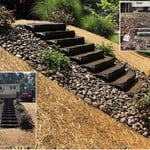
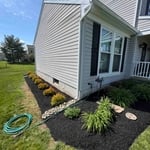
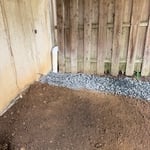
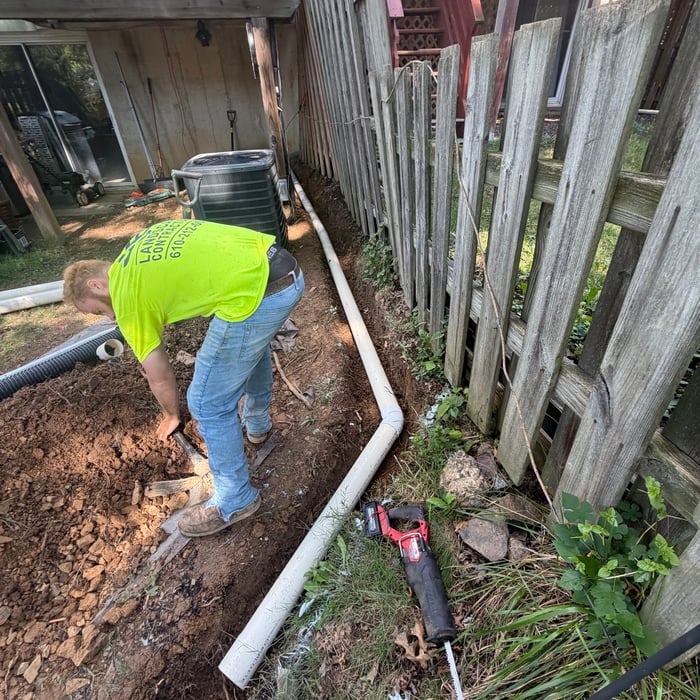
"Hired them in spring 2026 for a boulder ramp and grass seeding (about 360 sq ft), roughly $6,500 total. Two issues with the work. The topsoil they filled has since settled into a low spot deep enough that it's hard to push a mower across ? a grading issue that affects everyday use. And the grass they seeded was dead by early summer, within months of the install. They came back out and agreed to fix it by reseeding. I took that as standing behind the original work, so I was surprised when they sent a $400 bill for it ($250 labor, $150 seed and straw) ? essentially full price for a brand-new seeding job that size. I offered to pay the $150 for materials and asked them to cover the labor as making good on the install. I never received a reply after 10 days. The project price was reasonable, but the finish quality and the after-the-fact service didn't match it. If you hire them, get grading and finish expectations in writing up front."
Full garden redesign
Drainage solutions
Drainage solutions
Drainage solutions
Drainage solutions

+4

2 neighbors recently requested a quote

Avatar for Davis Home Remodel and Flips

Davis Home Remodel and Flips
5.0(
6
)
Building Site - Preparation and ClearingBuilding Site - Preparation and Clearing - For Business

Serving Chester, PA and surrounding areas

Approved

In business since 2022

Free estimates

Emergency services offered

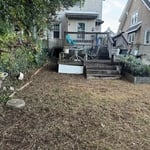
"We hired the Davis remodeling company in June to rid our property of a tremendous amount of yard debris. Larnell was quick to respond and came out promptly for an estimate. He did an amazing job, which was not easy on an extremely hot day! Estimate was reasonable and would definitely recommend! He is also a very nice and professional person!"
Response time4 hrs
Response rate100%
3 neighbors recently requested a quote
...
Showing 1-10 of 179
Excavating FAQs, answered by experts

Skunk digging looks like a series of small, cone-shaped holes on a lawn or around the perimeter of a home, porch, deck, or shed. The holes that skunks dig when searching for grubs tend to be no more than four inches in diameter and may be up to four inches deep.

A crawl space can be as little as 42 inches below the grade of your house, but this is not always recommended in flood-prone areas. At a minimum, there must be at least 16 inches of clearance between the ground and the floor joists to access the space in an emergency.

Trenching and boring are two distinct methods for installing underground utilities. Trenching involves digging a channel using equipment like an excavator, trencher, backhoe, or shovel. While it is a simpler process, it causes significant disruption to the surface, landscaping, and surrounding ecosystems.

Boring, also known as directional boring, is a less invasive alternative that uses a drill to create a tunnel for utility lines without disturbing the surface. This method is more precise and is ideal for installations that need to go underneath buildings, roads, or bodies of water. Although boring is less disruptive, it is generally more expensive than trenching.

Depth is not a qualifying component of evacuation. Any human-made cut, cavity, or depression in the earth’s surface is considered excavation. The hole from excavation can be any size, shape, or depth. Excavation is used to create foundations, reservoirs, drainage ditches, and roads. Long, narrow excavations are called trenches and are often used for underground utilities.

No, a ditch isn’t a trench. A ditch is an open, relatively shallow channel that’s carved out of the ground and used for drainage purposes. In contrast, a trench is a deeper excavation that’s entirely underground. Trenches have many uses, including gas lines, sewage systems, and electrical wiring. Unlike trenches, ditches don’t get filled back in with dirt after they’re dug.

The Chester, PA homeowners’ guide to excavation services

From average costs to expert advice, get all the answers you need to get your job done.