




Top-rated excavation pros.

Best excavation pros near Parkside, PA

Enter your zip and get matched with up to 5 pros

Need a pro for your excavation project in Parkside, PA?

Select your specific project to find the pro for you.

TRUSTED BY PARKSIDE, PA HOMEOWNERS

  • Average homeowner rating star icon4.3
    Average homeowner rating
  • Verified reviews icon27
    Verified excavation services reviews

Top-Rated Excavation pros in Parkside - Updated Nov 2026

Tri-State Brother's Professional Cleaning, Inc.
New to Angi
Building Site - Preparation and Clearing - For BusinessExcavation - Major Grading or Resloping - For Business

Serving Parkside, PA and surrounding areas

Approved

In business since 2011

Free estimates

We are a locally owned and operated company that values honesty and integrity and treats your home as if it were our own. We offer a variety of quality cleaning and janitorial services. You will find us to be competitively priced with close attention to the details of each and every project that we are involved with. We look forward to building lasting relationships and guarantee your satisfaction!

Response time1 day
Avatar for ES Excavation
ES Excavation
5.0(
4
)
Building Site - Preparation and ClearingExcavation - Major Grading or Resloping

Serving Parkside, PA and surrounding areas

In business since 1989

Free estimates

Emergency services offered

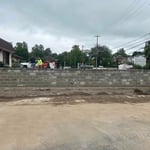
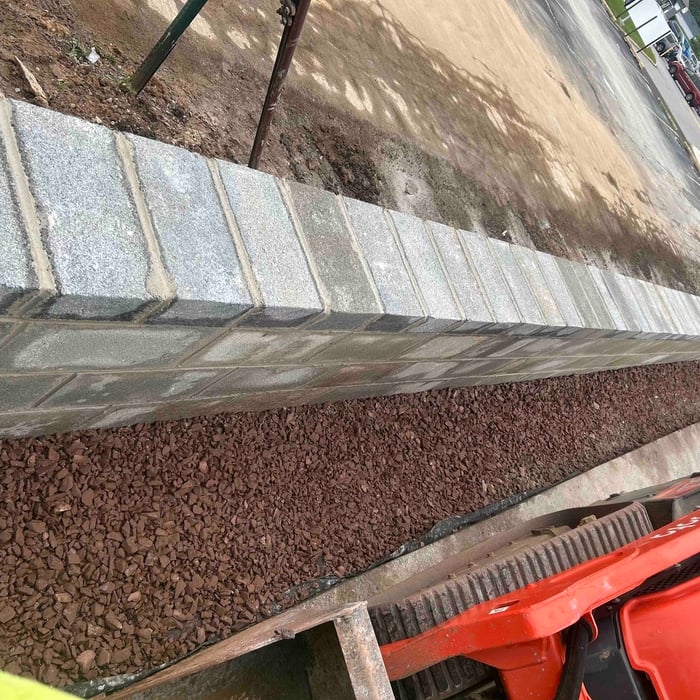
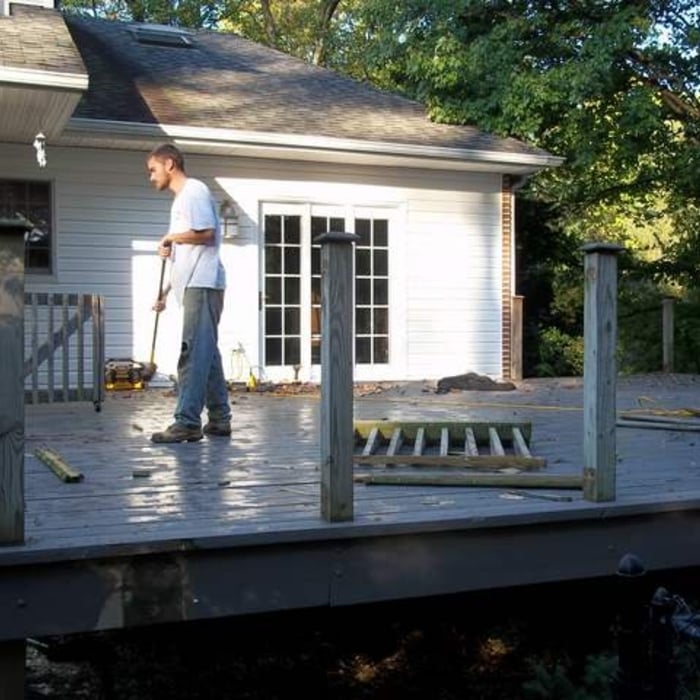
"Mike is terrific to work with. He and his crew are clean, efficient, and reasonably priced. They helped us to backfill and grade a very wet area and build a boulder retaining wall to divert a stream through our woods. The end result is much more attractive and effective at managing the storm water. Mike was helpful in providing guidance and assistance to ensure the project was done right the first time. We would use him again and recommend him to others in a heartbeat."
Additional Photos
Additional Photos
Additional Photos
Additional Photos
Additional Photos

+14

Recommended by75%of homeowners
...
Showing 1-10 of 128
Excavating FAQs, answered by experts

The physical constraints of hand-drilling a well limit the depth you can achieve. Manually digging with picks and shovels may only lead to shallow wells of up to 60 feet in depth. To reach greater depths, you need more specialized equipment. The diameter of your well and the tools you’re using will determine how far down you can dig.

Tree experts don’t advise against digging through tree roots, but instead encourage caution and consultation with a local arborist to make sure you don’t damage the tree’s structure or interrupt its water or nutrient intake. An arborist can recommend specific practices when digging and help prune the roots or dig a trench for utilities with a tool that can remove soil without touching the tree’s roots.

There is no standard depth for burying a septic tank; they are typically buried anywhere from 4 inches to 4 feet underground. The final depth depends on several factors, including the depth of your main sewer line, the height of the bedrock, soil type, local regulations, and the property's landscape. If you plan to grow grass or plants over the tank, a depth of at least 4 to 6 inches is recommended. Deeper tanks can be more difficult to locate, but a septic professional can help find it for you.

Trenching and boring are two distinct methods for installing underground utilities. Trenching involves digging a channel using equipment like an excavator, trencher, backhoe, or shovel. While it is a simpler process, it causes significant disruption to the surface, landscaping, and surrounding ecosystems.

Boring, also known as directional boring, is a less invasive alternative that uses a drill to create a tunnel for utility lines without disturbing the surface. This method is more precise and is ideal for installations that need to go underneath buildings, roads, or bodies of water. Although boring is less disruptive, it is generally more expensive than trenching.

In the United States, a depth of 36 inches (three feet) for underground water lines is the accepted industry standard. This depth varies from location to location based on local conditions. In areas with colder winters, they may be buried deeper to prevent frozen well water pipes : This is usually at least six inches below the frost level. The International Plumbing Code calls for a minimum of 12 inches below grade.

The Parkside, PA homeowners’ guide to excavation services

From average costs to expert advice, get all the answers you need to get your job done.