




Top-rated excavation pros.

Get matched with top excavation pros in Camas, WA

Enter your zip and get matched with up to 5 pros

Need a pro for your excavation project in Camas, WA?

Select your specific project to find the pro for you.

TRUSTED BY CAMAS, WA HOMEOWNERS

  • Average homeowner rating star icon4.8
    Average homeowner rating
  • Verified reviews icon114
    Verified excavation services reviews

Find Excavation pros in Camas

Jayrah General Contracting, LLC
5.0(
3
)
Landscape - Minor Grading or ReslopingBuilding Site - Preparation and ClearingExcavation - Major Grading or Resloping+1 more

Serving Camas, WA and surrounding areas

Approved

In business since 2018

Free estimates

Credit card accepted

"He was great communicating when the weather made it impossible to excavate. He was great about keeping me informed as to when he might be able to do the work. And he was punctual when he did come out"
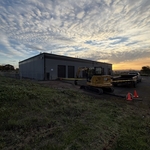
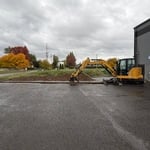
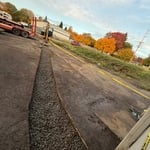
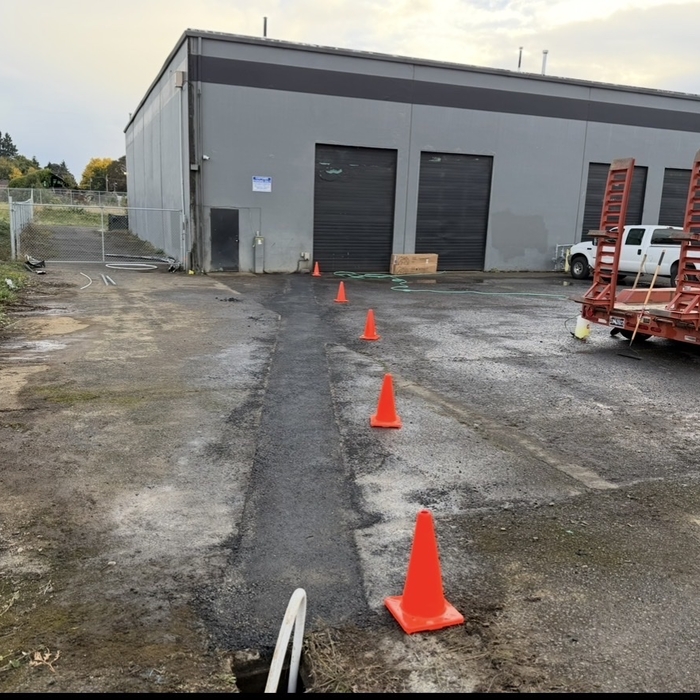
My work
My work
My work
My work
My work

+5

Response time1 day
3 neighbors recently requested a quote
Recommended by100%of homeowners
...
Showing 1-10 of 126
Excavating questions, answered by experts

The rules for trenching and excavation include setting up and following safety protocols, learning how to use tools and machines properly, and ensuring there is a safe exit for all workers. Keep heavy equipment and materials away from the edge of the hole or trench. Call the 811 dig line before starting any excavation or trenching project to ensure you don’t hit any electrical or gas lines.

The best method for digging a trench depends on the scope of the project. For a short, shallow trench (less than 2 feet deep) in light, soft soil, digging by hand may be sufficient. However, digging by hand is labor-intensive, so consider the effort required. A machine trencher is the better option for longer trenches (over 100 feet), deeper ones, or when dealing with difficult soil conditions, such as rocky or hard ground, or obstructions like tree roots. A machine can save significant time and energy in these situations.

Excavations take a few days or up to a few weeks. The time it takes to excavate an area depends on the size of the area, the type of soil, the type of excavator, and even the time of year, since winter can make digging up the ground more difficult.

A joint utility trench, or joint trench, is a long, buried ditch on a property that contains two or more utility lines rather than running the lines in multiple trenches. Some utilities, like gas and electric or electric and communication lines, are better suited to joint trenching, while others, like water and sewer, are not allowed to be in the same trench.

Sewer lines can be buried anywhere from 18 inches to 8 feet deep, with a common average depth between 18 and 30 inches. The exact depth depends on local factors like climate and soil type. In colder regions, pipes must be buried deeper (below the frost line) to prevent freezing, sometimes as deep as 8 feet. The digging depth can also impact the cost of sewer line replacement. To find the specific depth for your property, you can check the building plans for your system, which should be on file with your city or local sanitation department since permits are required for installation.

The Camas, WA homeowners’ guide to excavation services

From average costs to expert advice, get all the answers you need to get your job done.