






Top-rated radon detection and reduction specialists.

Get matched with top radon detection and reduction specialists in Troy, OH

Enter your zip and get matched with up to 5 pros

Need a pro for your radon detection and reduction project in Troy, OH?

Select your specific project to find the pro for you.

Find Radon detection and reduction specialists in Troy

A1 Property Pros LLC
4.6(
11
)
Radon Gas - Testing

Serving Troy, OH and surrounding areas

In business since 2024

Free estimates

Credit card accepted

"Wayne from A1 Property Pros did an outstanding job of mitigating my home. Took the Radon level from 11.8 down to less than 1.6 They ran all the pipes inside my home and fan in an attic. Looks great and no more worries. Wayne is a very kind and trustworthy man. He was very competitive in price and great on quality. He should be the only company you call for getting rid of radon. ....Gary V."
Response time7 hrs
Response rate96%
Recommended by40%of homeowners
Radon Detection and Reduction questions, answered by experts

There are steps you can take as a homeowner to remediate radon yourself. While a radon reduction professional can make the biggest impact in your home, you can make efforts to improve radon levels on your own by sealing cracks, increasing ventilation, and testing for radon regularly.

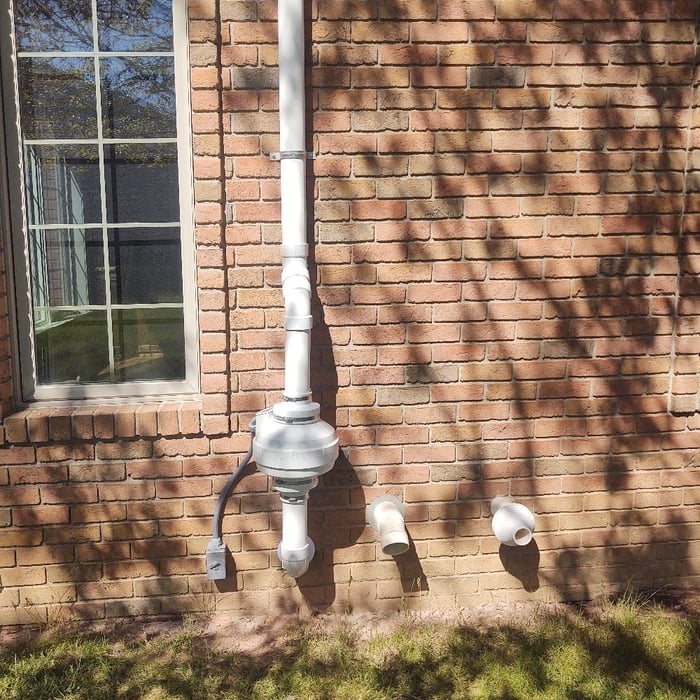
Your radon fan needs to operate 24/7 to be effective. The only time the fan isn't operating is during its replacement. Radon levels in the home can increase within hours if the fan stops working or something obstructs the stack vent. Fortunately, radon systems require no downtime maintenance between fan changes.

The average radon mitigation system uses about 876 kWh of electricity per year, although the exact amount of electricity used will vary depending on the size of the radon fan. Once the system is installed, the annual increase to your energy bill could range from $30 to $300 per year, again depending on the size of the fan.

Your radon mitigation system may be loud because it’s time to replace it. Any sounds are usually from the inline fan that helps create the vacuum and resulting airflow. If you hear a new, loud mechanical or humming noise from your radon fan, it might be time to replace it. Most fans used in radon mitigation systems last up to 10 years, but may need to be replaced sooner.

If high radon levels are detected, steps include sealing entry points, installing a mitigation system, and retesting the air regularly to ensure reduced levels.

The Troy, OH homeowners’ guide to radon detection and reduction services

From average costs to expert advice, get all the answers you need to get your job done.