



Top-rated radon detection and reduction specialists.

Best radon detection and reduction specialists near Huber Heights, OH

Enter your zip and get matched with up to 5 pros

Need a pro for your radon detection and reduction project in Huber Heights, OH?

Select your specific project to find the pro for you.

Top-Rated Radon detection and reduction specialists in Huber Heights - Updated Nov 2026

Avatar for Ohio Certified Inspections
Ohio Certified Inspections
4.9(
46
)
Radon Gas - Testing

Serving Huber Heights, OH and surrounding areas

Approved

In business since 2000

Free estimates

Emergency services offered

"Craig was very professional. He followed through on everything he promised and even helped save us money on something we ask him to do. I felt like he was really in the business to help, not just make money. I found his approach refreshing and would recommend him to anyone."
page 1
page 2
page 39
page 40
page 41

+39

Response time10 mins
13 neighbors recently requested a quote
Recommended by86%of homeowners

Radon Detection and Reduction FAQs, answered by experts

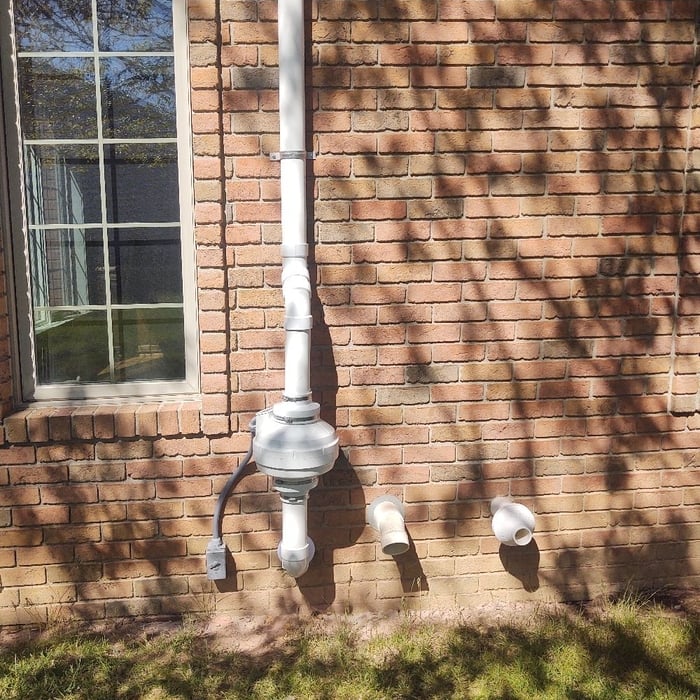
Your radon mitigation system may be loud because it’s time to replace it. Any sounds are usually from the inline fan that helps create the vacuum and resulting airflow. If you hear a new, loud mechanical or humming noise from your radon fan, it might be time to replace it. Most fans used in radon mitigation systems last up to 10 years, but may need to be replaced sooner.

Long-term exposure increases lung cancer risks. Prolonged homestay individuals and smokers encounter heightened vulnerability and exposure concerns.

The cost to replace a radon fan ranges from $300 to $600 for the fan itself, with installation adding an additional $200 to $500. Overall, the total cost for replacement can range from $500 to $1,100, depending on factors such as the fan model, home size, and local labor rates. If the fan is part of a larger radon mitigation system, the price may be higher.

No level of radon is technically safe, but since it is naturally present everywhere, it is impossible to avoid entirely. The average radon level in homes across the United States is 1.3 picocuries per liter (pCi/L). The Environmental Protection Agency (EPA) recommends taking action to reduce radon levels if your home's test results are between 2 and 4 pCi/L or higher.

Ideally, no one will live in a house with elevated radon levels, as prolonged exposure increases the risk of serious health issues like lung cancer. However, homes with radon can be made safe through mitigation systems, such as active soil depressurization. Testing for radon regularly and addressing high levels helps ensure a safe living environment.

The Huber Heights, OH homeowners’ guide to radon detection and reduction services

From average costs to expert advice, get all the answers you need to get your job done.