





Top-rated radon detection and reduction specialists.

Get matched with top radon detection and reduction specialists in West Milton, OH

Enter your zip and get matched with up to 5 pros

Need a pro for your radon detection and reduction project in West Milton, OH?

Select your specific project to find the pro for you.

Find Radon detection and reduction specialists in West Milton

Avatar for Ohio Certified Inspections
Ohio Certified Inspections
4.9(
46
)
Radon Gas - Testing

Serving West Milton, OH and surrounding areas

Approved

In business since 2000

Free estimates

Emergency services offered

"Craig was very professional. He followed through on everything he promised and even helped save us money on something we ask him to do. I felt like he was really in the business to help, not just make money. I found his approach refreshing and would recommend him to anyone."
page 1
page 2
page 39
page 40
page 41

+39

Response time10 mins
15 neighbors recently requested a quote
Recommended by86%of homeowners
Radon Detection and Reduction questions, answered by experts

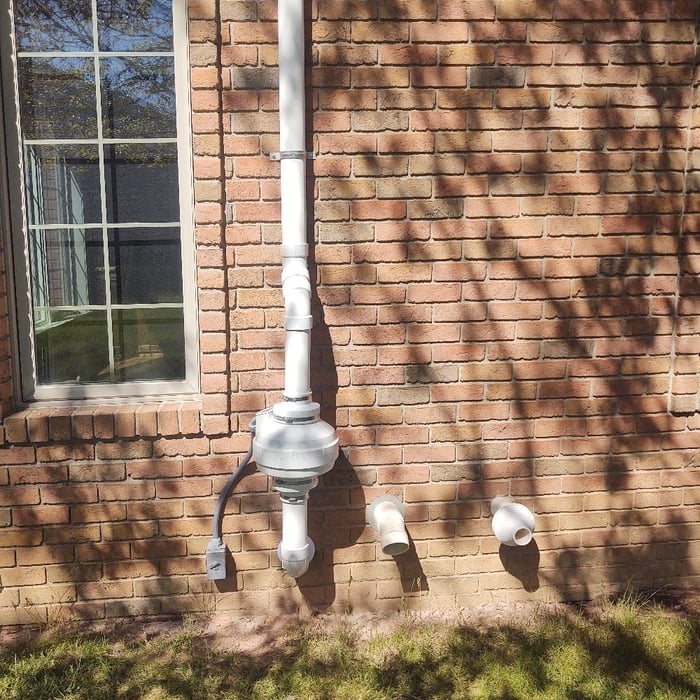
If your home has a sump pit, you can integrate it with a radon mitigation system. You can accomplish this by sealing the pump cover with an airtight lid that accommodates radon vent pipes and sump pump hoses. This allows the vent pipe to redirect the radon gas outside of your home.

The average radon mitigation system uses about 876 kWh of electricity per year, although the exact amount of electricity used will vary depending on the size of the radon fan. Once the system is installed, the annual increase to your energy bill could range from $30 to $300 per year, again depending on the size of the fan.

Your radon mitigation system may be loud because it’s time to replace it. Any sounds are usually from the inline fan that helps create the vacuum and resulting airflow. If you hear a new, loud mechanical or humming noise from your radon fan, it might be time to replace it. Most fans used in radon mitigation systems last up to 10 years, but may need to be replaced sooner.

Abatement includes sealing entry points and venting with systems that reduce radon levels below recommended EPA limits. It is handled by certified professionals.

The soil beneath your house is most likely what’s causing an increased level of radon. This is because soil holds radioactivity for a long time and it’s also what most buildings are built on. Another common source of radon is water from a source that hasn’t been through periodic radon tests, such as well water. Over time, the radon from the soil can inhabit other parts of your house like the foundation or plumbing.

The West Milton, OH homeowners’ guide to radon detection and reduction services

From average costs to expert advice, get all the answers you need to get your job done.