




Top-rated radon detection and reduction specialists.

Get matched with top radon detection and reduction specialists in Beavercreek, OH

Enter your zip and get matched with up to 5 pros

Need a pro for your radon detection and reduction project in Beavercreek, OH?

Select your specific project to find the pro for you.

Find Radon detection and reduction specialists in Beavercreek

Avatar for Buckeye Elite Property Services
Buckeye Elite Property Services
5.0(
9
)
Radon Gas - AbatementRadon Gas - Testing

Serving Beavercreek, OH and surrounding areas

Approved

In business since 2015

Free estimates

Emergency services offered

"Jeff installed our radon system in a very timely manner and coordinated with real estate agents to get system installed before our closing. He answers emails and texts right away. I would not hesitate to use Buckeye Elite-highly recommend."
Additional Photos
Additional Photos
Additional Photos
Additional Photos
Additional Photos

+10

1 neighbors recently requested a quote
Recommended by100%of homeowners
Avatar for Ohio Certified Inspections
Ohio Certified Inspections
4.9(
46
)
Radon Gas - Testing

Serving Beavercreek, OH and surrounding areas

Approved

In business since 2000

Free estimates

Emergency services offered

"The home inspection guy did a great job inspecting the house we was looking at. Was up front about the problems he found good or bad. Prompt on getting the results back to us."
page 1
page 2
page 39
page 40
page 41

+39

Response time10 mins
16 neighbors recently requested a quote
Recommended by86%of homeowners
Avatar for Simply Radon, LLC
Simply Radon, LLC
4.8(
11
)
Radon Gas - AbatementRadon Gas - Testing

Serving Beavercreek, OH and surrounding areas

In business since 2008

Free estimates

Credit card accepted

"Simply Radon was great. They were very responsive, professional and friendly. I bought a radon detector to test our basement and got readings well over 4 pCi/L. After Simply Radon installed a mitigation system it dropped to below 1 pCi/L. I strongly recommend them for anyone considering radon mitigation."
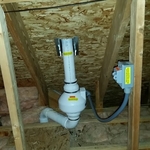
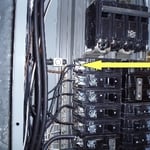
Inside
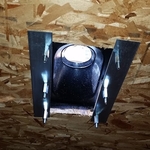
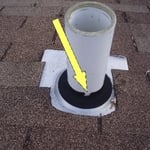
Roof top
Water  tight seal for roof
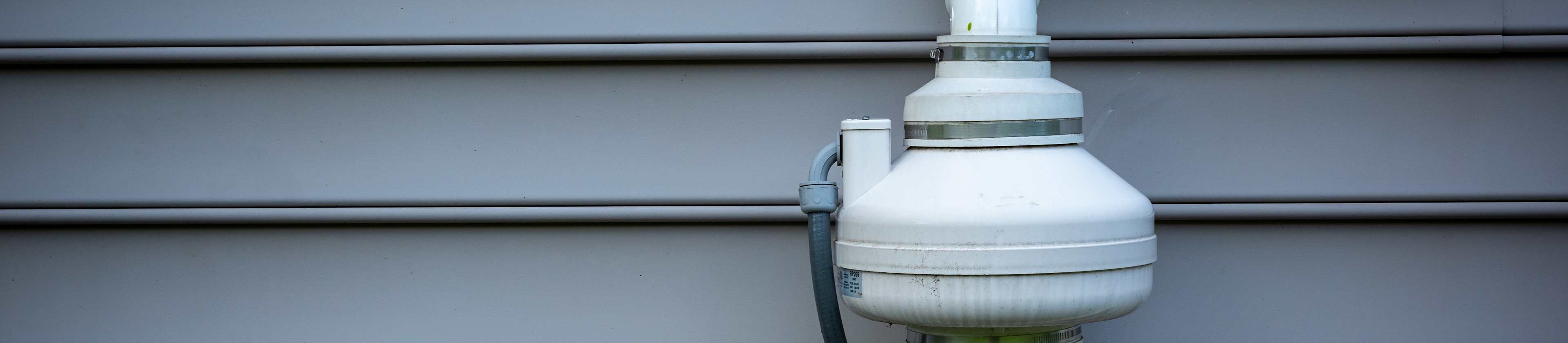
Outside
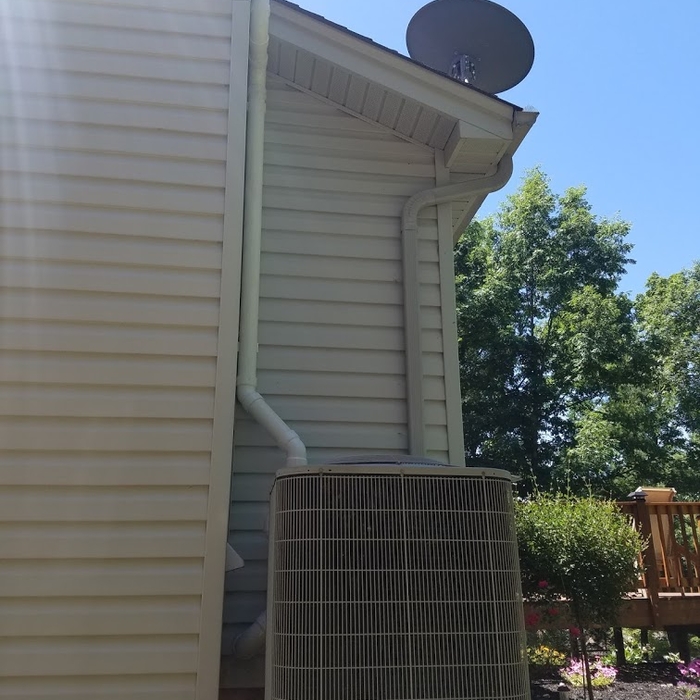
Outside

+11

Response time1 day
Recommended by100%of homeowners
Avatar for Security First Home Inspections & Remediation
Security First Home Inspections & Remediation
4.8(
9
)
Radon Gas - AbatementRadon Gas - Testing

Serving Beavercreek, OH and surrounding areas

Free estimates

Credit card accepted

"Scott was very professional and timely! He got our inspection done as soon as we needed it and we had a report in hand that day. He was very meticulous and even pointed out things that mandatory as far as the actual home inspection goes. The price couldn't have been better and for no extra charge he was able to tell us if there were and pest problems. He found some mold in our attic as well and we will be hiring him to remediate it because he did such an awesome job with our inspection!"
Additional Photos
Additional Photos
Additional Photos
Additional Photos
Additional Photos

+2

Recommended by100%of homeowners
Radon Detection and Reduction questions, answered by experts

You'll need to test your home for radon after installing the mitigation system, then again every two years. If radon remains elevated, contact a licensed radon professional, either the contractor who installed the system or a different one, and have them evaluate the system. They may need to make some changes to improve its effectiveness and performance.

The lifespan of a radon mitigation system depends on the type of system and its maintenance. With proper care, a system can last for many decades. Passive systems tend to last longer as they have fewer components that require replacement. Active systems, which have more moving parts like fans, generally have a shorter lifespan. For instance, water filtration devices and active pressurization systems require more frequent maintenance. While the system as a whole is durable, the radon fan in an active system typically has a lifespan of 5 to 10 years and will need to be replaced. As long as the fan is working, the mitigation system should function correctly.

The natural breakdown of uranium in soil, rock, and water can cause radon to appear in a home. The gas seeps into homes through cracks in foundations, walls, or floors, as well as through gaps around pipes or construction joints. Radon levels are influenced by soil composition, building materials, and ventilation. Poorly sealed or airtight homes can trap radon, allowing it to accumulate.

Keeping radon from getting into your home is much better than having to get rid of it once it's already indoors. While there may not be a way to fully prevent radon from getting into your home, there are things you can do to reduce the gas's ability to enter. 

Sealing foundation cracks and openings can help keep the gas from seeping inside. Improving air flow, such as by opening windows, can also be helpful. If you're building your home from scratch, talk to your contractor about using radon-resistant construction to keep the gas out.

Mitigation can take several days depending on home setup, equipment accessibility, and achieving effective diffusion system sealed efficiency.

The Beavercreek, OH homeowners’ guide to radon detection and reduction services

From average costs to expert advice, get all the answers you need to get your job done.