

Top-rated radon detection and reduction specialists.

Get matched with top radon detection and reduction specialists in Piqua, OH

Enter your zip and get matched with up to 5 pros

Need a pro for your radon detection and reduction project in Piqua, OH?

Select your specific project to find the pro for you.

Find Radon detection and reduction specialists in Piqua

Avatar for Buckeye Elite Property Services
Buckeye Elite Property Services
5.0(
9
)
Radon Gas - AbatementRadon Gas - Testing

Serving Piqua, OH and surrounding areas

Approved

In business since 2015

Free estimates

Emergency services offered

"Jeff installed our radon system in a very timely manner and coordinated with real estate agents to get system installed before our closing. He answers emails and texts right away. I would not hesitate to use Buckeye Elite-highly recommend."
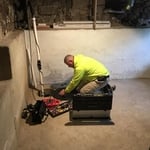
Additional Photos
Additional Photos
Additional Photos
Additional Photos
Additional Photos

+10

1 neighbors recently requested a quote
Recommended by100%of homeowners

Avatar for The Ohio Home Inspections Co
The Ohio Home Inspections Co
4.0(
7
)
Radon Gas - AbatementRadon Gas - Testing

Serving Piqua, OH and surrounding areas

In business since 2003

Free estimates

Credit card accepted

"I was very pleased with Kevin Leonard.  He was very thorough and I was really impressed that he was over detailed versus under detailed.  I appreciated having all that extra information that I wouldn't have expected.  I got him off Angie's List.  His price was very fair."
Additional Photos
Additional Photos
Recommended by71%of homeowners
Radon Detection and Reduction questions, answered by experts

No level of radon is technically safe, but since it is present everywhere, complete avoidance is impossible. The average radon level in homes across the United States is 1.3 picocuries per liter (pCi/L). The Environmental Protection Agency (EPA) recommends taking preventative measures if your home's radon levels are between 2 and 4 pCi/L or higher.

Ideally, no one will live in a house with elevated radon levels, as prolonged exposure increases the risk of serious health issues like lung cancer. However, homes with radon can be made safe through mitigation systems, such as active soil depressurization. Testing for radon regularly and addressing high levels helps ensure a safe living environment.

You'll need to test your home for radon after installing the mitigation system, then again every two years. If radon remains elevated, contact a licensed radon professional, either the contractor who installed the system or a different one, and have them evaluate the system. They may need to make some changes to improve its effectiveness and performance.

The natural breakdown of uranium in soil, rock, and water can cause radon to appear in a home. The gas seeps into homes through cracks in foundations, walls, or floors, as well as through gaps around pipes or construction joints. Radon levels are influenced by soil composition, building materials, and ventilation. Poorly sealed or airtight homes can trap radon, allowing it to accumulate.

Installing a mitigation system reduces radon levels, which can cause lung cancer, providing peace of mind and long-term health benefits. It can also increase your home’s value, as many buyers prefer properties with radon safety measures in place. The investment is relatively low compared to the potential health risks associated with prolonged radon exposure.

The Piqua, OH homeowners’ guide to radon detection and reduction services

From average costs to expert advice, get all the answers you need to get your job done.