







Top-rated radon detection and reduction specialists.

Best radon detection and reduction specialists near Trotwood, OH

Enter your zip and get matched with up to 5 pros

Need a pro for your radon detection and reduction project in Trotwood, OH?

Select your specific project to find the pro for you.

Top-Rated Radon detection and reduction specialists in Trotwood - Updated Nov 2026

Avatar for Ohio Certified Inspections
Ohio Certified Inspections
4.9(
46
)
Radon Gas - Testing

Serving Trotwood, OH and surrounding areas

Approved

In business since 2000

Free estimates

Emergency services offered

"Craig was very professional. He followed through on everything he promised and even helped save us money on something we ask him to do. I felt like he was really in the business to help, not just make money. I found his approach refreshing and would recommend him to anyone."
page 1
page 2
page 39
page 40
page 41

+39

Response time10 mins
13 neighbors recently requested a quote
Recommended by86%of homeowners
Radon Detection and Reduction FAQs, answered by experts

No, radon mitigation systems do not decrease home value or make a home harder to sell. In areas where homes experience similar radon exposure risks, a radon mitigation system is viewed as an improvement. Potential homebuyers often opt to buy a home with a radon mitigation system already installed to reduce the risk of cancer for their families.

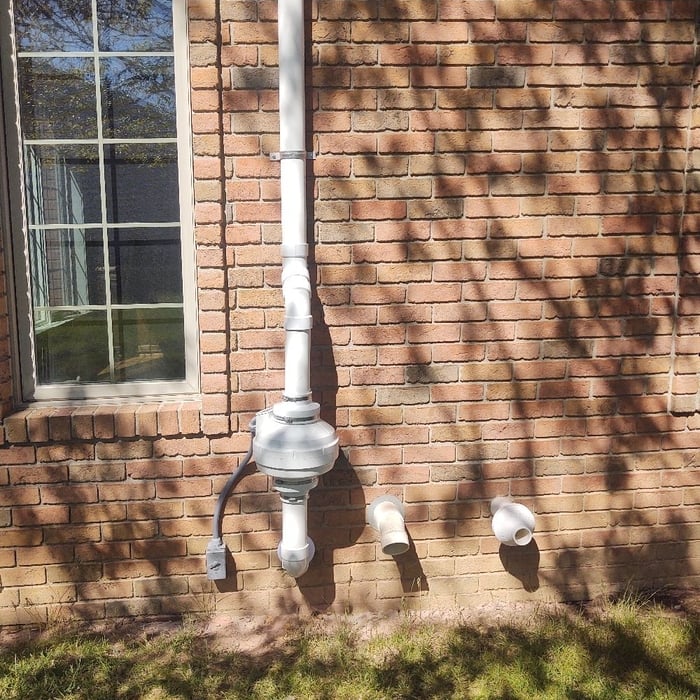
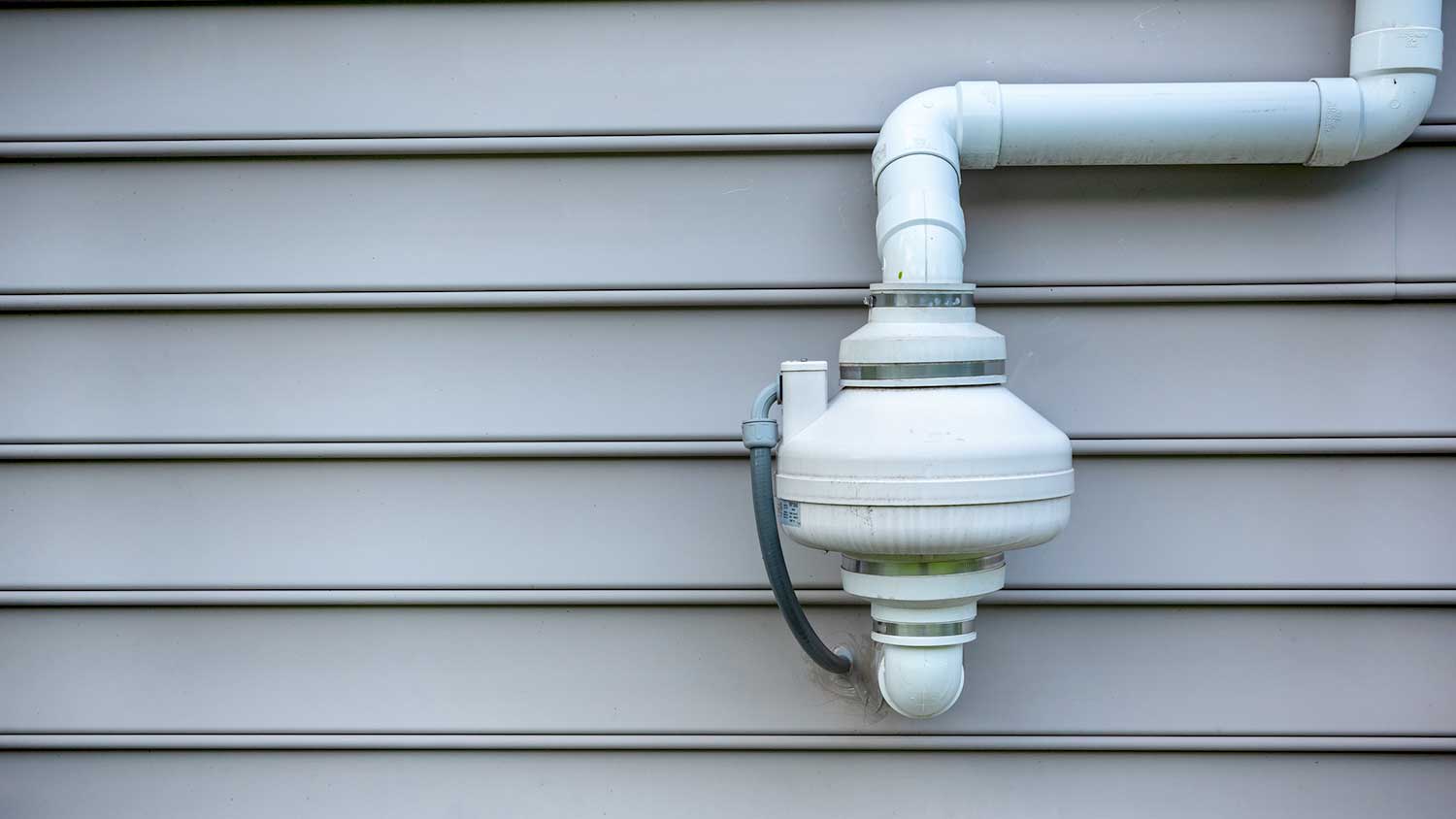
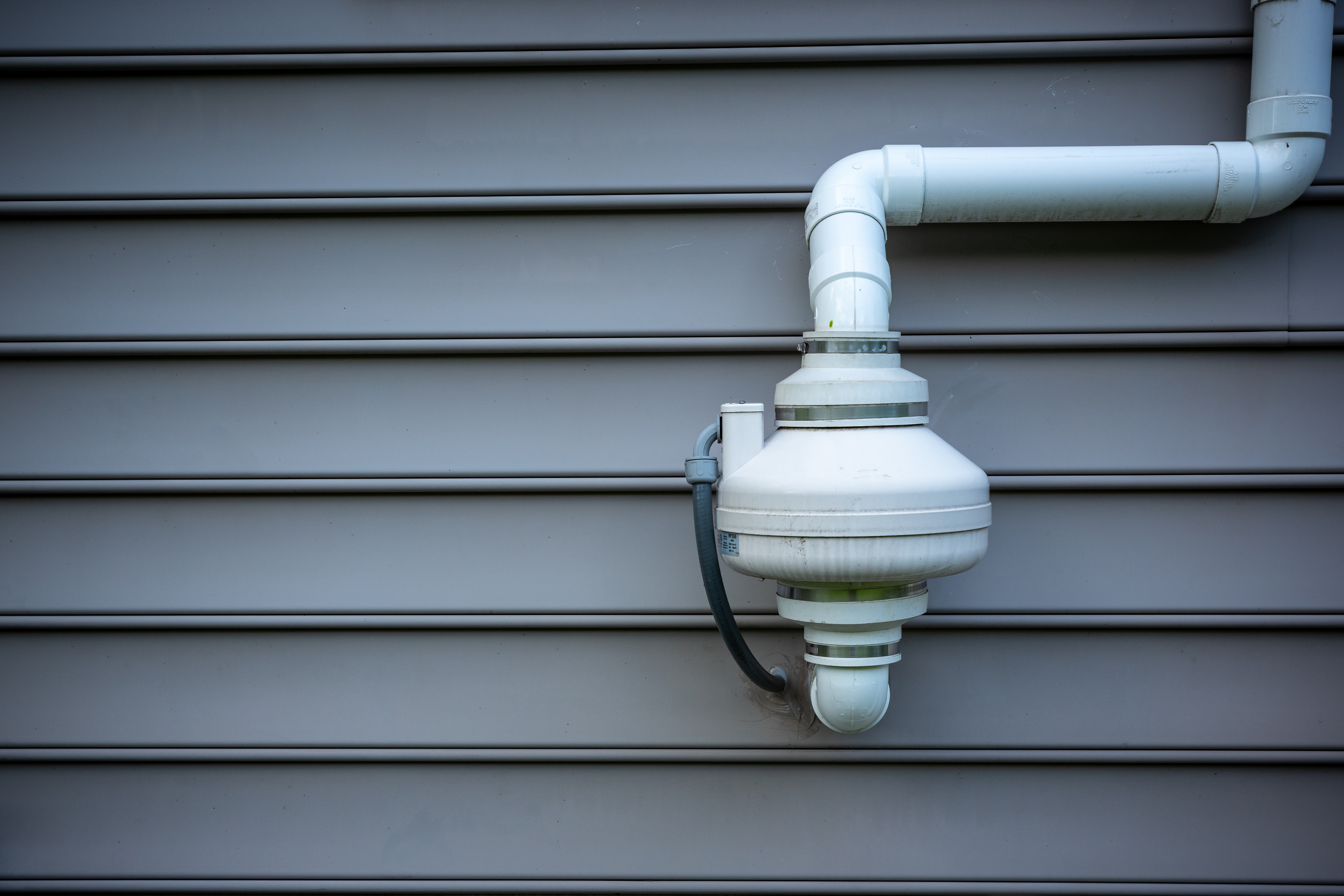
The fan that pulls the radon out of the air needs to run continuously, so you may see an increase in your electric bill once you install the mitigation system. Additionally, you may see an increase in your heating or cooling bills, as the fan can cause some loss of hot or cool air.

Mitigation reduces radon levels, protecting your health and complying with safety standards.

The lifespan of a radon mitigation system depends on the type of system and its maintenance. With proper care, a system can last for many decades. Passive systems tend to last longer as they have fewer components that require replacement. Active systems, which have more moving parts like fans, generally have a shorter lifespan. For instance, water filtration devices and active pressurization systems require more frequent maintenance. While the system as a whole is durable, the radon fan in an active system typically has a lifespan of 5 to 10 years and will need to be replaced. As long as the fan is working, the mitigation system should function correctly.

The average radon mitigation system uses about 876 kWh of electricity per year, although the exact amount of electricity used will vary depending on the size of the radon fan. Once the system is installed, the annual increase to your energy bill could range from $30 to $300 per year, again depending on the size of the fan.

The Trotwood, OH homeowners’ guide to radon detection and reduction services

From average costs to expert advice, get all the answers you need to get your job done.