




Top-rated arborists.

Get matched with top arborists in Plain City, OH

Enter your zip and get matched with up to 5 pros

Need a pro for your arboricultural service project in Plain City, OH?

Select your specific project to find the pro for you.

TRUSTED BY PLAIN CITY, OH HOMEOWNERS

  • Average homeowner rating star icon4.6
    Average homeowner rating
  • Verified reviews icon2.5k+
    Verified arboricultural services reviews

Find Arborists in Plain City

Avatar for Robinsons Quality Tree Care LLC
Robinsons Quality Tree Care LLC
5.0(
5
)
Tree RemovalTree TrimmingTree Removal - For Business+3 more

Serving Plain City, OH and surrounding areas

Approved

Super Service Award Winner

In business since 2021

Free estimates

Emergency services offered

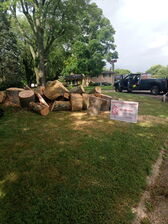
"I had 4 trees cut. A lot of work the trees are 40 feet tall. They got rained out the 1st day, then it took 2 days to finish the job. They cleaned up everything afterwards and even came back after the job was done to make sure we didn't need anything else. The price was a great price and the people were terrific."
Response time3 hrs
Response rate96%
33 neighbors recently requested a quote
...
Showing 1-10 of 209
Arborists questions, answered by experts

Tree roots can take weeks to years to die, depending on the method you use. Chemical herbicides take the least amount of time—typically between three and four weeks—while homemade methods, like covering an old stump with leaves, could take between seven and eight years. If you’re unsure which method to use or how quickly you need to act, consulting with a pro is always a good idea.

The best tool to cut trees is a chain saw. You can adjust your chain saw to the correct size based on the size of the branches, offering you the fastest and cleanest cut for medium- to large-sized trees. Depending on the type of chainsaw you use, you can cut through larger trees than you would with a more manual tool like an ax.

You can shape a cherry tree by trimming vertical branches, dense branches, and intersecting branches. Your personal aesthetic comes into play, as well. If you want to simply thin and shape the tree, you can get away with trimming the aforementioned parts of your cherry tree. If you want to shorten branches, however, consider thinning cuts, which alter the length of the branches while encouraging light penetration, new buds and shoots, and a structurally-sound shape.

While trees can grow in the curb strip between the sidewalk and the street, this placement often poses the problem of interfering with overhead power lines. It’s best to consult your local utility provider and tree planting service before transplanting a tree that might grow into power lines. Also, you should never work within 20 feet of a live power line to avoid the risk of electric shock. Tree branches should never touch nearby power lines, so it’s essential to ensure your tree isn’t in danger of growing too close to them.

The ideal depth of a tree notch depends on the tree, but it should usually be between 20% and 25% of the tree’s depth. However, if the tree is leaning towards the direction of the notch, it can be cut more shallowly—at as little as 10% of the depth. When the tree is leaning away from the direction it needs to be felled, you can cut deeper, closer to 30%.

The Plain City, OH homeowners’ guide to arboricultural services

From average costs to expert advice, get all the answers you need to get your job done.