




Top-rated radon detection and reduction specialists.

Get matched with top radon detection and reduction specialists in Cortland, OH

Enter your zip and get matched with up to 5 pros

Need a pro for your radon detection and reduction project in Cortland, OH?

Select your specific project to find the pro for you.

Find Radon detection and reduction specialists in Cortland

Avatar for Ohio Radon Testing and Mitigation Company
Ohio Radon Testing and Mitigation Company
5.0(
6
)

Serving Cortland, OH and surrounding areas

In business since 2020

Free estimates

Emergency services offered

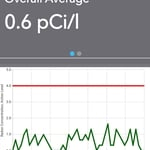
"They brought my number down substantially. I had a really good experience about them. The company tells you exactly what's going on and supported the fact with documents. The workers were personable and work fast. I would recommend them to everybody and I'll definitely use them again"
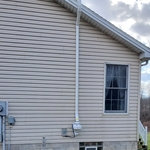
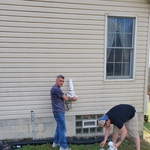
Mitigation Install
Mitigation Install
Mitigation Install
Mitigation Install
Mitigation Install

+1

Recommended by100%of homeowners
Erock Property Inspections LLC
New to Angi

Serving Cortland, OH and surrounding areas

In business since 2024

Free estimates

Credit card accepted

We take great pride in our experience, expertise, quality, and customer service that we provide to meet the consumers' needs. It is our mission to provide excellent workmanship, and complete customer satisfaction from start to completion of a project. In order to understand the needs, and expectations of our customers, we take great care to work, and communicate with every customer in a professional manner. Our reputation is based on service, safety, and quality, regardless of how large or small the job.

Radon Detection and Reduction questions, answered by experts

Mitigation reduces radon levels, protecting your health and complying with safety standards.

The natural breakdown of uranium in soil, rock, and water can cause radon to appear in a home. The gas seeps into homes through cracks in foundations, walls, or floors, as well as through gaps around pipes or construction joints. Radon levels are influenced by soil composition, building materials, and ventilation. Poorly sealed or airtight homes can trap radon, allowing it to accumulate.

The soil beneath your house is most likely what’s causing an increased level of radon. This is because soil holds radioactivity for a long time and it’s also what most buildings are built on. Another common source of radon is water from a source that hasn’t been through periodic radon tests, such as well water. Over time, the radon from the soil can inhabit other parts of your house like the foundation or plumbing.

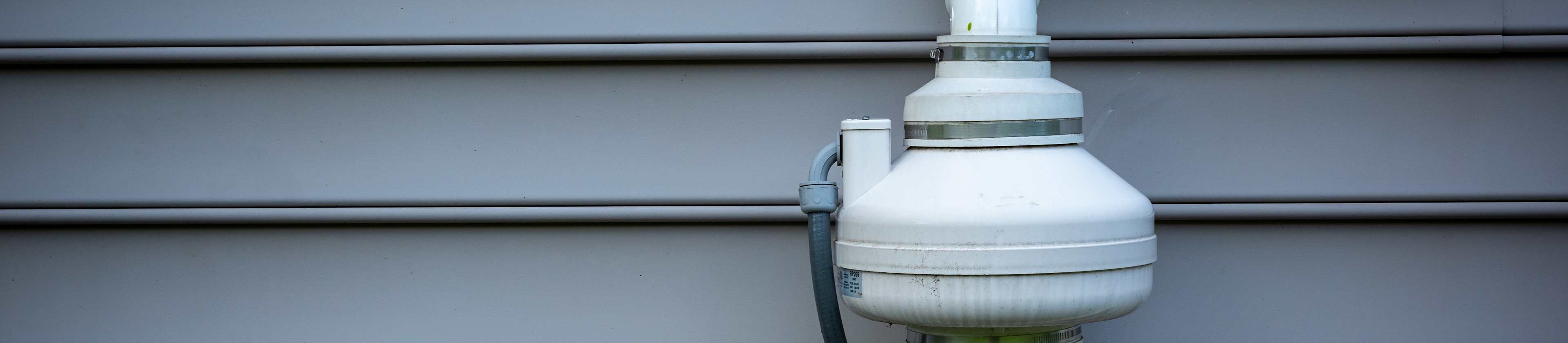
The lifespan of a radon mitigation system depends on the type of system and its maintenance. With proper care, a system can last for many decades. Passive systems tend to last longer as they have fewer components that require replacement. Active systems, which have more moving parts like fans, generally have a shorter lifespan. For instance, water filtration devices and active pressurization systems require more frequent maintenance. While the system as a whole is durable, the radon fan in an active system typically has a lifespan of 5 to 10 years and will need to be replaced. As long as the fan is working, the mitigation system should function correctly.

No level of radon is technically safe, but since it is present everywhere, complete avoidance is impossible. The average radon level in homes across the United States is 1.3 picocuries per liter (pCi/L). The Environmental Protection Agency (EPA) recommends taking preventative measures if your home's radon levels are between 2 and 4 pCi/L or higher.

The Cortland, OH homeowners’ guide to radon detection and reduction services

From average costs to expert advice, get all the answers you need to get your job done.