

Top-rated radon detection and reduction specialists.

Best radon detection and reduction specialists near Greenville, PA

Enter your zip and get matched with up to 5 pros

Need a pro for your radon detection and reduction project in Greenville, PA?

Select your specific project to find the pro for you.

Top-Rated Radon detection and reduction specialists in Greenville - Updated Nov 2026

Avatar for Ohio Radon Testing and Mitigation Company
Ohio Radon Testing and Mitigation Company
5.0(
6
)
Radon Gas - AbatementRadon Gas - Testing

Serving Greenville, PA and surrounding areas

In business since 2020

Free estimates

Emergency services offered

"These guys are FANTASTIC! Extremely knowledgeable and taught us so much about the dangers of high radon levels in your home... I'm so glad we had them test for it - our levels were dangerously high and we had no idea! Very professional, informative, and always on time. And they were able to accommodate my crazy schedule! I'd highly recommend the Ohio Radon and Mitigation Company to anyone for peace of mind knowing that your family is safe from this silent danger. Thanks guys!"
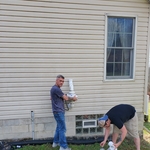
Mitigation Install
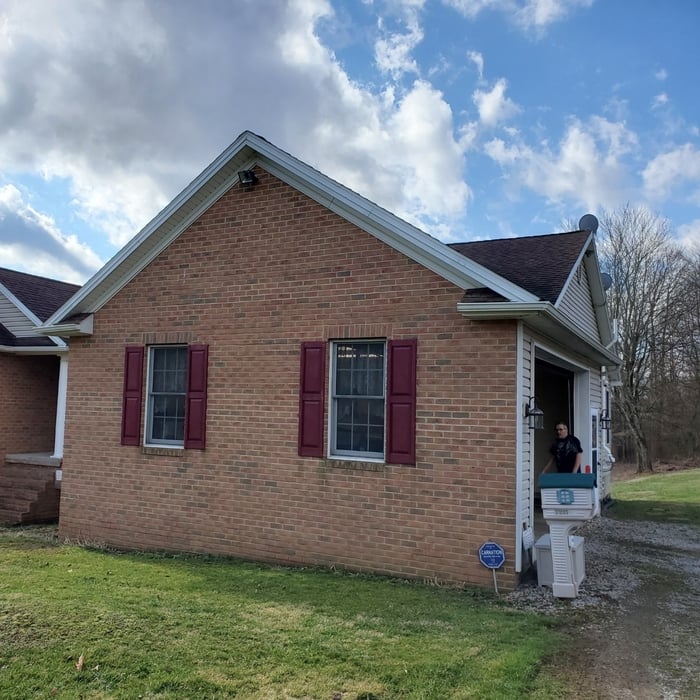
Mitigation Install
Mitigation Install
Mitigation Install
Mitigation Install

+1

Recommended by100%of homeowners
Radon Detection and Reduction FAQs, answered by experts

You can vent radon out of your house sometimes by simply opening a window, but it won’t remove the source, and will likely rise above recommended levels quickly. A professional will be needed to assess your home, and determine the best strategy for radon removal. Active radon sump pumps and soil depressurization systems are often used to forcefully vent the radon from your home.

The lifespan of a radon mitigation system depends on the type of system and its maintenance. With proper care, a system can last for many decades. Passive systems tend to last longer as they have fewer components that require replacement. Active systems, which have more moving parts like fans, generally have a shorter lifespan. For instance, water filtration devices and active pressurization systems require more frequent maintenance. While the system as a whole is durable, the radon fan in an active system typically has a lifespan of 5 to 10 years and will need to be replaced. As long as the fan is working, the mitigation system should function correctly.

Keeping radon from getting into your home is much better than having to get rid of it once it's already indoors. While there may not be a way to fully prevent radon from getting into your home, there are things you can do to reduce the gas's ability to enter. 

Sealing foundation cracks and openings can help keep the gas from seeping inside. Improving air flow, such as by opening windows, can also be helpful. If you're building your home from scratch, talk to your contractor about using radon-resistant construction to keep the gas out.

No level of radon is technically safe, but since it is present everywhere, complete avoidance is impossible. The average radon level in homes across the United States is 1.3 picocuries per liter (pCi/L). The Environmental Protection Agency (EPA) recommends taking preventative measures if your home's radon levels are between 2 and 4 pCi/L or higher.

Radon is the number one non-smoking cause of lung cancer in the United States, but it can cause some other concerning side effects in the meantime. If you have a raspy voice, chest pains, trouble breathing, difficulty swallowing, or any of the above, don’t hesitate to perform radon testing and install a mitigation system as soon as possible.

The Greenville, PA homeowners’ guide to radon detection and reduction services

From average costs to expert advice, get all the answers you need to get your job done.