


Top-rated radon detection and reduction specialists.

Get matched with top radon detection and reduction specialists in Sharon, PA

Enter your zip and get matched with up to 5 pros

Need a pro for your radon detection and reduction project in Sharon, PA?

Select your specific project to find the pro for you.

Find Radon detection and reduction specialists in Sharon

Avatar for Ohio Radon Testing and Mitigation Company
Ohio Radon Testing and Mitigation Company
5.0(
6
)
Radon Gas - AbatementRadon Gas - Testing

Serving Sharon, PA and surrounding areas

In business since 2020

Free estimates

Emergency services offered

"These guys are FANTASTIC! Extremely knowledgeable and taught us so much about the dangers of high radon levels in your home... I'm so glad we had them test for it - our levels were dangerously high and we had no idea! Very professional, informative, and always on time. And they were able to accommodate my crazy schedule! I'd highly recommend the Ohio Radon and Mitigation Company to anyone for peace of mind knowing that your family is safe from this silent danger. Thanks guys!"
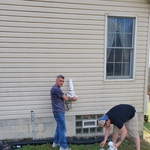
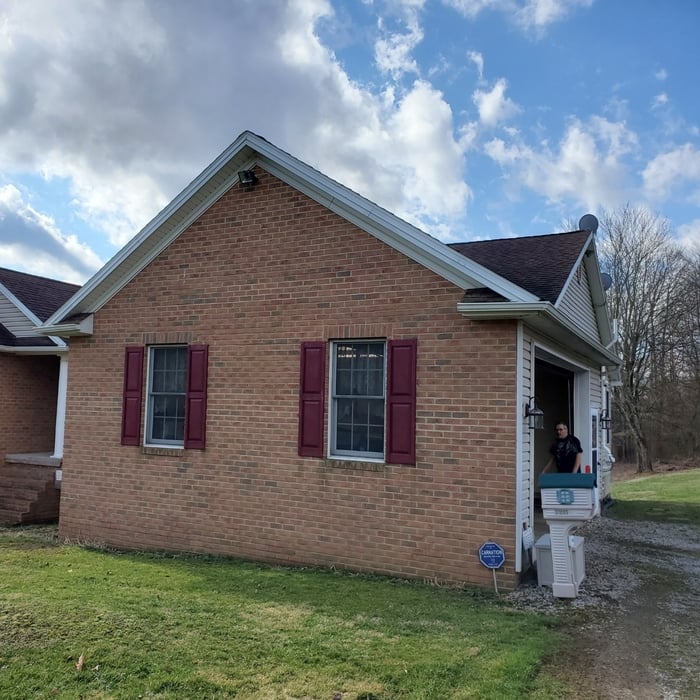
Mitigation Install
Mitigation Install
Mitigation Install
Mitigation Install
Mitigation Install

+1

Recommended by100%of homeowners
Radon Detection and Reduction questions, answered by experts

Your radon mitigation system may be loud because it’s time to replace it. Any sounds are usually from the inline fan that helps create the vacuum and resulting airflow. If you hear a new, loud mechanical or humming noise from your radon fan, it might be time to replace it. Most fans used in radon mitigation systems last up to 10 years, but may need to be replaced sooner.

The fan that pulls the radon out of the air needs to run continuously, so you may see an increase in your electric bill once you install the mitigation system. Additionally, you may see an increase in your heating or cooling bills, as the fan can cause some loss of hot or cool air.

Your radon fan needs to operate 24/7 to be effective. The only time the fan isn't operating is during its replacement. Radon levels in the home can increase within hours if the fan stops working or something obstructs the stack vent. Fortunately, radon systems require no downtime maintenance between fan changes.

While DIY testing is possible, abatement generally requires professional installation to ensure efficacy and meet safety standards.

The lifespan of a radon mitigation system depends on the type of system and its maintenance. With proper care, a system can last for many decades. Passive systems tend to last longer as they have fewer components that require replacement. Active systems, which have more moving parts like fans, generally have a shorter lifespan. For instance, water filtration devices and active pressurization systems require more frequent maintenance. While the system as a whole is durable, the radon fan in an active system typically has a lifespan of 5 to 10 years and will need to be replaced. As long as the fan is working, the mitigation system should function correctly.

The Sharon, PA homeowners’ guide to radon detection and reduction services

From average costs to expert advice, get all the answers you need to get your job done.