





Top-rated radon detection and reduction specialists.

Get matched with top radon detection and reduction specialists in North Bloomfield, OH

Enter your zip and get matched with up to 5 pros

Need a pro for your radon detection and reduction project in North Bloomfield, OH?

Select your specific project to find the pro for you.

Find Radon detection and reduction specialists in North Bloomfield

Avatar for Ohio Radon Testing and Mitigation Company
Ohio Radon Testing and Mitigation Company
5.0(
6
)
Radon Gas - AbatementRadon Gas - Testing

Serving North Bloomfield, OH and surrounding areas

In business since 2020

Free estimates

Emergency services offered

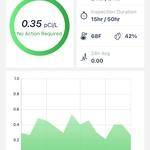
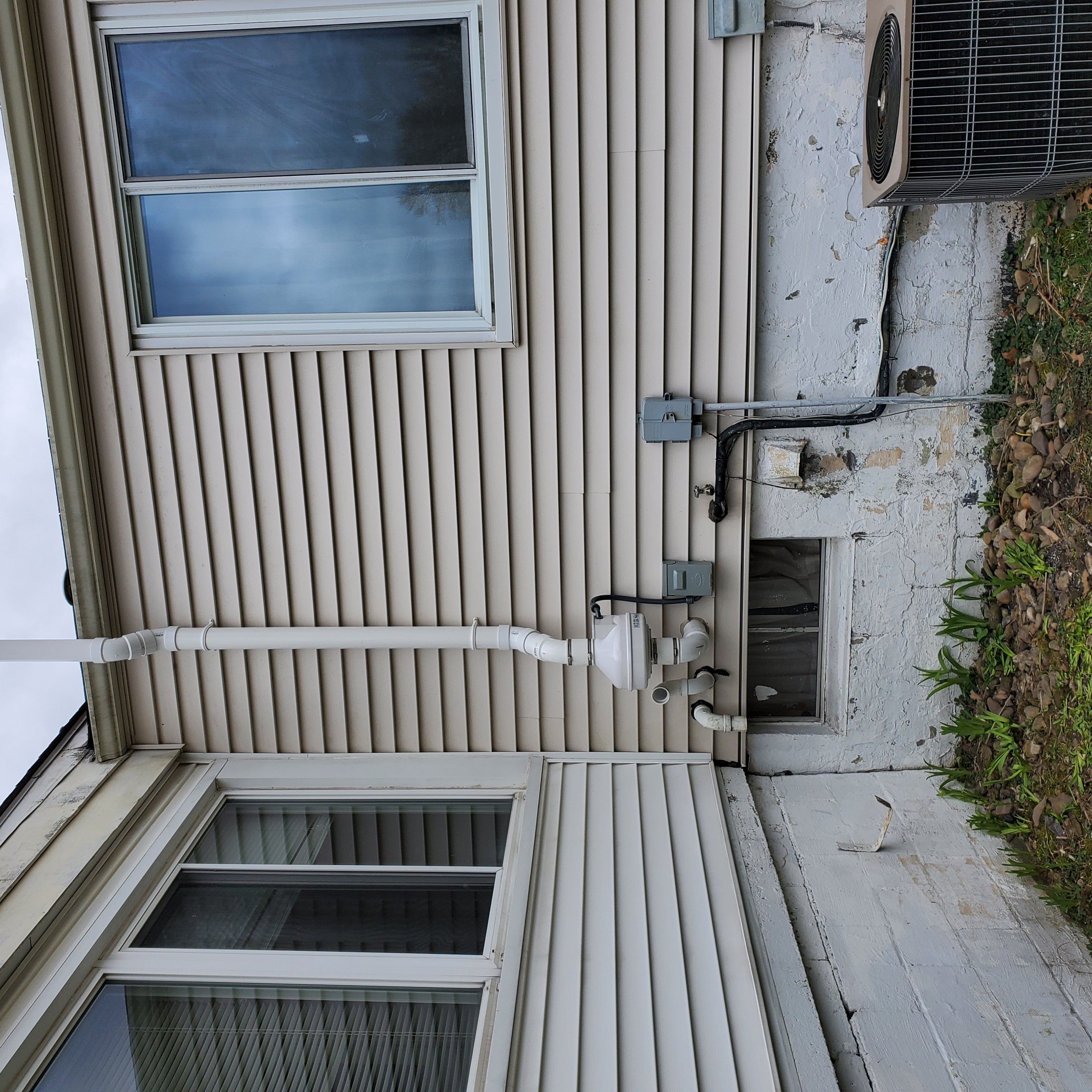
"They brought my number down substantially. I had a really good experience about them. The company tells you exactly what's going on and supported the fact with documents. The workers were personable and work fast. I would recommend them to everybody and I'll definitely use them again"
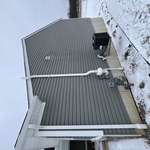
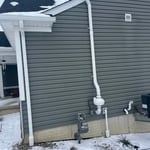
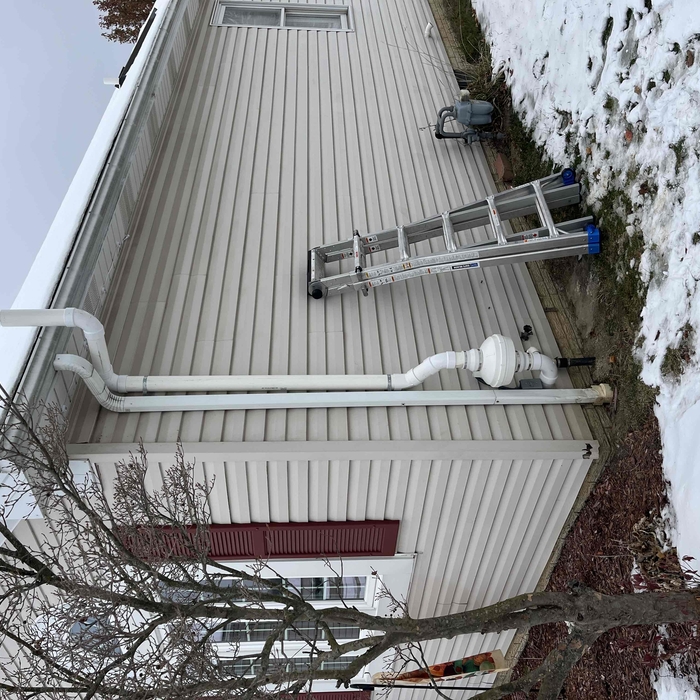
Mitigation Install
Mitigation Install
Mitigation Install
Mitigation Install
Mitigation Install

+1

Recommended by100%of homeowners
Erock Property Inspections LLC
New to Angi
Radon Gas - Testing

Serving North Bloomfield, OH and surrounding areas

In business since 2024

Free estimates

Credit card accepted

We take great pride in our experience, expertise, quality, and customer service that we provide to meet the consumers' needs. It is our mission to provide excellent workmanship, and complete customer satisfaction from start to completion of a project. In order to understand the needs, and expectations of our customers, we take great care to work, and communicate with every customer in a professional manner. Our reputation is based on service, safety, and quality, regardless of how large or small the job.

Radon Detection and Reduction questions, answered by experts

Your radon fan needs to operate 24/7 to be effective. The only time the fan isn't operating is during its replacement. Radon levels in the home can increase within hours if the fan stops working or something obstructs the stack vent. Fortunately, radon systems require no downtime maintenance between fan changes.

The soil beneath your house is most likely what’s causing an increased level of radon. This is because soil holds radioactivity for a long time and it’s also what most buildings are built on. Another common source of radon is water from a source that hasn’t been through periodic radon tests, such as well water. Over time, the radon from the soil can inhabit other parts of your house like the foundation or plumbing.

Keeping radon from getting into your home is much better than having to get rid of it once it's already indoors. While there may not be a way to fully prevent radon from getting into your home, there are things you can do to reduce the gas's ability to enter. 

Sealing foundation cracks and openings can help keep the gas from seeping inside. Improving air flow, such as by opening windows, can also be helpful. If you're building your home from scratch, talk to your contractor about using radon-resistant construction to keep the gas out.

A homeowner can install a radon mitigation system on their own. But it’s a challenging DIY that requires a lot of knowledge about radon mitigation as well as familiarity with local regulations. You do not want to risk an improper installation that leaves the system unable to detect radon or gives it a shortened life span. Relying on a professional is the surest way to guarantee a successful installation.

If high radon levels are detected, steps include sealing entry points, installing a mitigation system, and retesting the air regularly to ensure reduced levels.

The North Bloomfield, OH homeowners’ guide to radon detection and reduction services

From average costs to expert advice, get all the answers you need to get your job done.