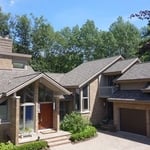





Top-rated roofers.

Get matched with top roofers in Cortland, OH

Enter your zip and get matched with up to 5 pros

Need a pro for your roofing project in Cortland, OH?

Select your specific project to find the pro for you.

TRUSTED BY CORTLAND, OH HOMEOWNERS

  • Average homeowner rating star icon4.5
    Average homeowner rating
  • Verified reviews icon301
    Verified roofing services reviews

Find Roofers in Cortland

...
Showing 1-10 of 364
Roofing questions, answered by experts

A chimney cap costs about $300 on average to install, with prices ranging from $75 to $1,000. The final cost depends on several factors, including the professional you hire, the accessibility of your chimney, the cap's material and size, whether any repairs are needed, and if it requires custom fabrication. Chimney caps are usually made from galvanized steel, stainless steel, or copper. Copper caps are the most expensive, followed by stainless steel and then galvanized steel. Excluding labor, average material costs are around $100 for galvanized steel, $250 for stainless steel, and $600 for copper. You may also face additional costs, such as hiring a chimney sweep to clean the chimney before the cap is installed.

Yes, an underlayment is required for metal roofs, especially when installed over an indoor residential living space. This underlayment acts as a protective barrier between the metal roofing and the roof deck. Common materials include tar, asphalt felt, or woven synthetic polymers. Depending on local building codes, existing shingles in good condition may also suffice. A quality underlayment is crucial as it provides protection against water intrusion, improves energy efficiency through insulation, helps absorb sound, and ultimately extends the lifespan of your roof.

You can secure roof decorations like inflatables and other Christmas decor by tying a rope or attacking bungee cords to your roof clips. Depending on the pitch of your roof, you can use sandbags for extra support. Like with Christmas lights, avoid using staples or duct tape. 

Underlayment is required by building code, so any roof installed without it is technically against code. The underlayment acts as the second layer of defense against water, so installing a roof without underlayment means a much higher risk of roof leaks. You’ll have the best chance of avoiding roof leaks if you install drip edge flashing covered by underlayment, and then install your roofing material over that.

While the terms are often used interchangeably, wood shakes and wood shingles have notable differences, primarily in their manufacturing and appearance. Wood shingles are machine-cut on both sides, resulting in a smooth, thin, and uniform product. In contrast, wood shakes are typically hand-split or sawed on only one side, giving them a more textured, natural, and rustic appearance. Due to these manufacturing differences, shakes are generally thicker, heavier, and less uniform than shingles. They are also more expensive. Homeowners seeking a more rustic aesthetic often choose shakes, while those preferring a more uniform look may opt for shingles. Both are installed in an overlapping pattern to create a durable, weather-resistant roof.
The Cortland, OH homeowners’ guide to roofing services

From average costs to expert advice, get all the answers you need to get your job done.