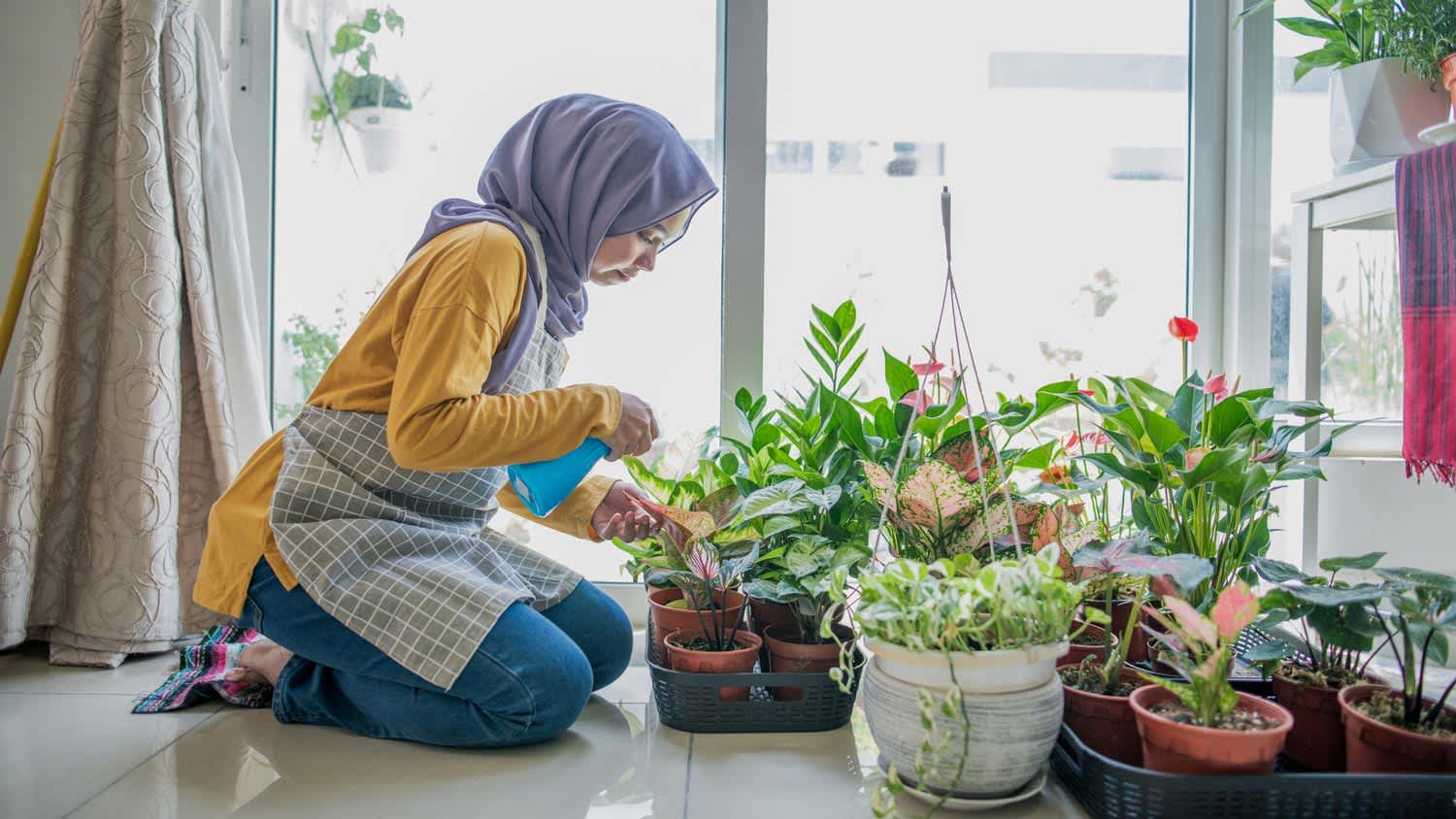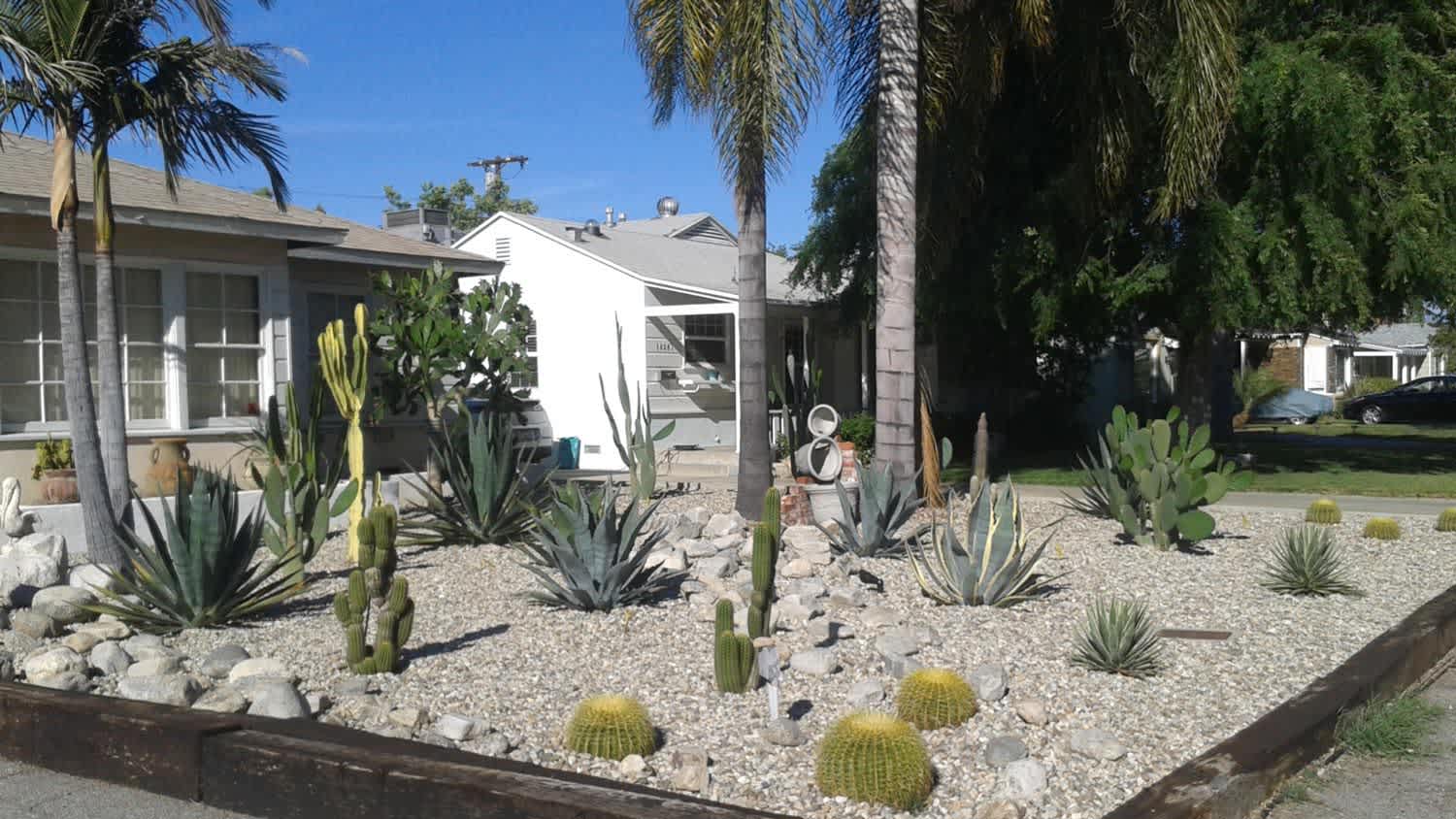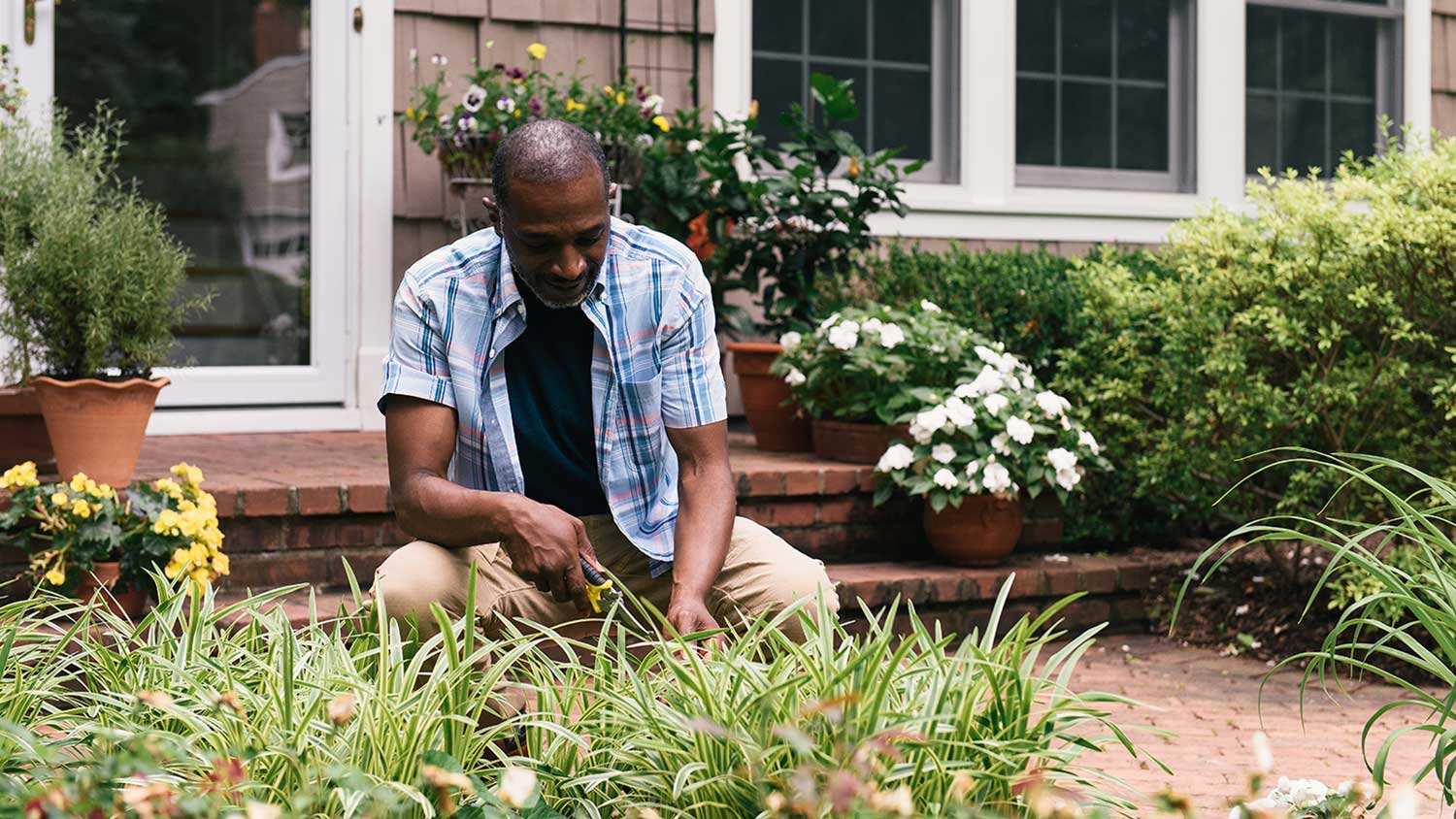

Top-rated plant watering pros.

Get matched with top plant watering pros in Mescalero, NM

Enter your zip and get matched with up to 5 pros

Need a pro for your plant watering project in Mescalero, NM?

Select your specific project to find the pro for you.

TRUSTED BY MESCALERO, NM HOMEOWNERS

  • Average homeowner rating star icon4.8
    Average homeowner rating
  • Verified reviews icon16
    Verified plant watering services reviews

Find Plant watering pros in Mescalero

Showing 1-10 of 35
Plant Watering questions, answered by experts

Plaster walls typically last between 30 and 70 years, but depending on the quality of the materials and the moisture levels in the building, they can last for over 100 years. With expert application and consistent maintenance, plaster can even last for centuries. To extend its lifespan, it is important to have the plaster professionally installed, address any water damage promptly, and repair small cracks as they appear. Regular inspections by a professional can help identify and address concerning cracks before they become significant issues.

There are several benefits to wet-sanding drywall, but the main perk is that it produces far less dust than dry-sanding. As a result, wet-sanding poses fewer health risks and makes less of a mess in your home. Plus, damp sponges are less abrasive than sandpaper, so there’s a smaller chance of scratching or damaging the drywall paper. Wet-sanding also creates a smoother finish than dry-sanding.

While every home has its own unique needs, ceiling drywall installation typically follows a staggered or stepped pattern to enhance structural integrity and reduce the visibility of seams. Starting from one corner, sheets are placed perpendicular to the ceiling joists, with the ends of adjacent sheets meeting along the center of the joist. The next row begins with a half sheet, ensuring joints don't align vertically. This alternating pattern, combined with proper taping and mudding, creates a seamless appearance and strengthens the ceiling structure, minimizing the risk of cracks over time.

Whether you need drywall anchors depends on your specific project, particularly where you are hanging an item. Drywall anchors are not necessary if you can drive a screw directly into a wooden stud behind the wall, as the stud provides sufficient support. However, since studs are not present everywhere in a wall, you will need to use drywall anchors if you are hanging an object in a location without a stud. For very lightweight items, picture hanging strips can also be a suitable alternative.

Although they have similar applications, spackle and joint compound are not the same. Their primary differences lie in their composition, consistency, and ideal use cases.

Spackle is composed of gypsum and binding agents, making it thicker than joint compound. It dries quickly and is easy to sand, which makes it ideal for small wall repair projects like filling nail holes or patching minor damage.

Joint compound, also known as drywall mud, consists of limestone and gypsum. It is primarily used for large-scale projects, such as taping and finishing the seams on newly installed drywall. It tends to shrink more than spackle and can be more difficult to spread.

While both products can be used to fill small depressions and cracks, spackle cannot replace joint compound for taping and mudding new drywall. Conversely, you can often use joint compound for small patching jobs typically done with spackle.

The Mescalero, NM homeowners’ guide to plant watering services

From average costs to expert advice, get all the answers you need to get your job done.