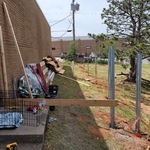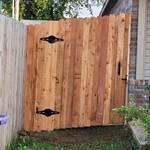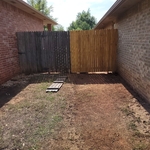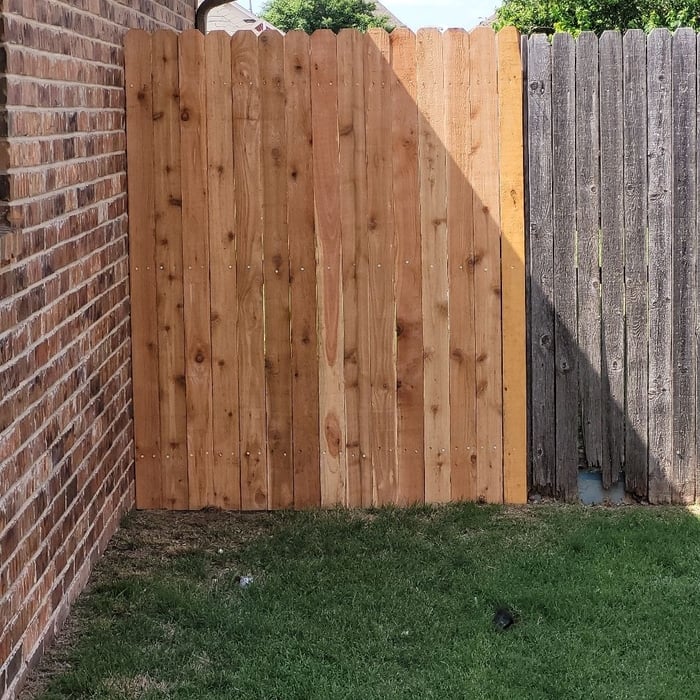





Top-rated fencing pros.

Get matched with top fencing pros in Mescalero, NM

Enter your zip and get matched with up to 5 pros

Need a pro for your fencing service project in Mescalero, NM?

Select your specific project to find the pro for you.

TRUSTED BY MESCALERO, NM HOMEOWNERS

  • Average homeowner rating star icon4.2
    Average homeowner rating
  • Verified reviews icon10
    Verified fencing services reviews

Find Fencing pros in Mescalero

Avatar for EZ-DUZ-IT
EZ-DUZ-IT
4.4(
19
)
Chain Link Fence - InstallChain Link Fence - Repair or AlterWood Fence - Repair

Serving Mescalero, NM and surrounding areas

Approved

In business since 2010

Free estimates

Small jobs welcome

"Did a great job on my fence. Put it up fast and did it right. Said he would be back on Sunday to give an estimate on yard work and to pick up old fence. That's the last I heard from him. Got someone else to take old fence and am looking for someone to do yard. Highly recommend their work, just not pleased with follow-up."
Trimmed Trees
Lawn Maintenance
Lawn Maintenance
Lawn Maintenance
Lawn Maintenance

+23

Response time8 hrs
Response rate97%
27 neighbors recently requested a quote
Avatar for Reule Sun Corp
Reule Sun Corp
4.4(
67
)
Barbed Wire Fence - InstallBarbed Wire Fence - RepairChain Link Fence - Install+7 more

Serving Mescalero, NM and surrounding areas

In business since 1982

Free estimates

Credit card accepted

"Ruele did a terrific job replacing the stucco on our home and our casita. Their crew is great - very professional, competent, friendly and considerate. I really appreciated the thorough and careful way they approached their work and their attention to detail. I would highly recommend Ruele."
Recommended by90%of homeowners
Showing 1-10 of 42
Fencing questions, answered by experts

Yes, fence posts need to be installed below the frost line to ensure stability and prevent heaving caused by freezing and thawing cycles. The frost line is the depth at which soil freezes during winter. By placing posts below this line, often around 3 to 4 feet deep or as recommended for your specific region, you reduce the risk of the ground shifting, which can lead to leaning or unstable fences. Adequate depth provides better anchoring and helps maintain the fence's integrity, ensuring it remains secure and upright throughout changing seasons.

Since wood is weaker when installed horizontally versus vertically, a horizontal fence is prone to sagging. You can prevent this drooping from happening by building a sturdier fence. Use softwoods that are more stable, such as cedar and redwood, or denser hardwoods for your fence materials. If you can’t afford these pricey materials, use thicker two-by-six pressure-treated pine boards or shorten the span the fence boards have to cover by installing more posts.

If the fence is on one neighbor’s property, that person is responsible for repairs, regardless of who benefits from the fence more. The other neighbor must keep trees and other obstacles from crossing the property line and affecting the fence. If the fence is directly on the property line, though, who owns a shared fence? Many states have laws that address this issue. Typically, the two property owners would share responsibilities and costs for fence maintenance and repair. You may need a property line survey to precisely determine ownership and responsibility.

Typically, a fence requires one to two coats of stain. The exact number can vary depending on the porosity of the wood. For specific guidance, it's best to check the manufacturer's instructions. After applying the first coat and letting it dry completely, you can assess the finish. If it appears patchy, uneven, or you want a more saturated color, a second coat is recommended. An extra coat can also help cover lap marks.

Whether you need a permit to build or install a fence depends on several factors, including your location, the fence's height, its placement in your yard, and the materials used. In many cities and highly populated areas, a permit is required, especially for fences taller than 6 feet. Conversely, rural areas may have fewer restrictions. Typically, backyard privacy fences 6 feet or shorter do not require a permit, while front yard fences often have a lower height limit, sometimes as low as 3.5 feet. There can also be exceptions for properties in mixed residential-commercial zones. It's best to check with your local building inspection or zoning department to understand the specific requirements, height restrictions, and location rules for your area. A professional fence installer can help you navigate this process and often secure the necessary permits for you, though this may extend the project timeline.

The Mescalero, NM homeowners’ guide to fencing services

From average costs to expert advice, get all the answers you need to get your job done.