

Auctioned Greenery
Lawn Care - Maintain and Mow a Lawn
Serving Carlsbad, NM and surrounding areas
Approved
Auctioned Greenery is my company I have an ebay store and my other focus is lawn care/handyman. Ive been in construction for over 20 years.

 4.7
 17
*The Angi rating for Plant Watering companies in Carlsbad, NM is a rating based on verified reviews from our community of homeowners who have used these pros to meet their Plant Watering needs.
*The HomeAdvisor rating for Plant Watering companies in Carlsbad, NM is a rating based on verified reviews from our community of homeowners who have used these pros to meet their Plant Watering needs.
Last update on November 09, 2022
Serving Carlsbad, NM and surrounding areas
Approved
Auctioned Greenery is my company I have an ebay store and my other focus is lawn care/handyman. Ive been in construction for over 20 years.
Serving Carlsbad, NM and surrounding areas
In business since 2010
Free estimates
Emergency services offered
"It was okay. They were kind of messy. I had to do a lot of cleaning up after them. They were doing a lot of patching so they did a good job matching the existing texture and so on. I think there were 2 guys who came and they got to work and did the work."
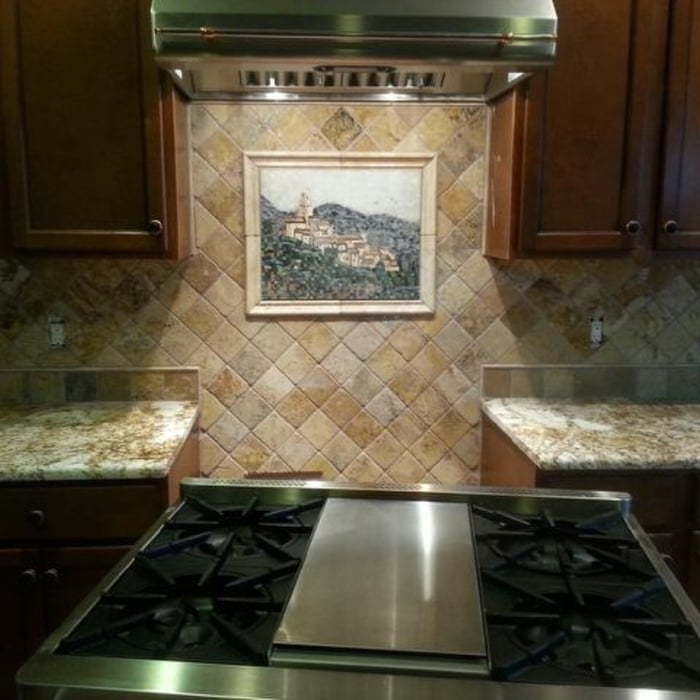
+107

Serving Carlsbad, NM and surrounding areas
In business since 2000
Free estimates
Small jobs welcome
"Great job showed on time did the job that I asked and made sure I was happy with his work before he left more importantly he cared about the job he does"

Serving Carlsbad, NM and surrounding areas
In business since 2020
Credit card accepted
Offers commercial services
"I highly recommend them, they did a great job in my yard, my girls love it. I am very satisfied."
Serving Carlsbad, NM and surrounding areas
In business since 2010
Free estimates
Emergency services offered
"She did great work and got it done quickly. Have hired her again for painting a bathroom again did great work. I am very pleased and will hire her again for any future projects!!!"

Serving Carlsbad, NM and surrounding areas
In business since 2013
Free estimates
Credit card accepted
"Timely and professional job. Very friendly. After and during the job the cut material was removed from area and left clean."
Serving Carlsbad, NM and surrounding areas
In business since 2019
Free estimates
Credit card accepted
"THEY WERE PROFESIONAL AND DID A GOOD JOB"


Serving Carlsbad, NM and surrounding areas
In business since 2017
Free estimates
"He was reliable and did nice work! -Dona S."
Serving Carlsbad, NM and surrounding areas
In business since 2011
Free estimates
"They seemed professional and the prices were very reasonable.."
Serving Carlsbad, NM and surrounding areas
In business since 2003
Free estimates
Credit card accepted
We are a locally owned and operated company that values honesty and integrity and treats your home as if it were our own. We have many years of experience to give you confidence that we are your number one choice for your next home project. You will find us to be competitively priced with close attention to the details. We look forward to building a lasting relationship and guarantee your satisfaction!
From average costs to expert advice, get all the answers you need to get your job done.

Before you set off on vacation, you’ll want to make some preparations for your plants. Learn how to keep your plants alive when you’re out of town in this guide.

How often you water new landscaping can make or break a budding backyard oasis. Here are some tips to give thirsty new plants a chance to thrive.
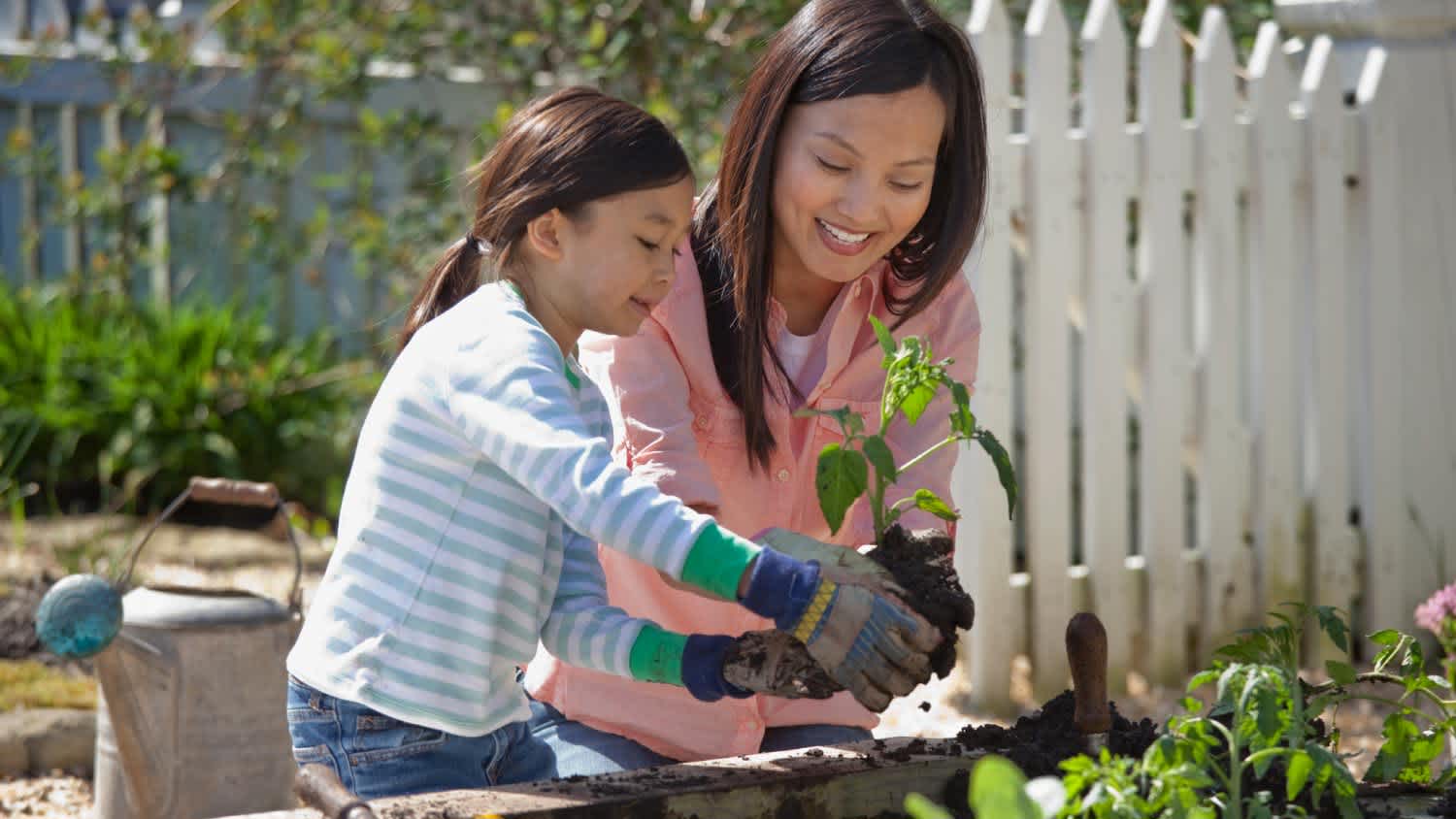
Gardening is about far more than a beautiful yard. Our beginner's gardening guide can help you extend your love of plants to the backyard and beyond.
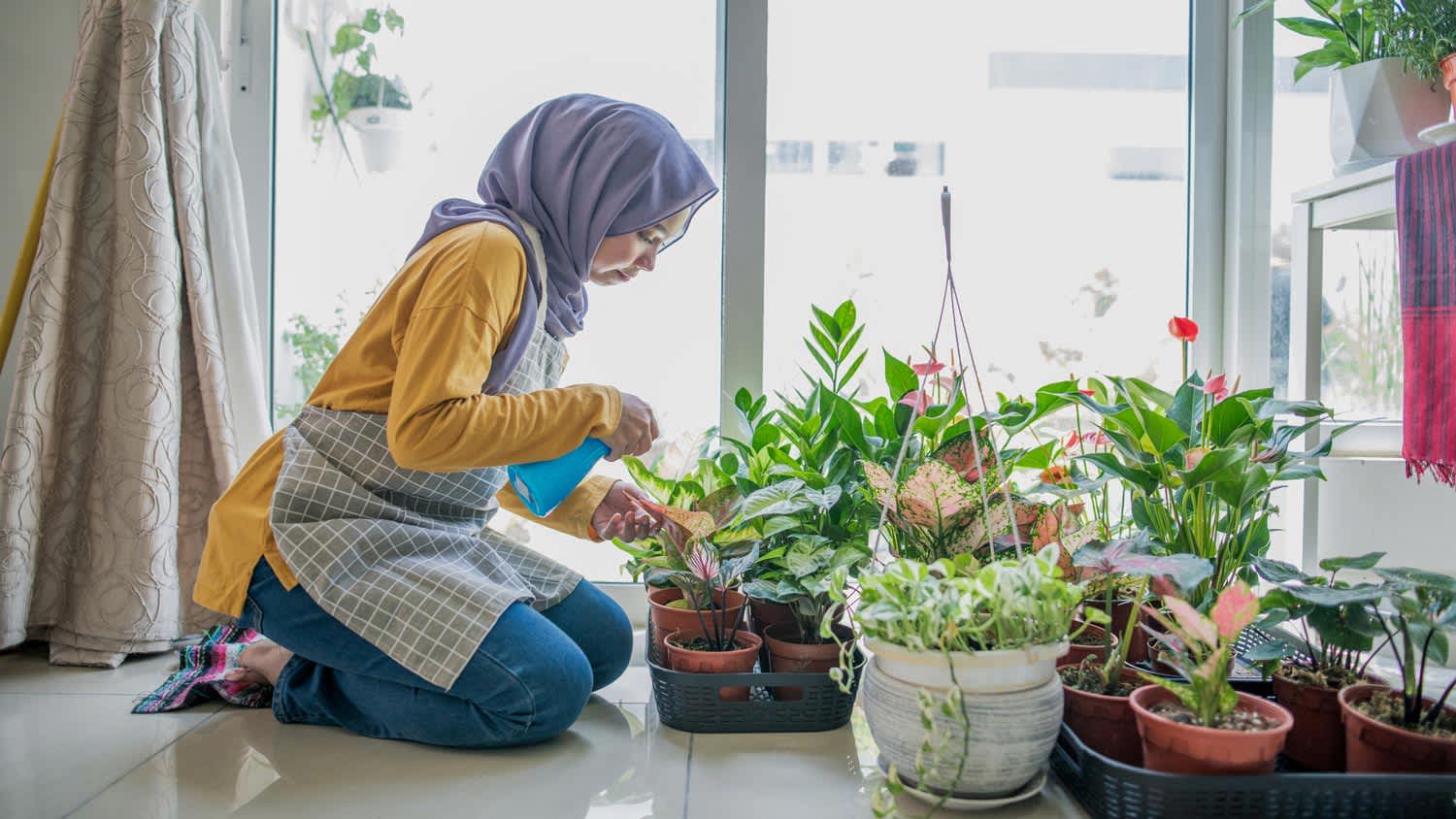
From a bountiful backyard veggie garden to a lush indoor plant room, you can start the container garden of your dreams. Here’s what you need to know.
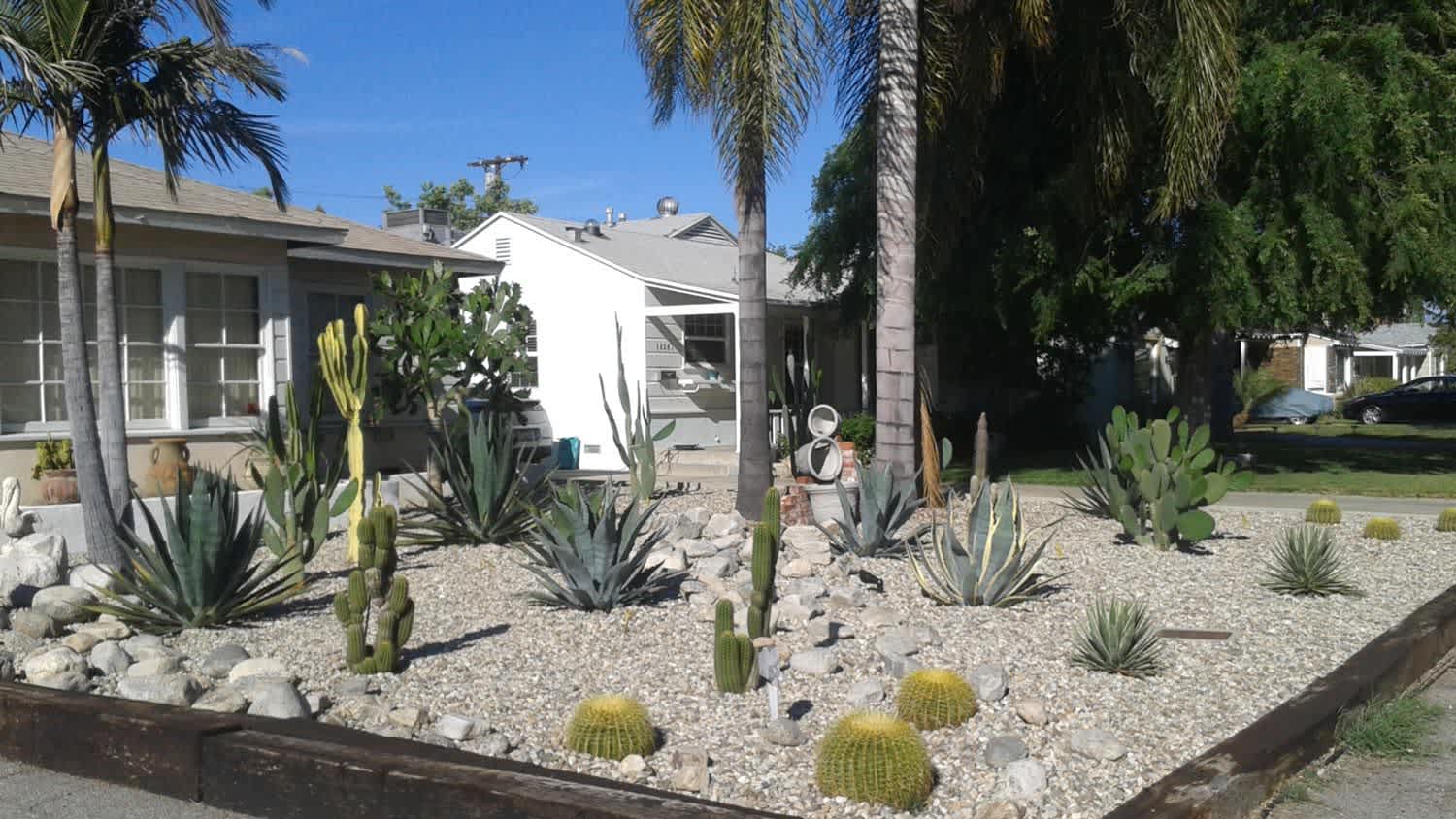
If you want to save money and help the environment, there are many ways to conserve water outdoors. These tips can help you start.
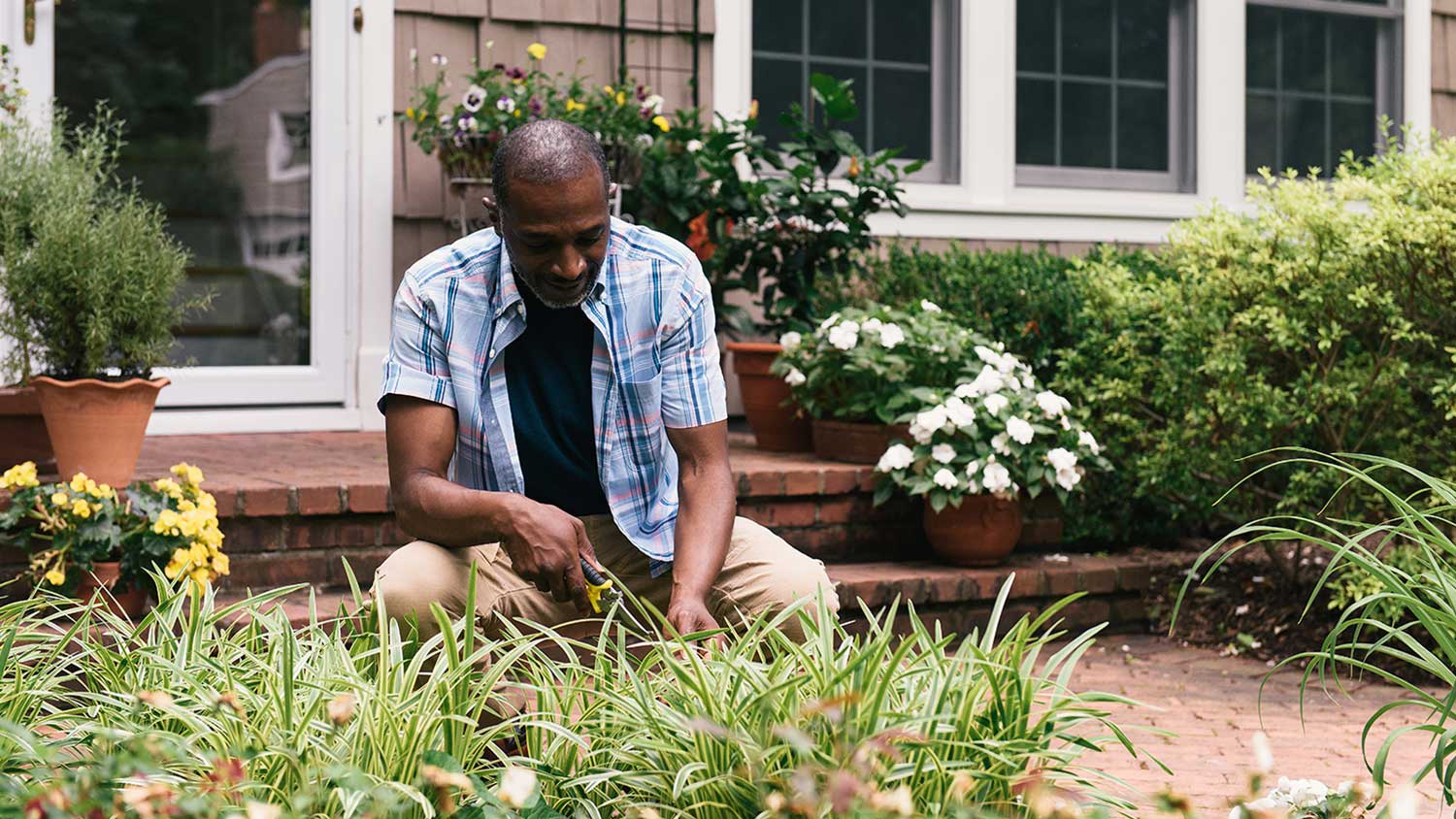
Does talking, or singing, to plants help them grow? Does dish soap deter pests? Can banana peels help plants grow? What's up with coffee grounds as fertilizer?