

Hacienda De La Rosa, LLC
Lawn Care - Maintain and Mow a Lawn
Serving La Luz, NM and surrounding areas
Approved
In business since 2011
Free estimates
"helps me keep and manage my yard and is very professional"
6 neighbors recently requested a quote

*The Angi rating for Plant Watering companies in La Luz, NM is a rating based on verified reviews from our community of homeowners who have used these pros to meet their Plant Watering needs.
*The HomeAdvisor rating for Plant Watering companies in La Luz, NM is a rating based on verified reviews from our community of homeowners who have used these pros to meet their Plant Watering needs.
Last update on February 10, 2023
Serving La Luz, NM and surrounding areas
Approved
In business since 2011
Free estimates
"helps me keep and manage my yard and is very professional"

Serving La Luz, NM and surrounding areas
In business since 2002
Free estimates
Warranties offered
"Very efficient Not overpriced Trustworthy Reliable"



Serving La Luz, NM and surrounding areas
In business since 2023
Free estimates
Credit card accepted
"Work was completed in a very timely manner and price was great. I was satisfied with his work ethic and was very polite. Was willing to go above and beyond what was contracted for."


+24
Serving La Luz, NM and surrounding areas
In business since 2019
Free estimates
"Good hard workers, and determined to leave a job well done. My yard is so beautiful with the fence around it. Thank you so much. Money well spent."





+10

Serving La Luz, NM and surrounding areas
In business since 1995
Free estimates
Credit card accepted
"My work was schedule the next day."
+60

Serving La Luz, NM and surrounding areas
In business since 2010
Free estimates
"They did a good work. They were on time and they did what they supposed to do. I'm satisfied with the service."



+41
Serving La Luz, NM and surrounding areas
In business since 2012
Free estimates
"Nice young men.work hard.are every repectful.had no problems. Very professional."
Serving La Luz, NM and surrounding areas
In business since 2000
Free estimates
"Awesome! Professional and expedient service."
Serving La Luz, NM and surrounding areas
In business since 2017
Free estimates
Here at C&C Lawn & Yardcare, we are an owner operated company. We pride ourselves on customer service. We want to make sure the job is properly communicated and the customer is happy. We have over 20 years of experience in the field, so call, text or contact Chris today to schedule a consultation.
Serving La Luz, NM and surrounding areas
In business since 2015
Free estimates
Credit card accepted
We take great pride in our experience, expertise, quality, and customer service that we provide to meet the consumer's needs. It is our mission to provide excellent workmanship and complete customer satisfaction from start to completion of a project. In order to understand the needs and expectations of our customers, we take great care to work and communicate with every customer in a professional manner. Our reputation is based on service, safety, and quality, regardless of how large or small the job. \n
From average costs to expert advice, get all the answers you need to get your job done.

Before you set off on vacation, you’ll want to make some preparations for your plants. Learn how to keep your plants alive when you’re out of town in this guide.

How often you water new landscaping can make or break a budding backyard oasis. Here are some tips to give thirsty new plants a chance to thrive.

Gardening is about far more than a beautiful yard. Our beginner's gardening guide can help you extend your love of plants to the backyard and beyond.
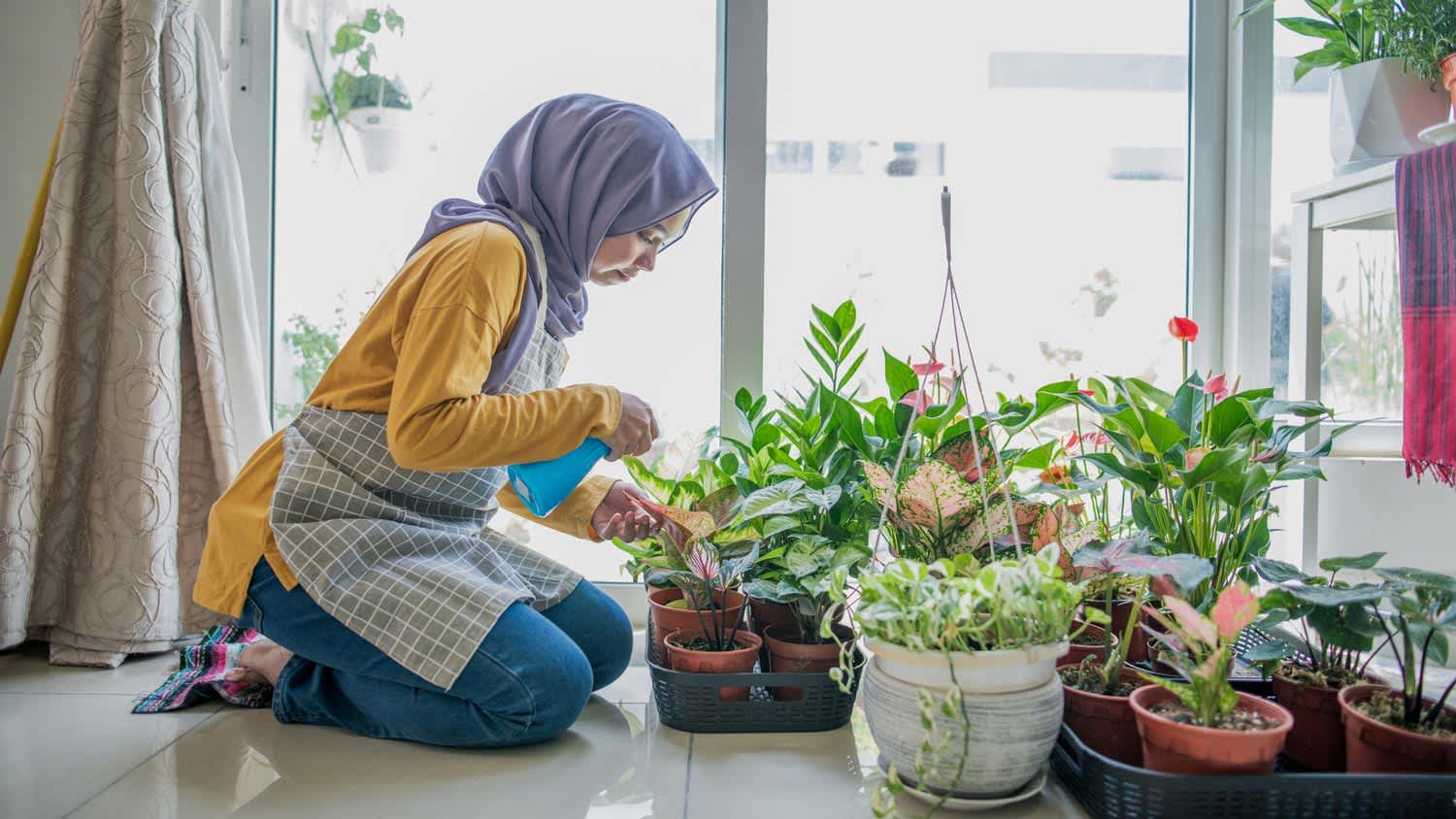
From a bountiful backyard veggie garden to a lush indoor plant room, you can start the container garden of your dreams. Here’s what you need to know.
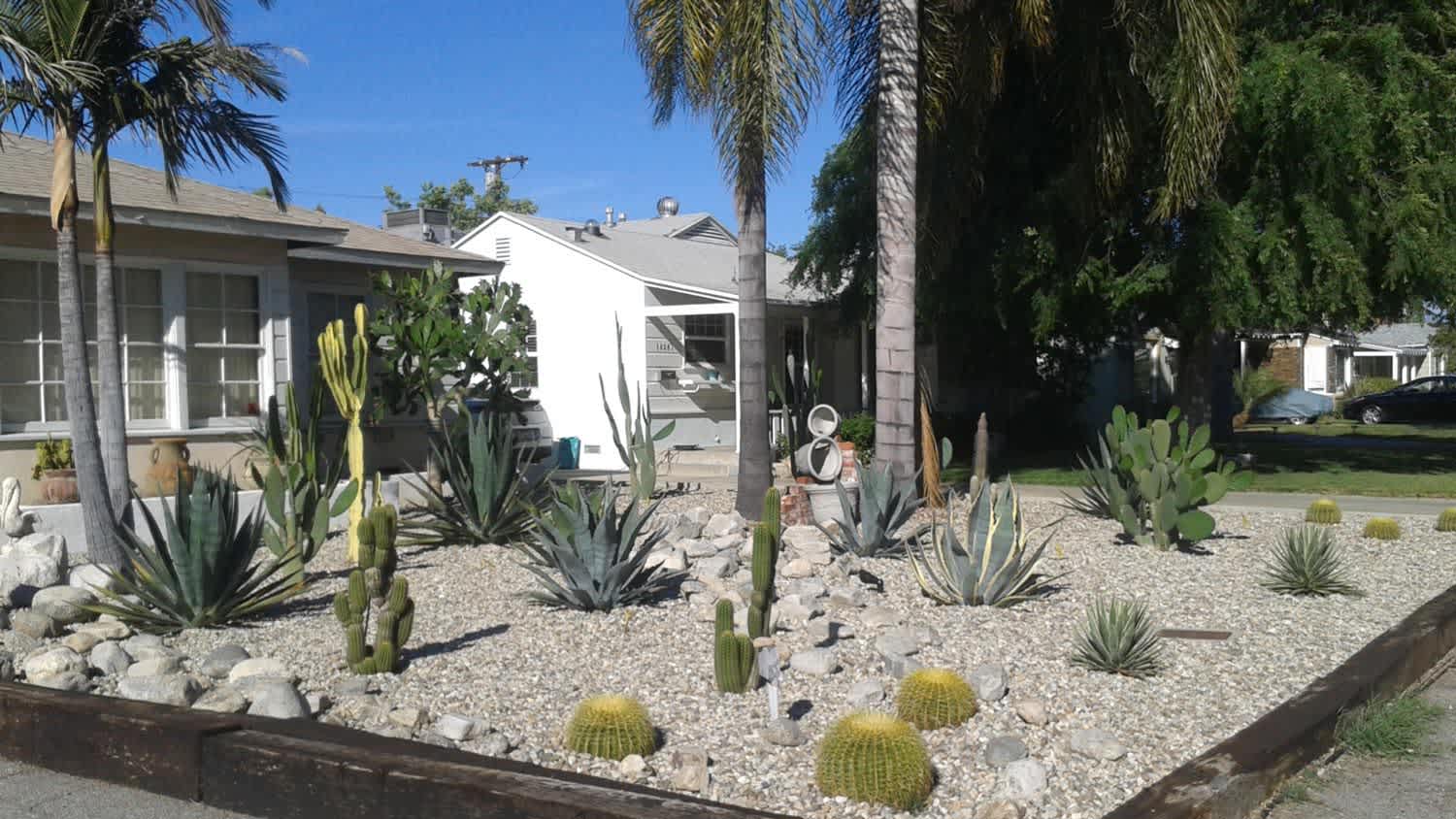
If you want to save money and help the environment, there are many ways to conserve water outdoors. These tips can help you start.

Does talking, or singing, to plants help them grow? Does dish soap deter pests? Can banana peels help plants grow? What's up with coffee grounds as fertilizer?