

Wondering how to stop grass from growing into your flower beds? Use these four helpful methods for keeping your grass in the right place.
Your holiday doesn’t have to be a death sentence for your plants

Covering plants with trash bags creates a miniature greenhouse effect, trapping moisture from the soil so it evaporates and rains back down on your plants.
Moving your plants away from bright sunlight and window sills reduces water needs during vacation, helping them survive longer without regular watering.
Self-watering systems like globes, wicking setups, or drip irrigation keep your plants hydrated for one to three weeks, depending on the water reservoir size.
Hiring a local plant watering professional takes the worry out of extended vacations, providing reliable care when you're away for longer periods.
No indoor plant lover wants to come home from vacation to find a forest of crispy, brown leaves. It’s a nightmare scenario—but it’s also the nature of being a plant parent. If you leave for a few weeks, there’s almost certainly a plant casualty or two (may our favorite Monstera rest in peace).
Rather than scramble to save a few cuttings after you’ve already killed half of your indoor herb garden, it’s best to be proactive. Your plants may not be able to fend for themselves for months at a time, but they can survive for a few weeks. Here’s how to keep plants alive when out of town (aside from hiring a local plant watering service).
The more sun your plant gets, the more it needs to drink. In other words, the natural light that helps your indoor plants thrive can kill them when you’re away.
Before you leave, take your plant off the window sill and put it in the center of the room. You want to avoid bright sunlight, heating vents, and drafty areas that can dry your plants out. This trick also works to prolong the life of fresh cut flowers.
You can’t control the environment around your outdoor plants, but you can optimize the temperature for your indoor plants to keep them alive when you’re out of town. Most indoor plants (especially tropical plants) will not thrive in a hot, stuffy space.
The ideal temperature for house plants is around 65 degrees Fahrenheit, and you should never let your thermostat drop below 55 degrees.
Depending on the climate, you may have to run your air conditioning to keep your plants from sweltering temperatures. In that case, you’ll also need to increase your home’s humidity. A humidifier will only last so long when you’re not there to refill it, so try placing vases of water around the room instead.
You might turn your home’s water off before a vacation, but make sure you thoroughly water your plants first. The soil should be moist but not so wet that your plants are sitting in mud. Let your potted plants drain properly, and dump the excess water from the saucer into your sink. You don’t want your plants to sit in water because it can cause root rot.
Self-watering systems generally work for around two weeks, though it depends on the size of your plant and the amount of water the system can hold. Wicking systems can last a bit longer than a globe because you can use a large reserve of water. There are a few different kinds, but a local gardener can help you find the best solution for your plant room.
Watering globes are a common indoor gardening accessory. You just fill them with water and stake them into your plant. Generally, they’ll hold enough water for a week or two.
You can use an empty bottle as a DIY watering globe. Just fill it with water and stick it in the dirt as you would with a store-bought option.
Drip irrigation systems are more common in the world of agriculture. There are scaled-down options for indoor plants (or you can make your own DIY watering tube). This type of tubing system will deliver small drops of water to your plant from a jug or basin.
This system uses wicks rather than pipes. Put one side of the wick into your plant’s potting soil and the other side in a basin of water. The bigger the basin, the longer it will last.

Self-watering planters work by directly watering the roots of your indoor plant using a sub-irrigation system. Usually, there are two layers to the planter: a basin for the water and a plastic planter with a porous bottom that goes on top. Some planters also use a wick.
Most self-watering pots can last up to three weeks, but they’ll run out of water quicker if the pot is in direct sunlight or undersized for the root system. Keep in mind that this solution isn’t suitable for all indoor plants. Some plants like succulents and orchids need to dry out between waterings, and the excess water can cause root rot and fungus.
It’s easier for your plants to maintain humidity and moisture when they’re grouped together in a small room. If your bathroom has a source of natural light, try putting your humidity-loving plants (like ferns, air plants, and tropical plants) together in the bathtub. You can even use the tub to water them from below.
This watering method isn’t great for all plants. If you wouldn’t use a self-watering planter, don’t use the bathtub. Otherwise, fill the tub with one to two inches of water. As long as your planters have a drainage hole, the water will wick up into the soil.
A clear plastic bag can act as a DIY greenhouse. The idea is that the moisture from the soil will evaporate and collect on the inside of the bag. Those droplets will rain back down on your plant. It’s like its own little ecosystem.
To use a plastic bag as a greenhouse, follow these steps:
Water your plant
Pull a clear plastic back over the top of your plant
Use bamboo stakes to make sure the bag doesn’t touch the foliage
Tape or tie the bag below the lip of your planter
Cut some small slits for air circulation
You can also use this method to retain moisture among a group of plants with similar plant care needs. Use a large, clear trash bag rather than wrapping each indoor plant individually.

If you’re wondering how to keep plants alive while out of town for more than a month, sometimes it’s just not possible. Indoor plants need regular plant care, and sometimes a trip is just too long.
While hearty plants like pothos may bounce back from drought stress, you may want to get rid of fragile ferns, flowers, and tropical plants if you’re constantly away for long periods of time.
Instead, choose drought-tolerant plants like:
Succulents
Cacti
Snake plants
ZZ plants
Cast-iron plants
These house plants are hard to kill and may survive a month or more without watering (especially if it’s winter and they’re dormant). If all else fails, you can always hire a local plant watering service.
Custom Paint Jobs LLC made our home feel like a piece of art. Thank you for your creativity!
 Custom Paint Jobs, LLC
Window Depot did an amazing job on my deck. I wasnt sure what I wanted to do, but their composite decking was affordable and will last a long time. I am excited to have family over, and I am no longer embarrassed by my backyard. Jeff and the ground crew were polite, respectful, and caring for...
 Window Depot USA of Central Ohio
First of all, the gentleman I dealt with (Cam?) was very responsive to my many questions and concerns throughout the project, which is a huge plus to me. From the first time I met him for the estimate all the way til the completion of the job, he and his crew were professional and respectful....
 All Star Paving and Sealing
We had a 20+ year old landscape lighting system that needed replacement. Midwest Lightscapes worked with us to design a much improved lighting system, lighting the exterior of the house and the back yard. Installation of the 45 light system took one and one-half days, and went very smoothly....
 Midwest Lightscapes
Another great success for me on home advisor. This company did an awesome job on my landscaping and stayed within my budget. The best part, the work was complete within 2 days of my initial request. Professional and responsive. I highly recommend!
 Blue Ring Residential Services, LLC
The company no showed on me twice. The 2nd time was no call no show. They were responsive to set up the first appointment to perform the "landscape cleanup". 3 hours after their initial scheduled appointment time they called me to let me know they had some "problem" with the truck and their...
 Ruby Home and Hauling Services
Received ideas for future landscape plans...quote to do the work seemed a bit high but I did not have any other quotes to compare it to, so perhaps that is the going rates. <br />
 Landscapes By Terra, Inc
All around they have done a really great job. <br /> I have used JL Landscapes for the past 8 years. I own and operate my own commercial/residential real estate company where we own, operate, and maintain our own properties. JL Landscapes has been our exclusive landscaper for both our...
 J.L. Landscapes
Bought a half a cord of firewood from Pitzer with stacking last month. I waited to report so I could see how the wood burned. <br /> <br /> I have three pet peeves regarding landscapers, but Pitzer scored "A"s regarding all three. First, rather than having customers "leave a message" and...
 Pitzer Landscaping
I left a message on Sunday requesting to schedule a time to obtain an estimate/walk-through and received a return call in the morning of the following Monday. Mark worked with me and agreed to schedule the estimate/walk-through for the following Saturday. When Mark arrived for the...
From average costs to expert advice, get all the answers you need to get your job done.
Wondering how to stop grass from growing into your flower beds? Use these four helpful methods for keeping your grass in the right place.
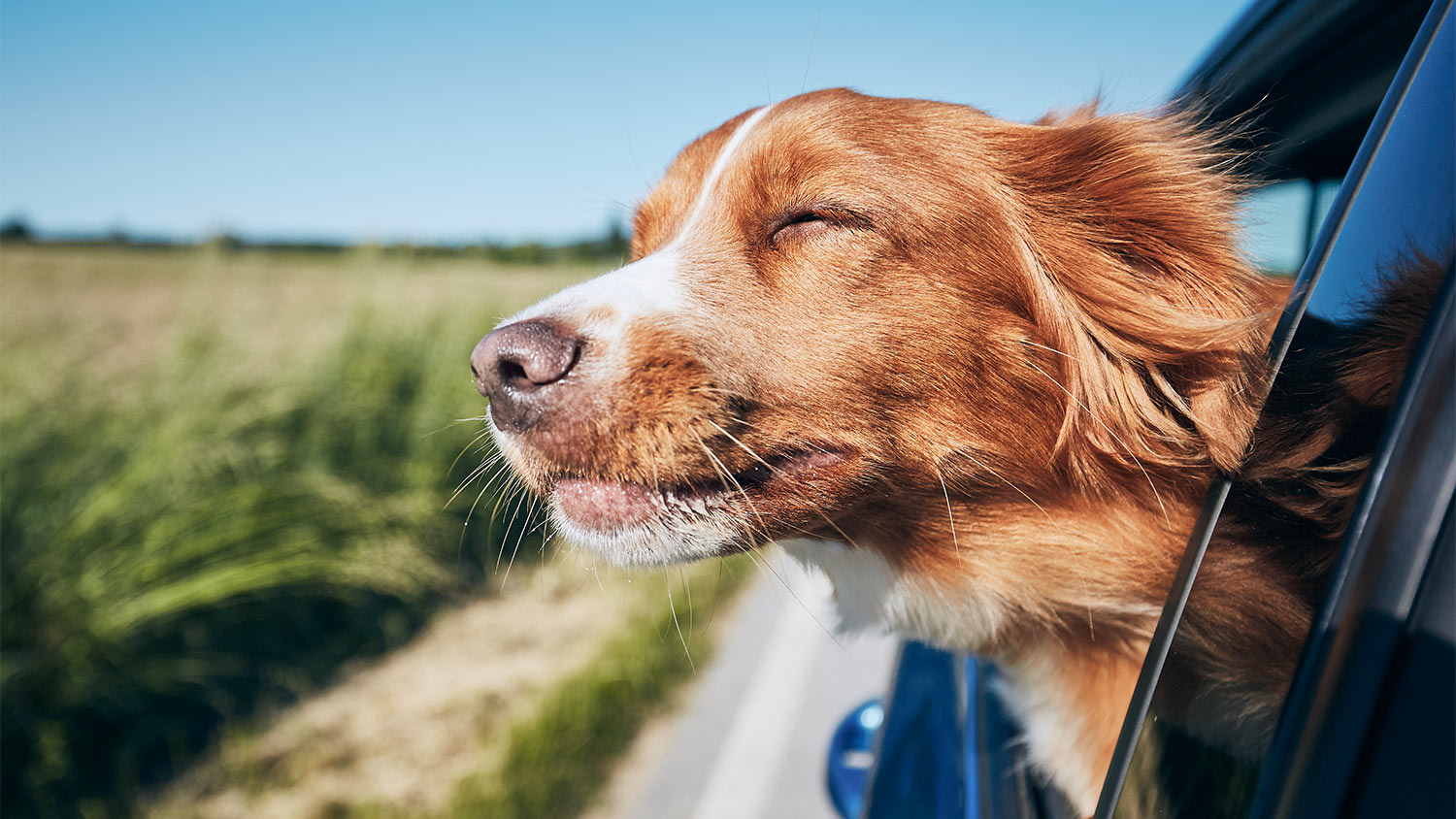
Dogs overheat more quickly than humans. Follow these tips for how to keep a dog cool in the summer and comfortable when temperatures rise.
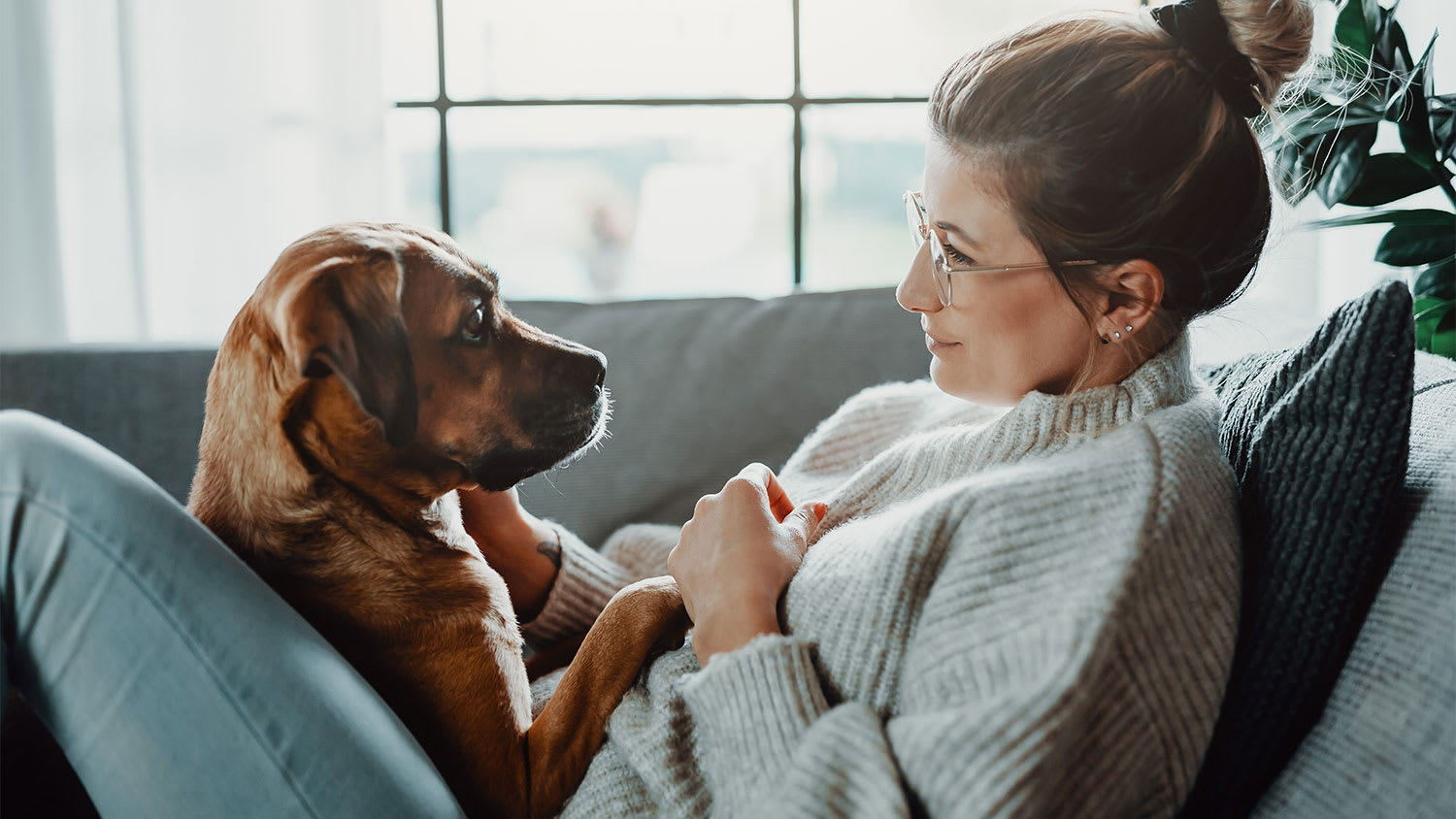
Whether driving or flying, you’ll need to prepare your pet for the big move. These tips will keep them safe, comfy, and happy during a long or short-distance trip.
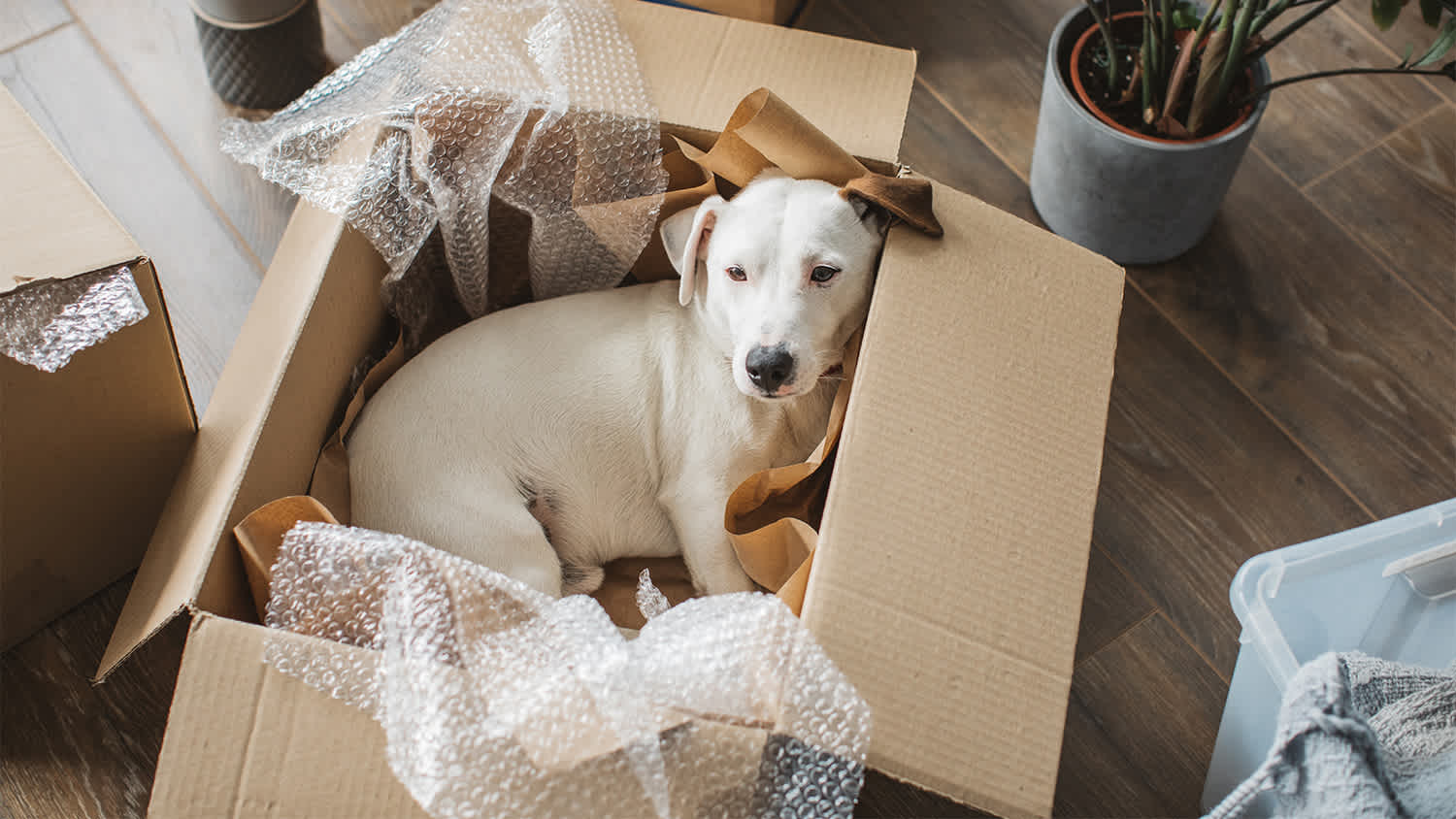
In all the chaos of relocating, remember to protect your most precious cargo. Follow these tips to help keep your pets safe during your move.
Preparing your home for a holiday vacation? Before traveling, take care of these crucial tasks around the house so you can enjoy your time away stress-free.
Save on your heating costs while you’re away from home by learning the best temperature to set your thermostat when on vacation in the winter.