






"We are still in the budgeting phase and have not contacted yet however Scott Hughes of Groundwork’s was a great resource. He provided detailed information on the issues and how they would resolve them for us."

"Art showed up and was very nice and polite. Fixed the problem and gave in detail of how part of the septic works. Was very glad that he checked the septic tanks and helped fix the problem. Would definitely use Art with Affordable Plumbing again and would recommend him to everyone."
"They did an excellent job. They are a little on the pricey side. They come and they did the work right. I would use them again. Their work was excellent and they showed up when they said they would."
"They were prompt on time. They kept the job clean. They completed the job in the time they said. The price was fair. I would use them again and reccomend them also. Thanks guys. Thanks angie's list"
"Timely response for service. Very neat and meticulous attention to detail. Excellent work. I will be hiring them for other projects as we get settled into this house."
This depends on the location of the blockage. If the blockage is in your home’s system, anywhere in the system, it is your responsibility as a homeowner. Blockages seldom happen because of items or buildup coming from the city, which means it originates in the home. It becomes the city’s responsibility at the exact point your home’s line distributes waste into the city’s system. The exception is if the problem in your home damages the city lines.

Start by unscrewing the overflow valve, which is located on the wall of your tub between the floor drain and the tub spout. Gently insert a plumbing snake down into the pipe, move it back and forth, and pull it out. Remove any hair, debris, and soap scum that comes out with it. Repeat the process until the snake comes out clean, and then reinstall the cap on your overflow valve.
Some homeowners use additives every month to help septic system performance, but according to the U.S. Environmental Protection Agency, the effectiveness of septic system and leach field additives is unknown. Further, additives made with organic solvents or alkali chemicals can actually be harmful to the necessary bacteria in a septic system.
Clogs in a sprinkler valve can be caused by various factors, including debris in the water supply, sediment buildup inside the valve, or damage to the diaphragm. Debris and sediment can accumulate over time, obstructing the valve's passages and impeding water flow. Damaged diaphragms may develop tears or holes, leading to blockages and affecting the valve's ability to open or close properly. Regular maintenance and cleaning can help prevent and address these issues, ensuring your sprinkler valve operates smoothly.
The cost to repair a main sewer line clog is about $3,110 on average. The average cost range is $1,310 to $4,950, but it can go as low as $215 and as high as $9,300 or more. The cost factors for this repair include the severity of the clog, pipe accessibility, video inspection, removal method, permits, pipe material, labor rates in your area, and time of year. Repairs made from outside during the winter can be more difficult due to the frozen ground or during the spring if the ground is saturated from a lot of rain and snow melt.
The Alamogordo, NM homeowners’ guide to french drain services
From average costs to expert advice, get all the answers you need to get your job done.
A French drain costs around $9,250 to install, but several factors will determine the final price you pay. Learn the cost to install French drains in this guide.
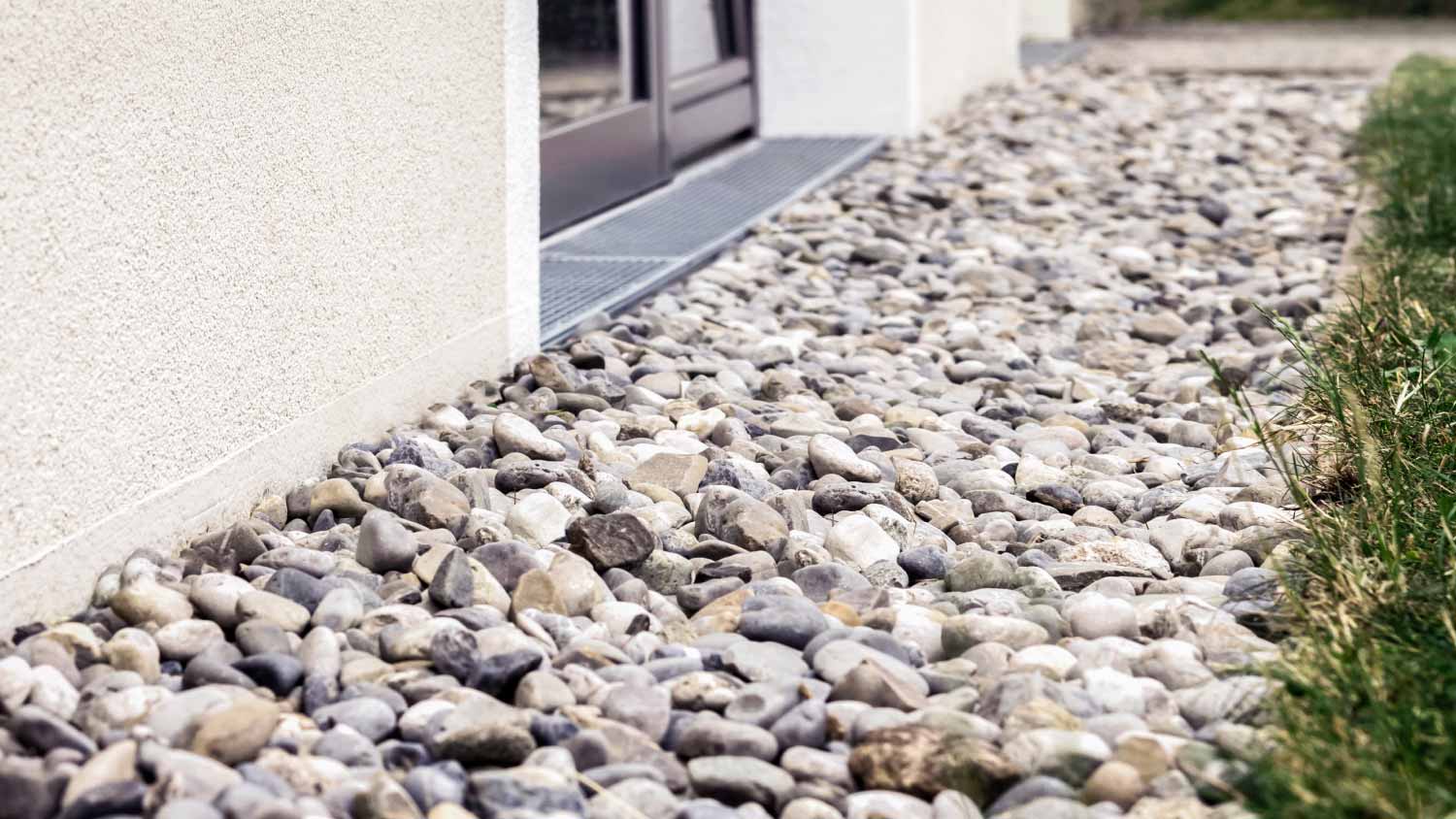
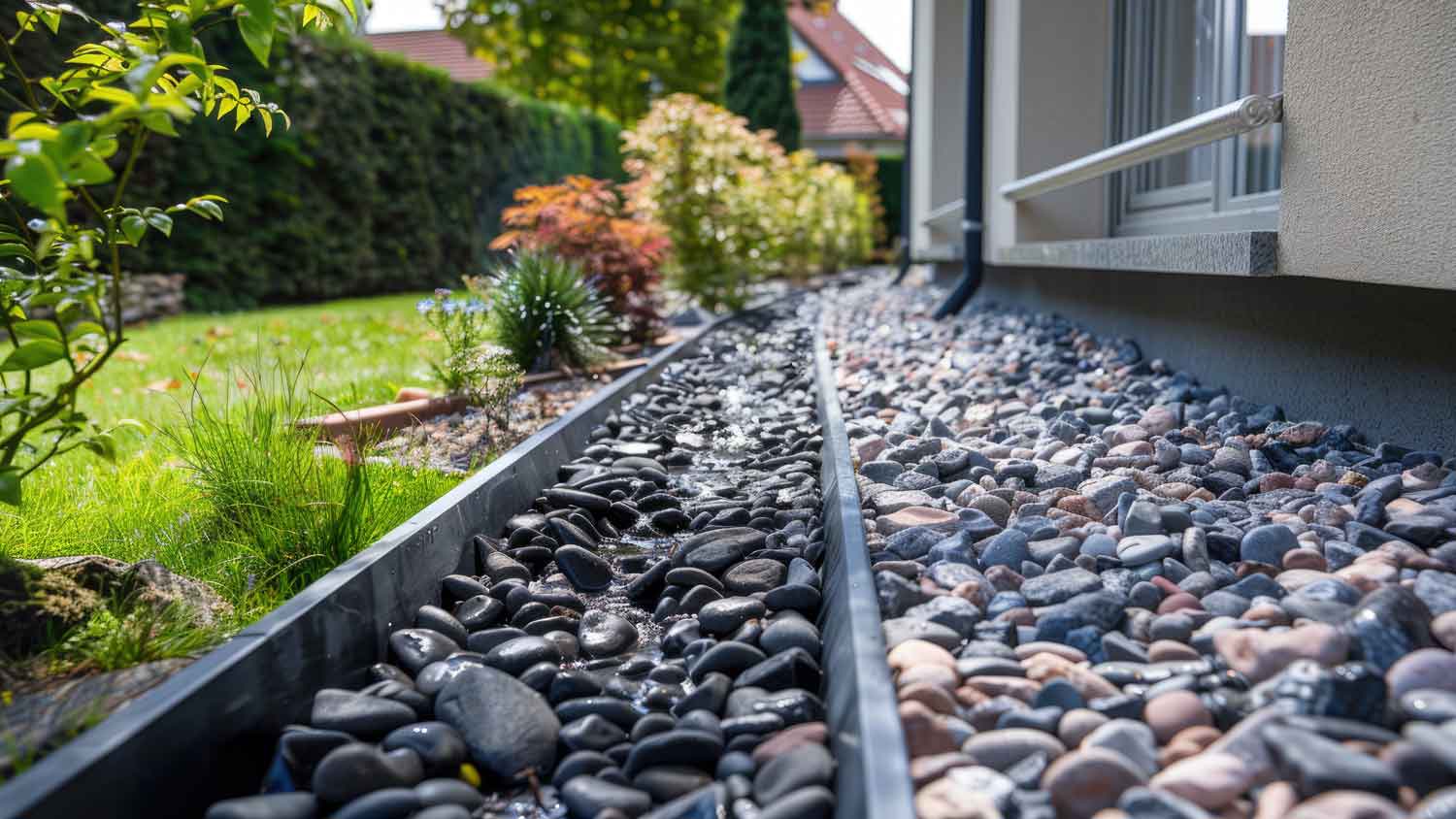
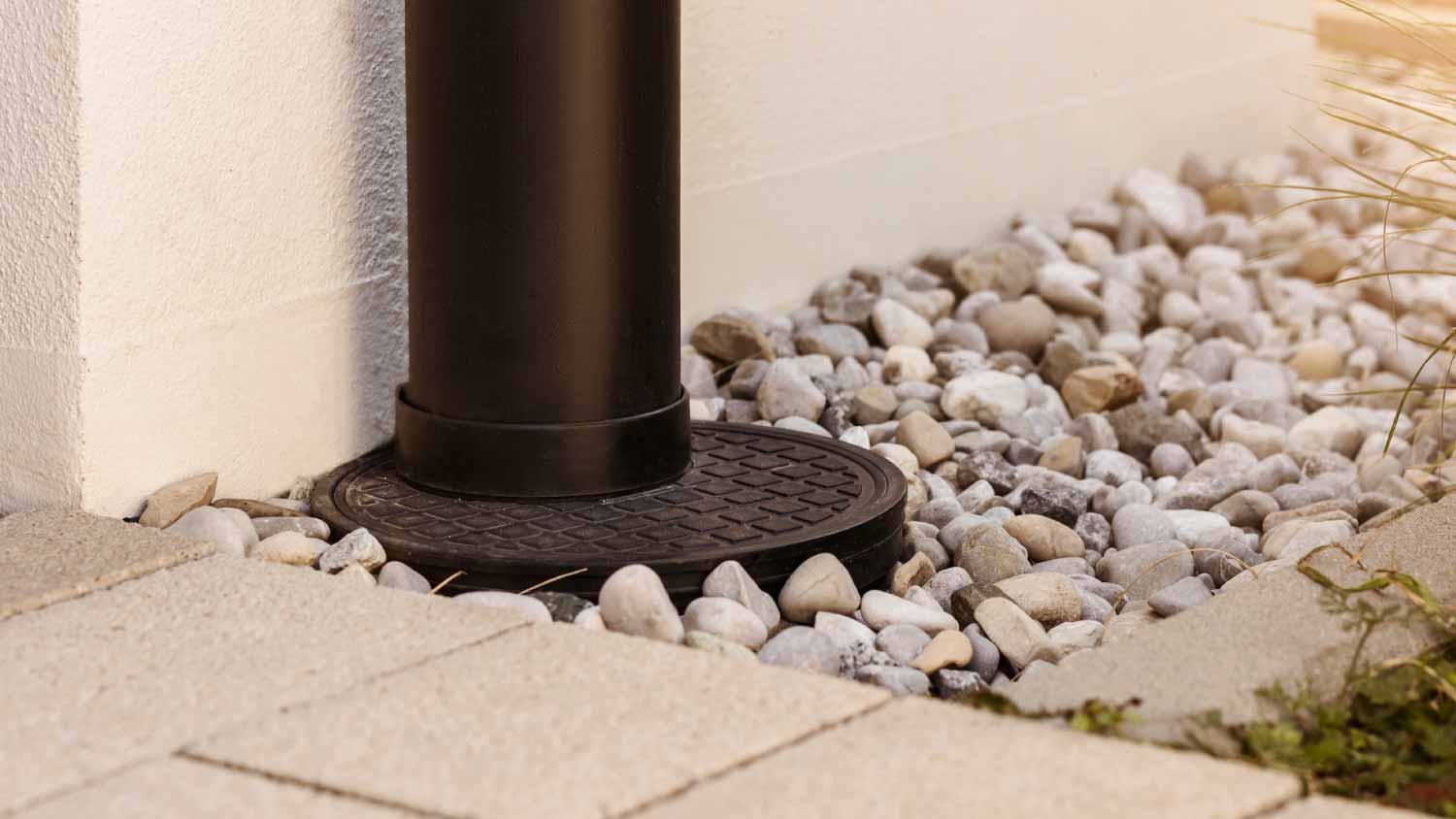
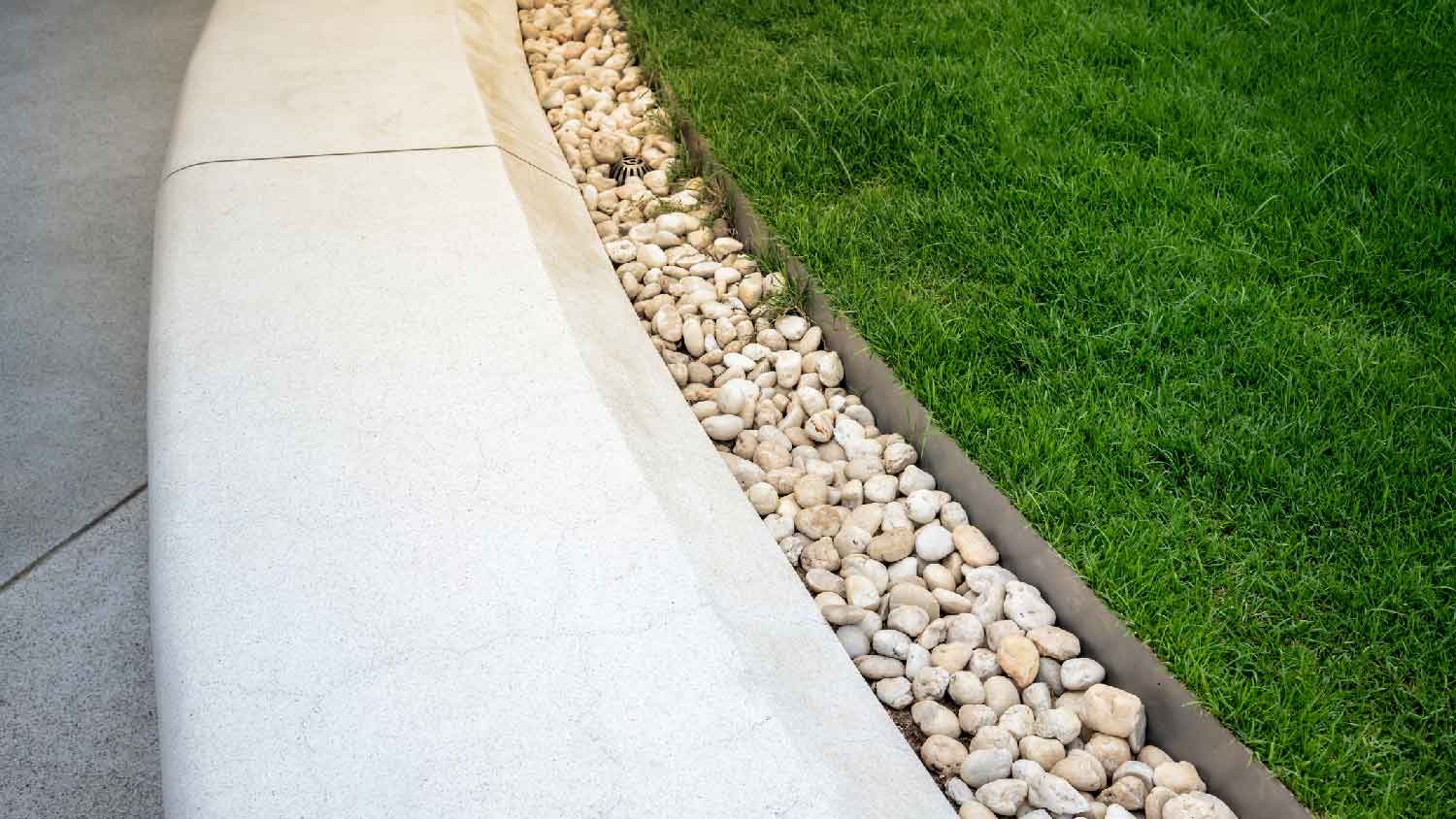
French drains help keep water away from the interior and exterior of your home. There are three different French drains to choose from, based on where water collects.
French drains can be an effective solution for pooling water and flooding. So, who installs French drains? Find out how to hire the ideal pro for the job.