
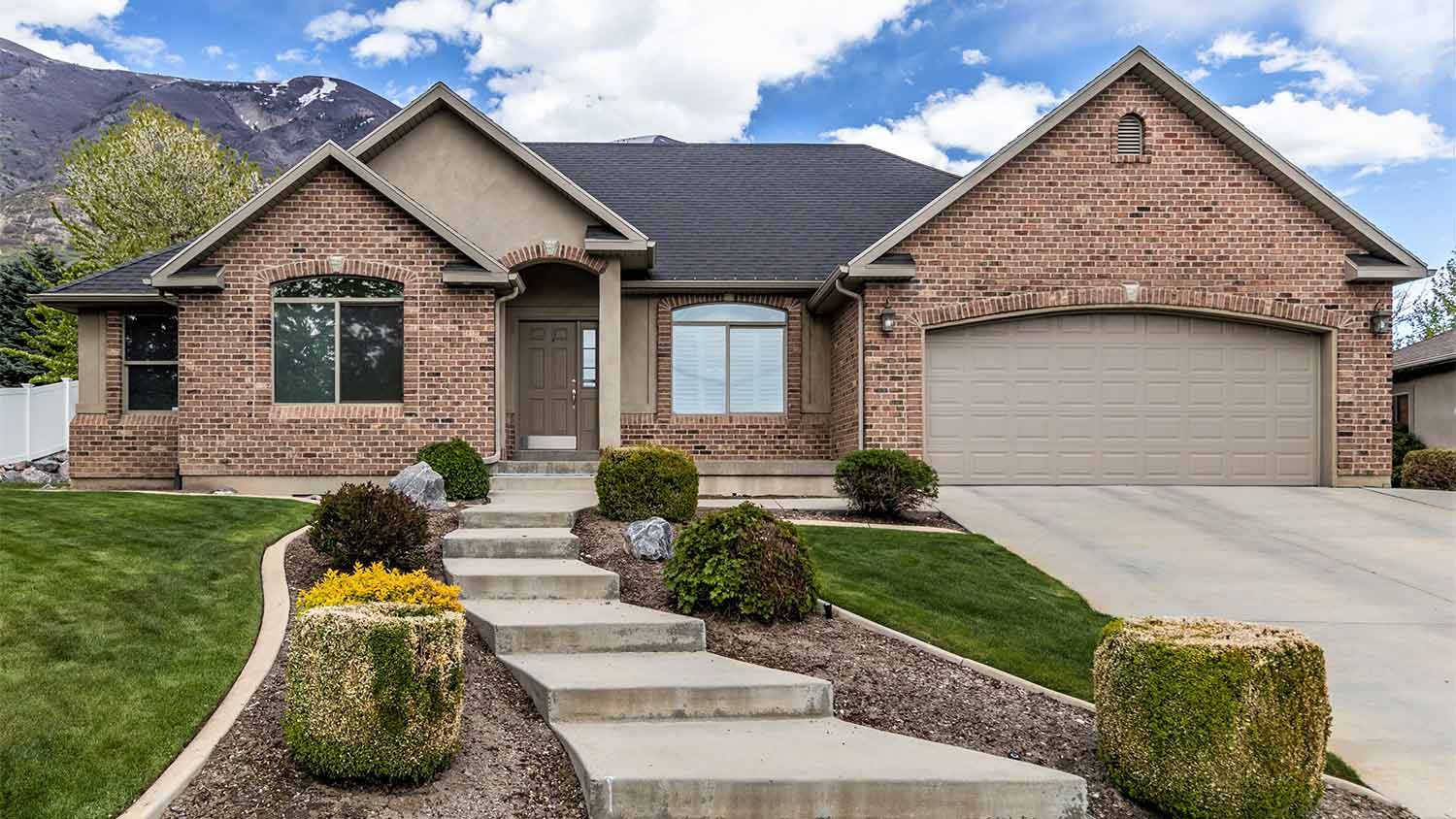
A French drain costs around $9,250 to install, but several factors will determine the final price you pay. Learn the cost to install French drains in this guide.
The right French drain protects your basement, foundation, and yard

The three types of French drains include surface drains for above-ground water, blind drains for sloped yards, and interior drains for your basement flooding.
Your drain choice depends on where water collects: surface drains protect driveways and foundations, blind drains handle yard depressions, and interior drains keep basements dry.
Different drain types suit specific water problems, so identify where pooling occurs before selecting a surface, blind, or interior French drain for your property.
Hiring a local French drain professional ensures proper installation and helps you choose the right drain type based on where water collects around your home.
Anyone who lives at the bottom of a hill knows how annoying water runoff can be. That’s why it’s essential to choose the right type of French drain for your home.
With many areas of the country flooding more frequently, installing french drains in and around the outside of your home will pay off. Let’s cover the different types of French drains and how to choose one for your home, depending on where water is collecting.
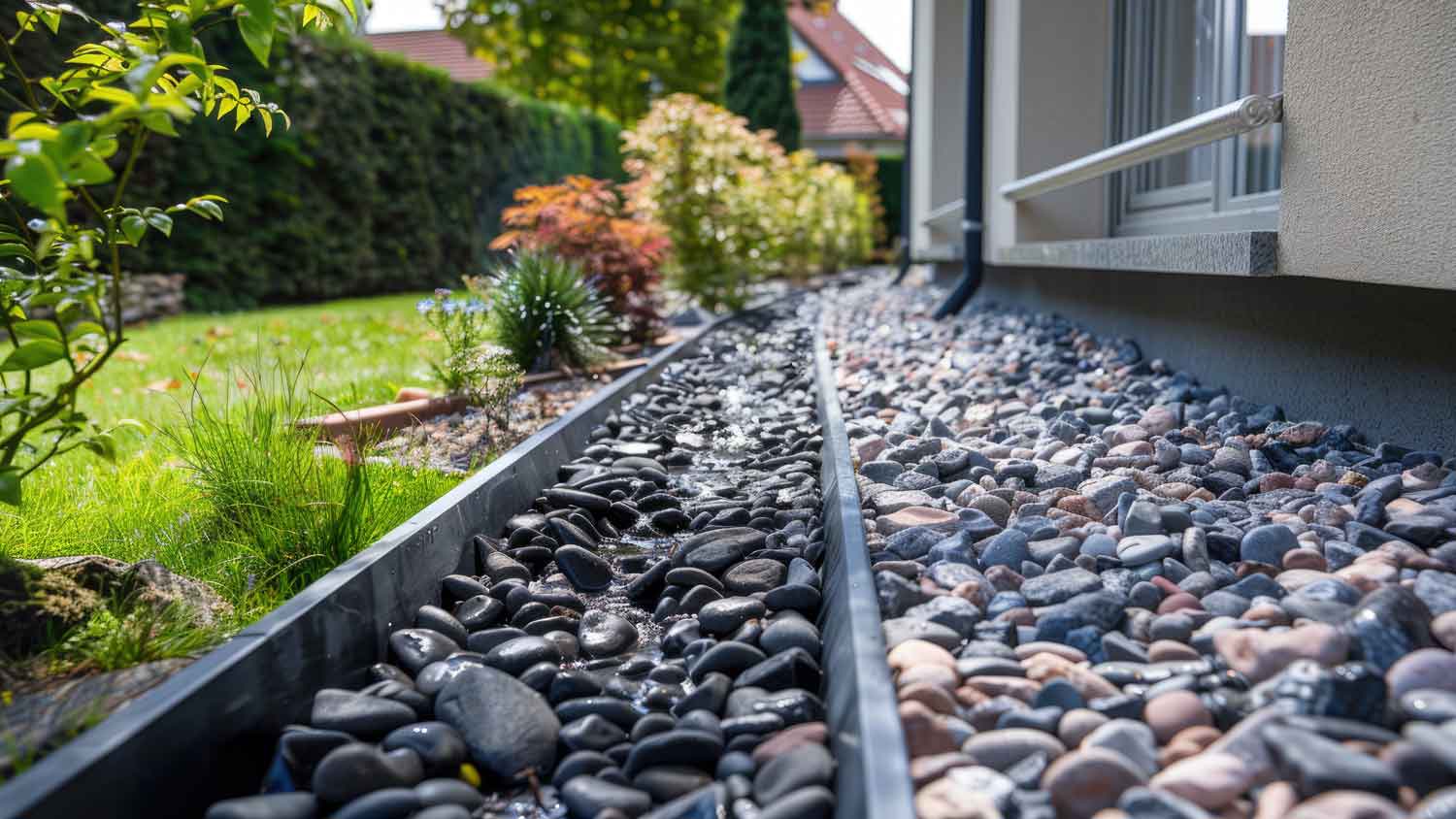
A french drain provides a sunken channel for water to disperse into the soil surrounding your home. Installing this type of system requires digging a trench and hooking up pipe connections, among other tasks, so it's best to hire a professional french drain installation company for this project.

| Type of Drain | Where it Keeps Water Away From |
|---|---|
| Surface French drain | Above ground, around driveways and foundations |
| Blind French drain | Sloped yards |
| Interior French drain | Basements |

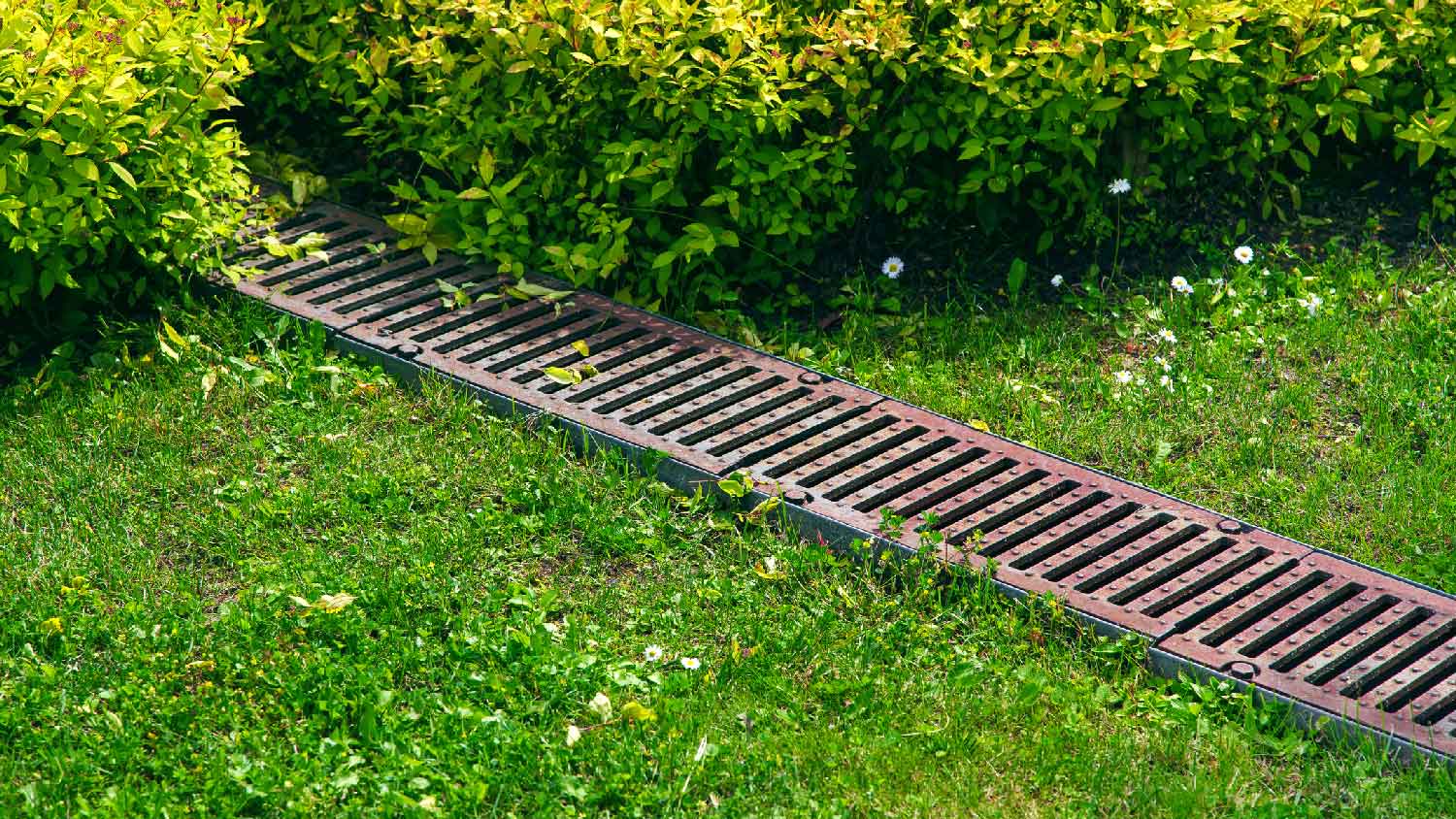
Surface French drains, sometimes called trench drains, are designed to drain water collecting above ground away from your home. For instance, this type of French drain is commonly used at the end of a sloped driveway. These drains can be used to divert water away from areas of your property where they could cause significant damage, such as around your home’s foundation.
Made of metal grating and a flexible PVC pipe, these drains are resistant to damage and corrosion.
| Pros | Cons |
|---|---|
| Easy above-ground installation | Not always aesthetically pleasing |
| Used in concrete areas like basements and garages | More prone to clogging |
| Made of metal, material resists corrosion and damage | May flood during extreme weather |
Best For: Surface French drains are best for diverting water that collects on the surface of your basement, garage, or anywhere above ground.
A blind French drain is often referred to as a blind inlet. A French drain professional will install this type of French drain at the lowest point of a depression or pothole. A pipe is covered with rock, sand, or crushed stone. Over that, lies the drain cover that helps stop debris, like leaves and small twigs, from running into the pipe.
| Pros | Cons |
|---|---|
| Helps divert water under the surface | Higher installation costs |
| Easily hidden from view | Severe weather may damage the system |
| Helps prevent foundation problems | May become clogged with debris more easily |
| Reduces soil erosion | May not work with some clay-like soils |
Best For: Blind French drains help protect driveways or yards that flood frequently.

As its name suggests, interior French drains help relieve water collecting in the interior of your home. This type of system is mainly found in basements. They’re installed around the basement and foundation walls and they drain water outside.
| Pros | Cons |
|---|---|
| Helps keep low inside areas dry | Only designed for basement use |
| Installation can be a nuisance as workers need to access your home | May require a sump pump |
| Protects your foundation | Quickly become overwhelmed by serious flooding |
| Prevents mold and mildew |
Best For: Interior French drains are best used for basements that flood frequently and homes that often endure severe weather.
To choose the right French drain, you’ll need to identify where water collects in your home or yard. From there, you can determine the type of drain that makes the most sense for your needs.
Once you know what kind of French drain you need, work with a local French drain professional for a high-quality install. These pros can source the drain and any other materials needed for the installation process and build it for long-lasting results.
If you have water building up in your basement: Use an interior French drain installed along the edge of your basement. This system will help direct water into a single, open drain that’ll carry the water outside of your home.
If you have water pooling at the end of your driveway: If water collects at the bottom of your driveway, a surface French drain is the way to go. It’ll direct water away from low-lying areas.
If you have land with low areas where water collects: If that’s the case, try installing a blind French drain. This system collects water so your land doesn’t flood as frequently.
Since French drains redirect water away from problem areas on your property, proper installation is essential to avoid future water damage. It's possible to install a French Drain by yourself, but doing so successfully will take quite a bit of skill and labor.
Hiring a French drain professional to take on your French drain project will ensure that it’s done properly and safely. When searching for nearby French drain professionals, contact several companies ahead of time. They can provide quotes for the installation cost and a time frame for the installation so you can find the right service for your budget and timeframe.
Cody did a great job!
 Itzelpainting
Wonderful. I am going to have them remove and replace my driveway in the spring.
 All Star Paving and Sealing
We had a 20+ year old landscape lighting system that needed replacement. Midwest Lightscapes worked with us to design a much improved lighting system, lighting the exterior of the house and the back yard. Installation of the 45 light system took one and one-half days, and went very smoothly....
 Midwest Lightscapes
Did an amazing job transforming my yard. Also installed sod in places, would recommend to everyone.
 Cardinal Landscaping & Construction LLC
Always been satisfied with the service work and how they have taken care of my pool.
Bill Gerhardt sold the company to his employees at the end of 2019, apparently without a workable succession plan and without notifying prospective customers of this fact. Most aspects of the maintenance contract have not been fulfilled: no installation of anual plantings per contract, no...
They show up and they did take us on as a client which seems to be a problem with other lawn care providers. We have multiple properties and this one was located close to downtown and no one really wants to mess with it.
I was very happy with the service provided by AK Irrigation. They responded quickly to my email, and the woman I spoke with was polite and professional. I was able to get an appointment that same week. <br /> The technician (Tyler) arrived on time. He was very knowledgeable, and worked...
 AK Irrigation
The worker came out when he was supposed to come. He informed me he would honor the Angie's List deal, but would not do any more work for me since my son in law owns lawn care company as well, even though they do not do the same type of work. He said he did not feel comfortable giving me...
 Bello Giardino LLC
E & L Lawn Care was super. They were very responsive before and after service. They were efficient and were able to complete the job within 1 day. I have had concern about one section of sod - the owner was pro-active and did a visit to evaluate. I have no doubt they will stand behind...
 E&L lawn care
From average costs to expert advice, get all the answers you need to get your job done.
A French drain costs around $9,250 to install, but several factors will determine the final price you pay. Learn the cost to install French drains in this guide.
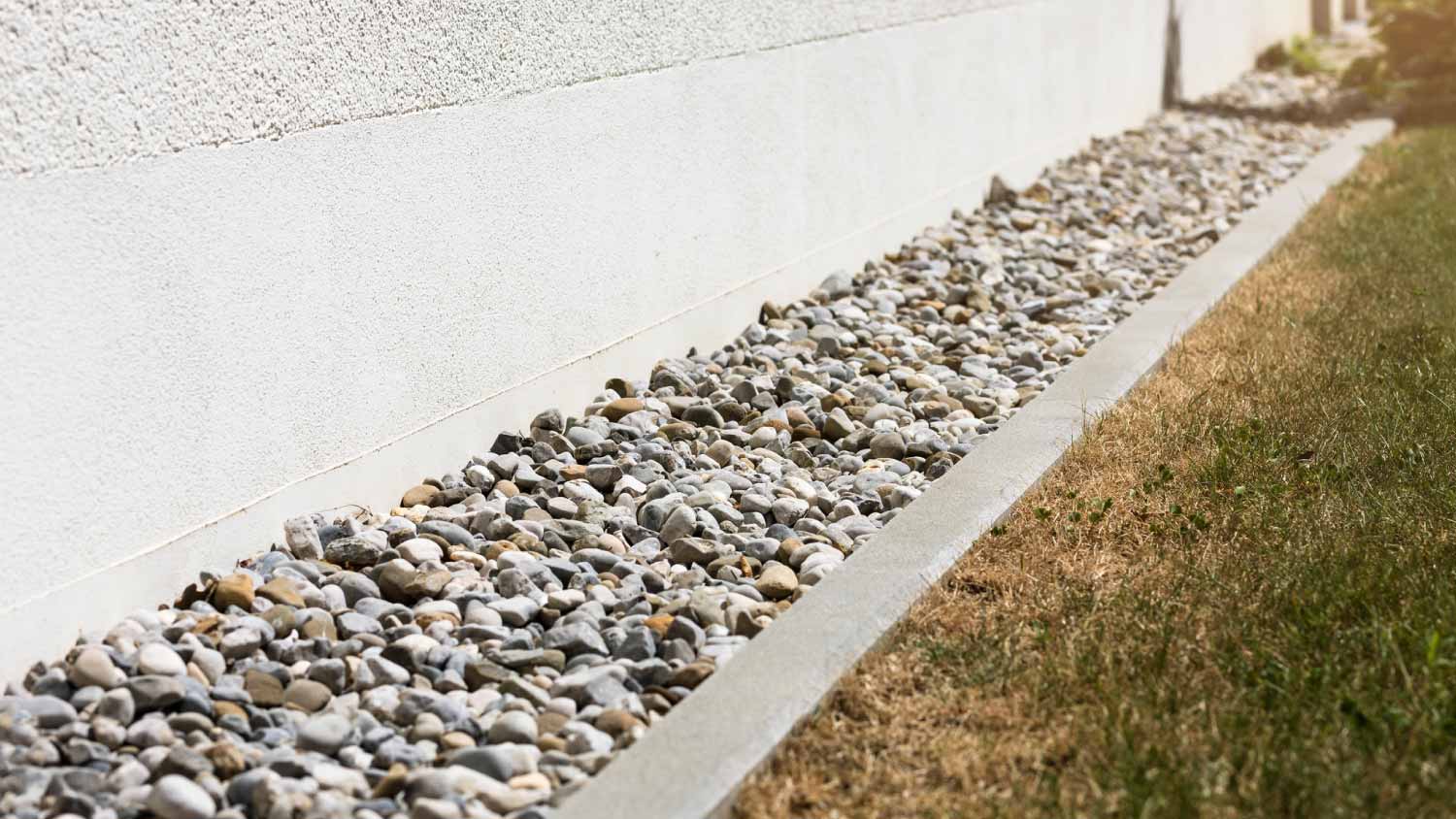
French drain systems help keep your home and yard free from excess water. Your system will work best when you install the proper size.
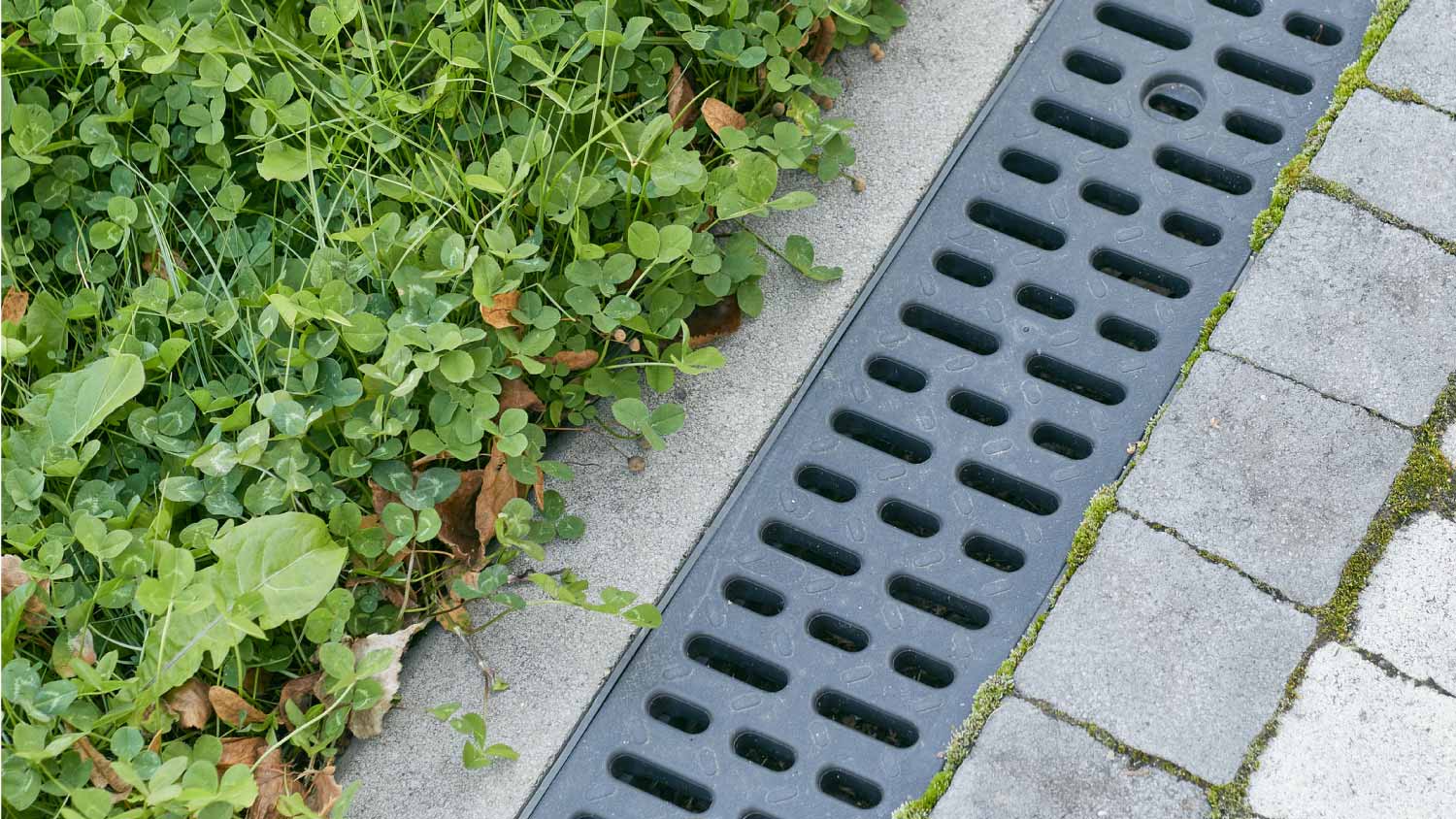
If you need more than a French drain, an alternative drainage system that handles more water can help you protect your property, inside and out.
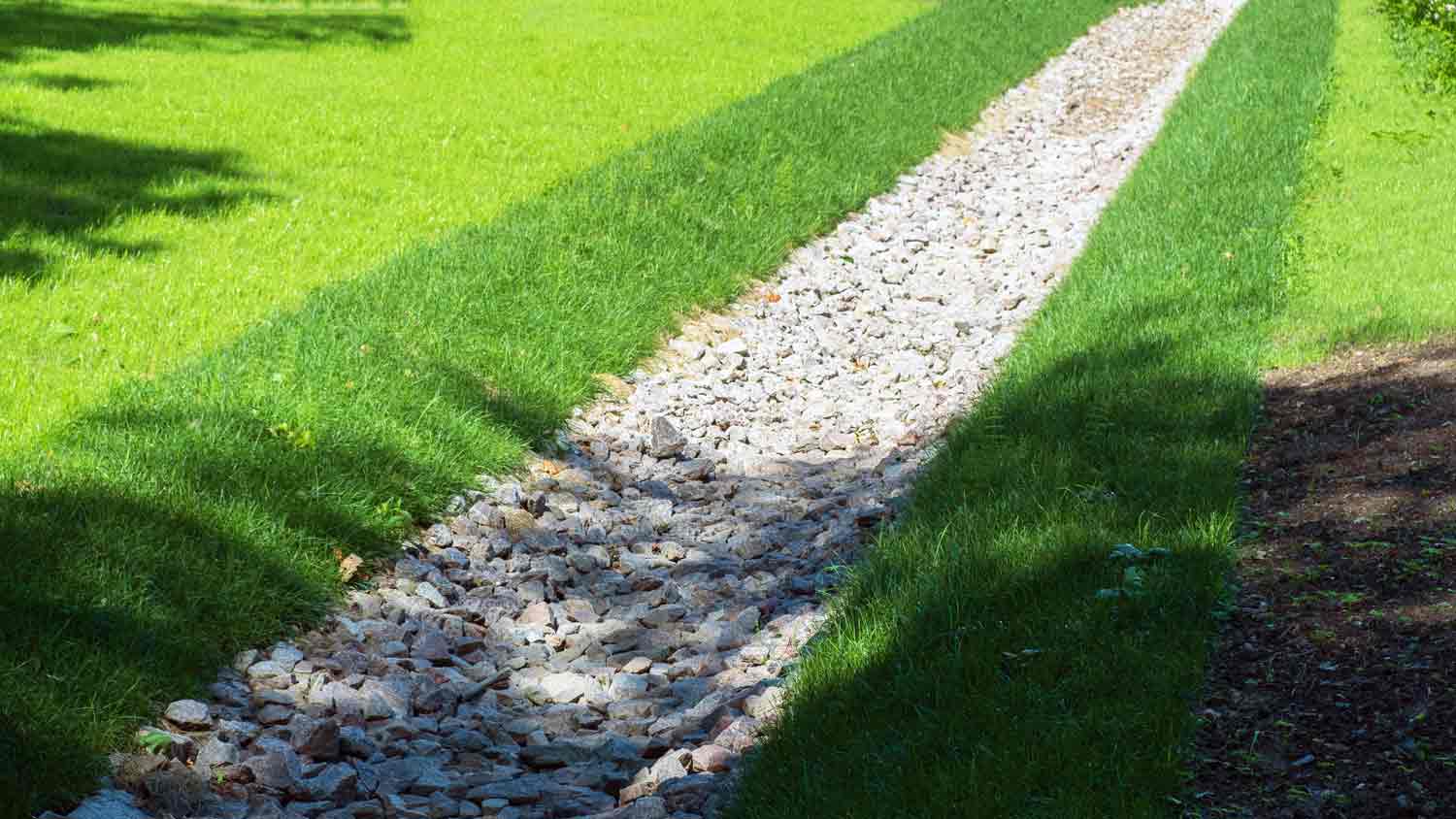
Inspecting and cleaning your French drain regularly is important for its function and longevity. Learn all about French drain maintenance.
How much water can a French drain handle? Find out a French drain’s drainage capacity and the factors that impact it.
You’ve decided on a French drain system but need to determine whether the drain holes should face up or down. Our guide can point you in the right direction—literally.