Top-Rated Animal fencing pros in Edgeley - Updated Nov 2026
No results for Animal fencing pro in
Try adjusting your search criteria.
Animal Fencing FAQs, answered by experts
Whether you, your dog, or your cat has been sprayed, Poison Control recommends using a solution of 1 quart of 3% (household strength) hydrogen peroxide, ¼ cup of baking soda, and 1 teaspoonful of liquid dish detergent mixed together and immediately applied to the sprayed fur or skin to get rid of skunk smell. After leaving it on for five minutes, rinse with water. If your eyes get sprayed, rinse for at least 15 minutes with room-temperature water.
Iguanas cause a variety of damage to properties and pose other dangers. Their tunnels can collapse seawalls and foundations. They destroy native plants, trees, gardens, and agriculture. They compete with native animals for food. Their droppings, left almost anywhere, can transmit salmonella which is especially dangerous to vulnerable groups like children and the elderly.
There isn’t one best type of trap for an armadillo. However, Havahart and Tomahawk live wire cages are popular two-door brands commonly used for armadillos. One study suggests wooden traps with armadillo scent on them can increase the chance of success. It’s worth inquiring whether your local wildlife extension has scented traps or wire types available for rent.
It’s debatable, but most will say either termites or bed bugs are the hardest to remove. When dealing with termites, you must find the central nest (as opposed to satellite nests) and exterminate the queen and all potential queens, which often takes the work of a specialist. Bed bugs, meanwhile, are incredibly hardy, good at hiding, and resistant to pesticides, so it takes very careful, very thorough work to get rid of them permanently.
Raccoons are primarily crepuscular and nocturnal, meaning they are most active at dawn, dusk, and throughout the night. While less common, they may come out during the day to find food, especially in warm months or during the spring birthing season (April and May) when caring for their young. Seasonally, raccoons are active year-round and do not truly hibernate. However, during periods of severe cold, they will often remain in their dens for extended periods.
The Edgeley, ND homeowners’ guide to animal fencing services
From average costs to expert advice, get all the answers you need to get your job done.
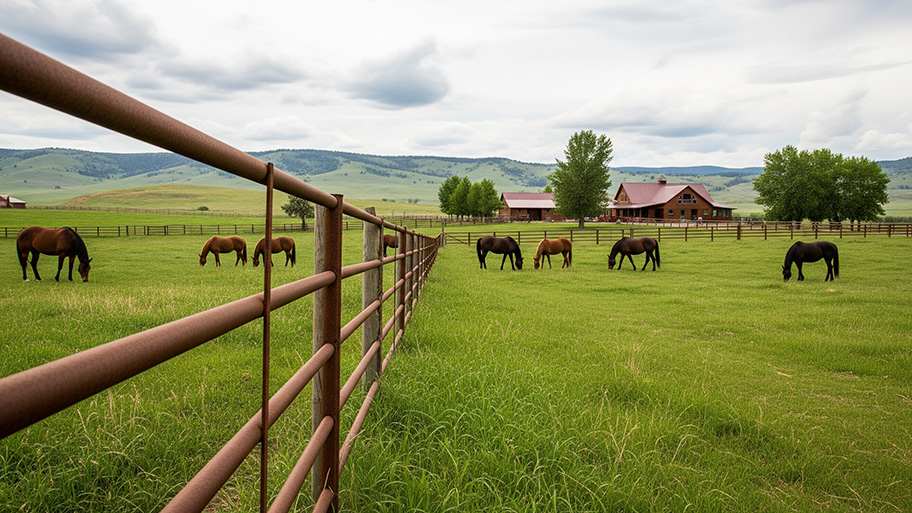
Pipe fencing is an extremely strong, durable option for containing horses and other livestock. This guide breaks down the factors that affect pipe fence cost.