The cost of pest control services depends on various factors, but the average homeowner pays around $175, with a typical range of $100 to $500. Your final cost will be influenced by the type of pest, the size and severity of the infestation, and the number of treatments needed.
Service costs also vary by frequency:
One-time service: $300–$550
Initial visit for ongoing service: $150–$300
Monthly visits: $40–$70
Quarterly visits: $100–$300
Annual visits: $300–$550
For specific pest examples, getting rid of spiders typically costs between $100 and $300, whereas a termite infestation can cost from $230 to $2,500 or more, depending on the extent of the damage.
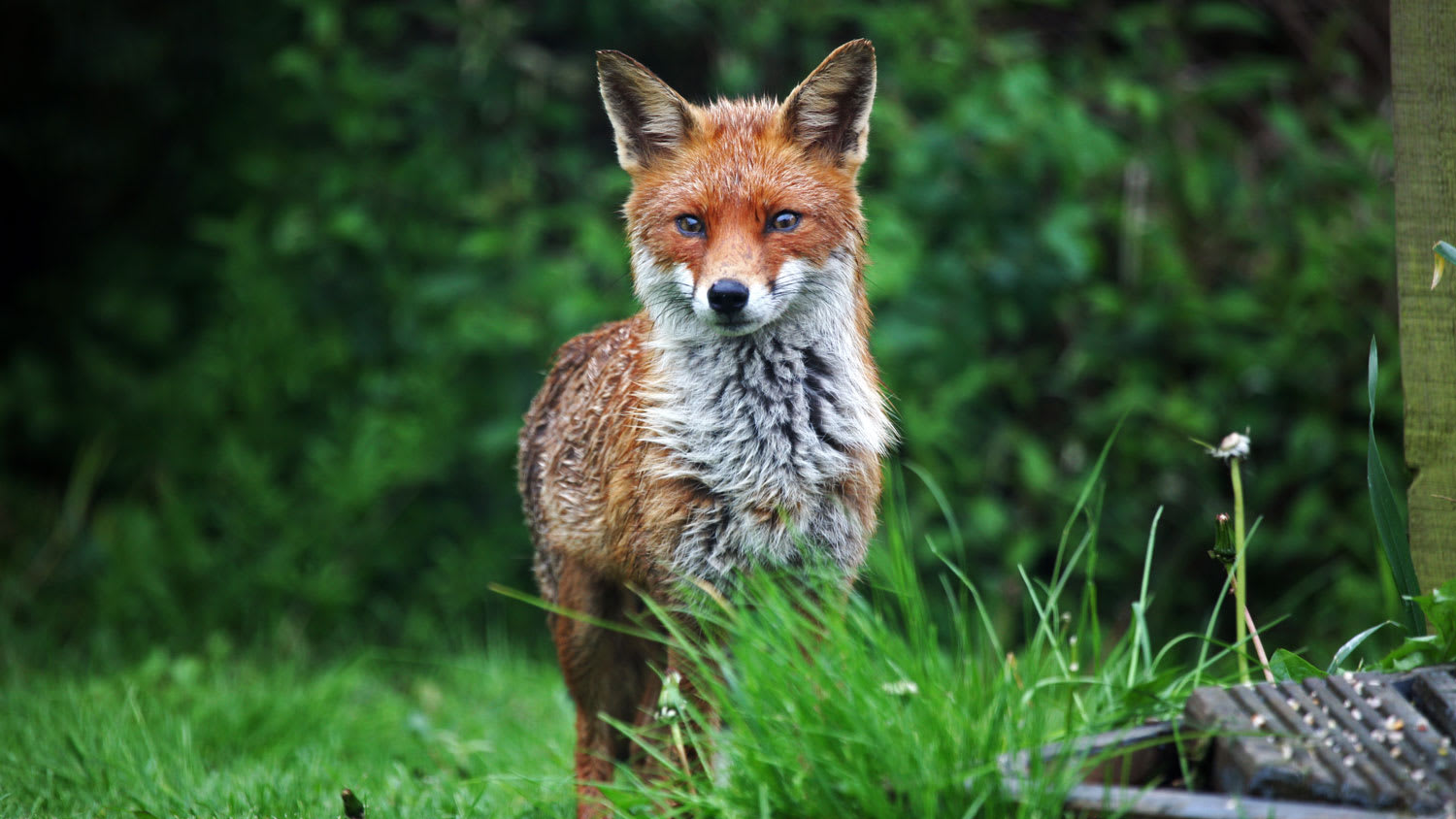
Vinegar can keep some animals at bay, like deer, rabbits, foxes, and raccoons. Keep in mind that your household pets, like cats and dogs, also don’t like the smell of vinegar. You can soak rags in white vinegar and put them up around your garden beds to keep the pesky critters from eating your plants.
Squirrels follow a diurnal routine like humans, remaining quiet at night because they sleep. Homeowners concerned about squirrels in their homes are more likely to hear these critters in the early morning when they awaken, eager to start their day and search for sustenance. As the sun sets, squirrels wrap up their daily endeavors and return to their cozy nests for the night's rest.
As with anything ingested by animals, there is always a chance that mushrooms will be toxic. Clearing the tops of mushrooms from the soil to prevent them from being eaten by pets is always a good idea. Since poisonous mushrooms can be deadly, we recommended that any mushroom ingestion is treated as a veterinary emergency. Watch for signs of lethargy and digestive distress in any animal suspected to have eaten a mushroom and contact your vet immediately.
Armadillos have very strong smelling capabilities to track down insects efficiently. But this superpower is actually a double-edged sword because their extreme sense of smell also causes them to be more sensitive and deterred by strong odors. To keep them at bay, you can place small amounts of substances like vinegar, ammonia, and mothballs around your property and near armadillo hotspots.
Although you can technically flood an armadillo out of its hole, it’s important to remember that this can be potentially fatal to the animal. Armadillos sleep between 16 and 18 hours a day, and if you perform this technique while they’re deep in sleep, they may not awake soon enough to save themselves.
The Britton, SD homeowners’ guide to animal fencing services
From average costs to expert advice, get all the answers you need to get your job done.
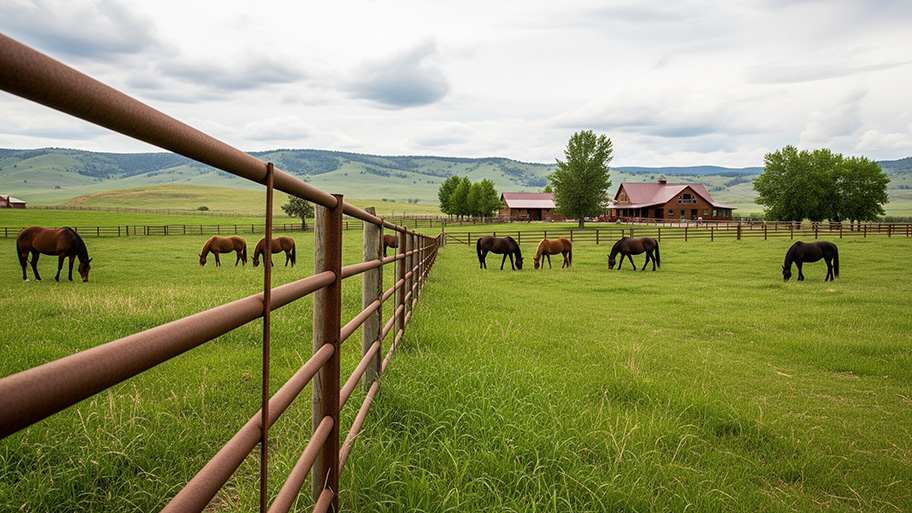
Pipe fencing is an extremely strong, durable option for containing horses and other livestock. This guide breaks down the factors that affect pipe fence cost.