While you may be hearing squirrels running around your attic at night, these animals are usually more active during the day. If you hear scratching sounds in your attic at night, it’s mostly likely a mouse, raccoon, or bat. Investigate your roof, attic, and other entrances to your home to find signs that indicate the presence of squirrels or other pests.
If a coyote approaches you, never run away, even if it goes against your natural instinct. Make yourself look big, shout loudly, and throw something in the coyote's direction. Be persistent and continue these scare tactics until they move away. Then, you should move away slowly, always facing the coyote.
There are DIY methods and store-bought pesticides available for the public to use. However, these pesticides also come with a risk, and you need to follow the directions correctly and take precautionary measures to prevent exposure to these chemicals. These methods may be an option for small pest problems, but you should call in a pest control specialist for persistent pests and infestations.
Iguanas cause a variety of damage to properties and pose other dangers. Their tunnels can collapse seawalls and foundations. They destroy native plants, trees, gardens, and agriculture. They compete with native animals for food. Their droppings, left almost anywhere, can transmit salmonella which is especially dangerous to vulnerable groups like children and the elderly.
If the cat is stray (you noticed a collar or other signs of domestication), the kind thing to do is to try and find the owner. Call around to other neighbors to see if they can lead you in the right direction. If you can get close enough to snap a picture, try posting an image of the cat to local community groups and pages on social media.
If the cat is feral, you can try to humanely trap them and participate in a local shelter’s TNR program. Before attempting capture, call around to local rescues and shelters to make sure one near you does participate in a TNR program. They may even be able to catch the cat for you.
The Bowdle, SD homeowners’ guide to animal fencing services
From average costs to expert advice, get all the answers you need to get your job done.
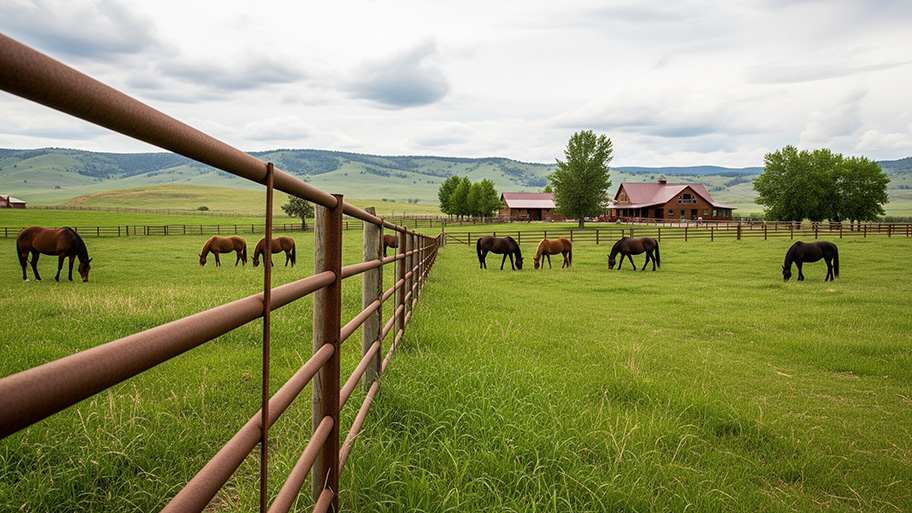
Pipe fencing is an extremely strong, durable option for containing horses and other livestock. This guide breaks down the factors that affect pipe fence cost.