As a general rule, if you hear an animal in your attic, don’t assume it will stay there. Animals are drawn to warmth and food sources, which could lead them to other parts of your house. In particular, it’s likely that small pests such as rats and mice that only need tiny gaps to squeeze through will end up in your walls and ductwork. Larger animals like raccoons may be limited to an enclosed attic.
Regular cleaning, proper food storage, sealing entry points, and professional inspections help prevent infestations.
Natural swimming pools are designed to deter pests, including mosquitoes. While any body of water can potentially attract pests, the natural filtration system keeps the water clean and constantly moving. Mosquitoes specifically are attracted to standing water, so the continuously circulating water in a natural pool makes it an inhospitable environment for them.
According to the Internet Center for Wildlife Damage Management, no frightening devices are proven effective for squirrel control. This is likely because the squirrels quickly become habituated to the noises. However, strobe lights show some promise, so motion-activated lighting could be an option worth considering as part of your integrated pest management strategy.
Armadillos have very strong smelling capabilities to track down insects efficiently. But this superpower is actually a double-edged sword because their extreme sense of smell also causes them to be more sensitive and deterred by strong odors. To keep them at bay, you can place small amounts of substances like vinegar, ammonia, and mothballs around your property and near armadillo hotspots.
Although you can technically flood an armadillo out of its hole, it’s important to remember that this can be potentially fatal to the animal. Armadillos sleep between 16 and 18 hours a day, and if you perform this technique while they’re deep in sleep, they may not awake soon enough to save themselves.
The Ashley, ND homeowners’ guide to animal fencing services
From average costs to expert advice, get all the answers you need to get your job done.
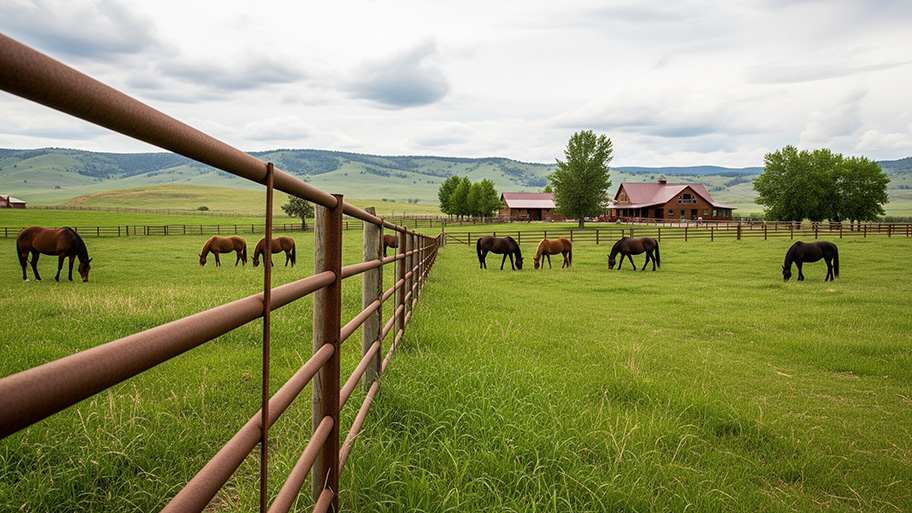
Pipe fencing is an extremely strong, durable option for containing horses and other livestock. This guide breaks down the factors that affect pipe fence cost.