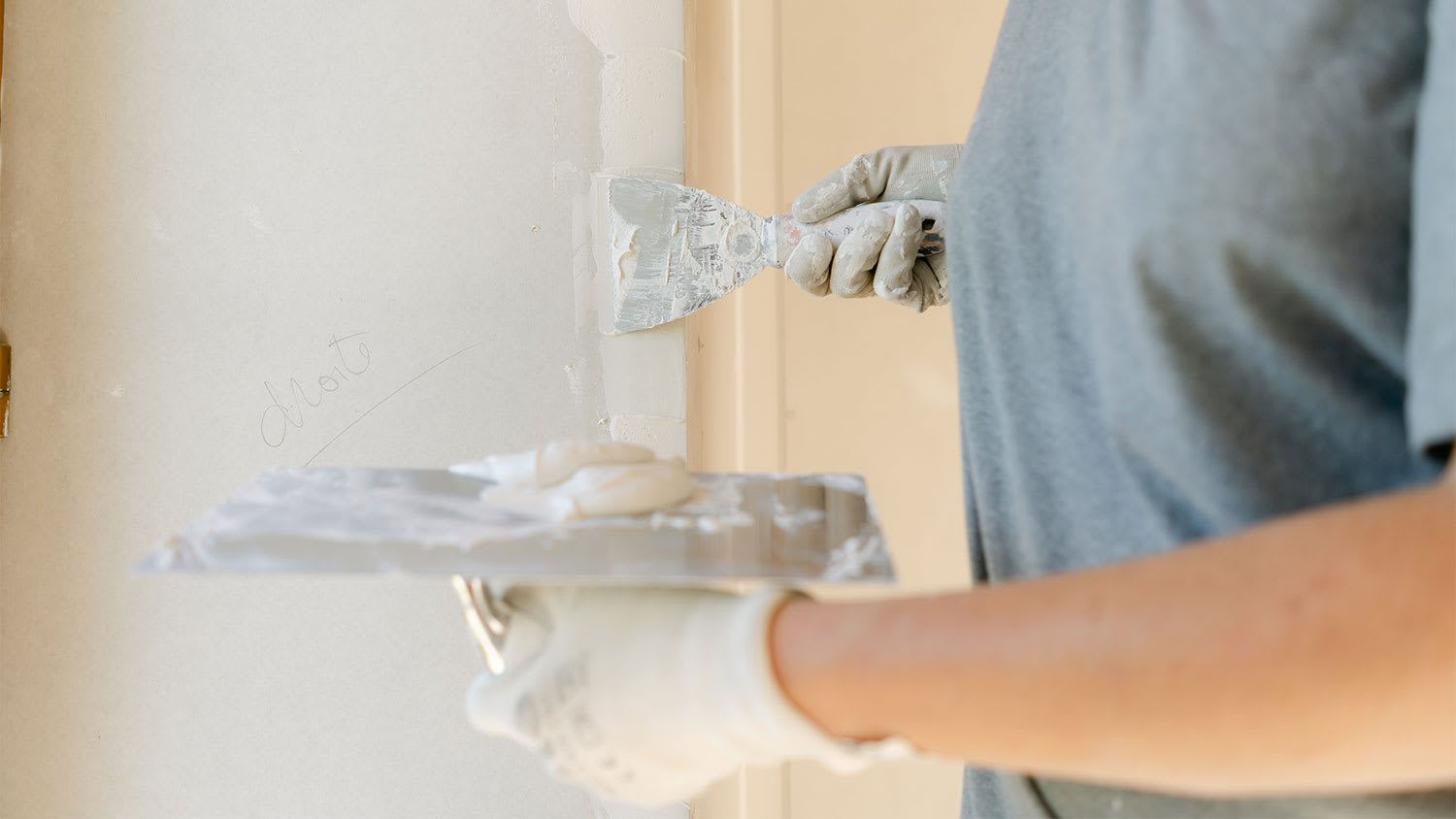
We here at Veras Construction take pride our work and always pay attention to the minor details. Our customers know they can rely on us no matter what the project may be. We are always going the extra mile to ensure quality on everything we do. For prompt and professional work, call us today for your painting needs.
We pride our company on reliability, great communication, integrity, and quality work. We are experts in our trade and will do our best to keep you as educated as we can on your particular task or project. We look forward to earning your business!
We pride our company on reliability, great communication, integrity, and quality work. We are experts in our trade and will do our best to keep you as educated as we can on your particular task or project. We look forward to earning your business! Book with us online or feel free to give us a call today!
\n
\n
We serve North Dakota with best in class service for roofing, drywall and plaster projects. Call us so we can show you why our 25 years of experience will help you get the job done right the first time. Let us show you why most of our first time customers become long term clients!
Im 38 and have been in the construction industry since I was 10. I've worked for Redlin Johnson for 5 years as well as Western Products for 5 year, also All New Gutter for 2 years. I wont tackle a job I cannot do and Im very honest and transparent about everything and warranty my work.
Applying plaster to a wall will usually cost between $2 and $10per square foot for both the material and labor. The cost will vary based on the quality of the plaster you’re using and whether or not prep work is required before the work begins. Wall prep can add up to about 10% to your total costs. Plastering exterior walls can be more expensive in many cases because they are taller and require scaffolding and safety equipment.
Smaller is better when patching holes with spackle. Any holes wider than four to six inches in diameter tend to be too wide to repair with spackle alone. You'll likely want to patch bigger holes with a drywall panel.
Even holes measuring up to 6 inches may be challenging to fill with spackle alone. For best results, purchase a wall repair patch made from wire mesh. Cut the patch to fit over the hole, then use the spackle to hold it in place. Apply the spackle over the patch as you would for a smaller hole.
In most cases, plaster repair will improve your home’s energy efficiency because a solid barrier of the insulative material helps keep conditioned air inside your home. Major plaster repair jobs like repairing large cracks or crumbling sections of plaster or applying a skim coat might make a noticeable difference in your heating and cooling bills. Not only can plaster repairs improve efficiency, but they can also reduce strain on your HVAC equipment, potentially saving you money on maintenance and repairs.
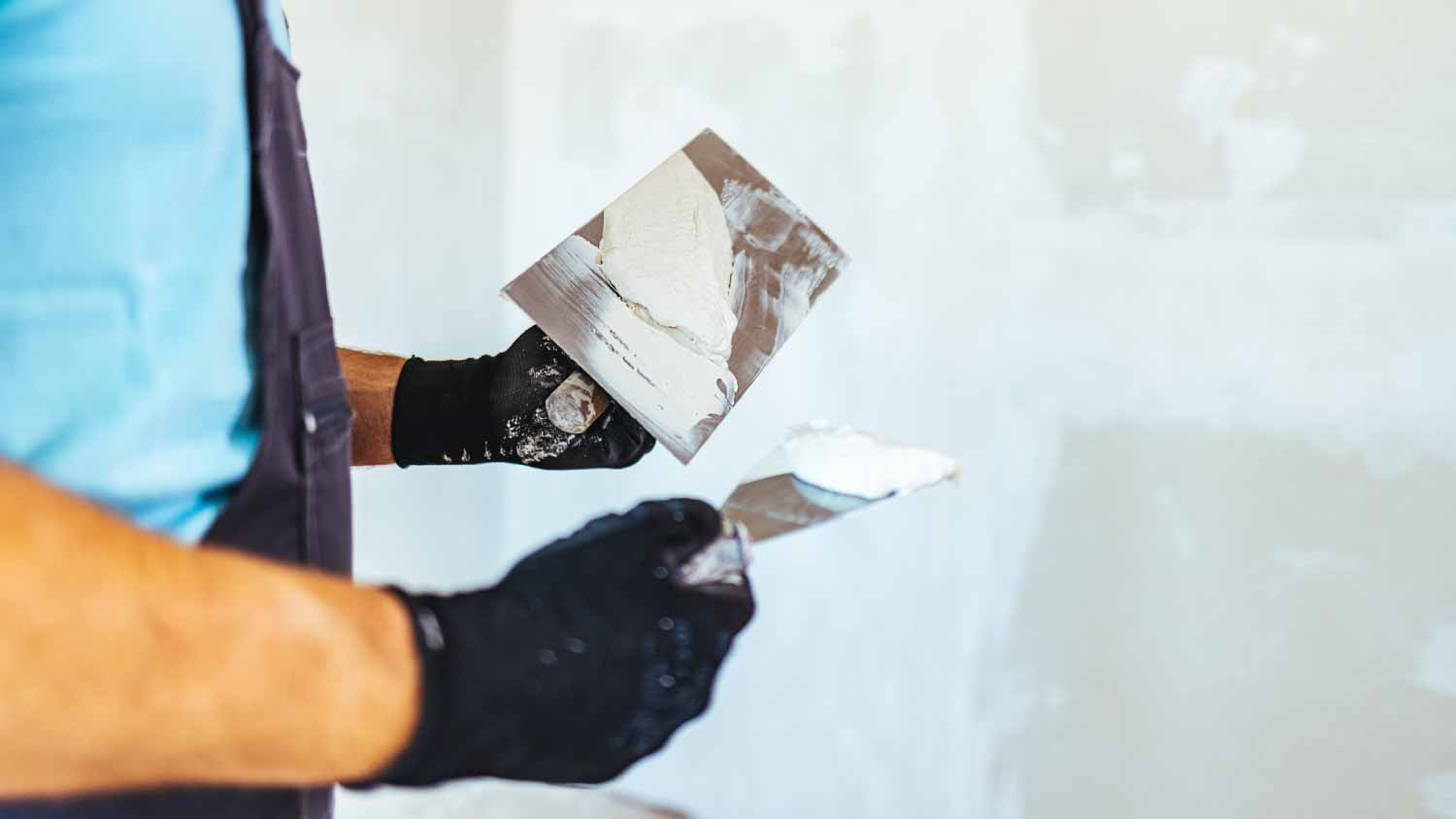
Although they are used for similar tasks, spackle and joint compound are not the same. Joint compound, also known as drywall mud, consists of limestone and gypsum and is primarily used for large-scale projects like taping and finishing seams on new drywall. Spackle is composed of gypsum and binding agents, making it a thicker compound best suited for small wall repairs like filling nail holes or cracks, as it dries quickly and is easy to sand. For small repairs, either product can be suitable. However, you can use joint compound for small jobs in place of spackle, but you cannot use spackle for large-scale taping and mudding projects.
If your premixed drywall mud is dried out or has begun to set in the bucket, you may be able to revive it by adding warm water and stirring. However, the first and most important step is to scrape off any hard, dried bits of drywall that may have accumulated toward the top of the container and throw them away because they will not easily reconstitute back into the drywall mud mix.
The Edgeley, ND homeowners’ guide to plaster repairs
From average costs to expert advice, get all the answers you need to get your job done.
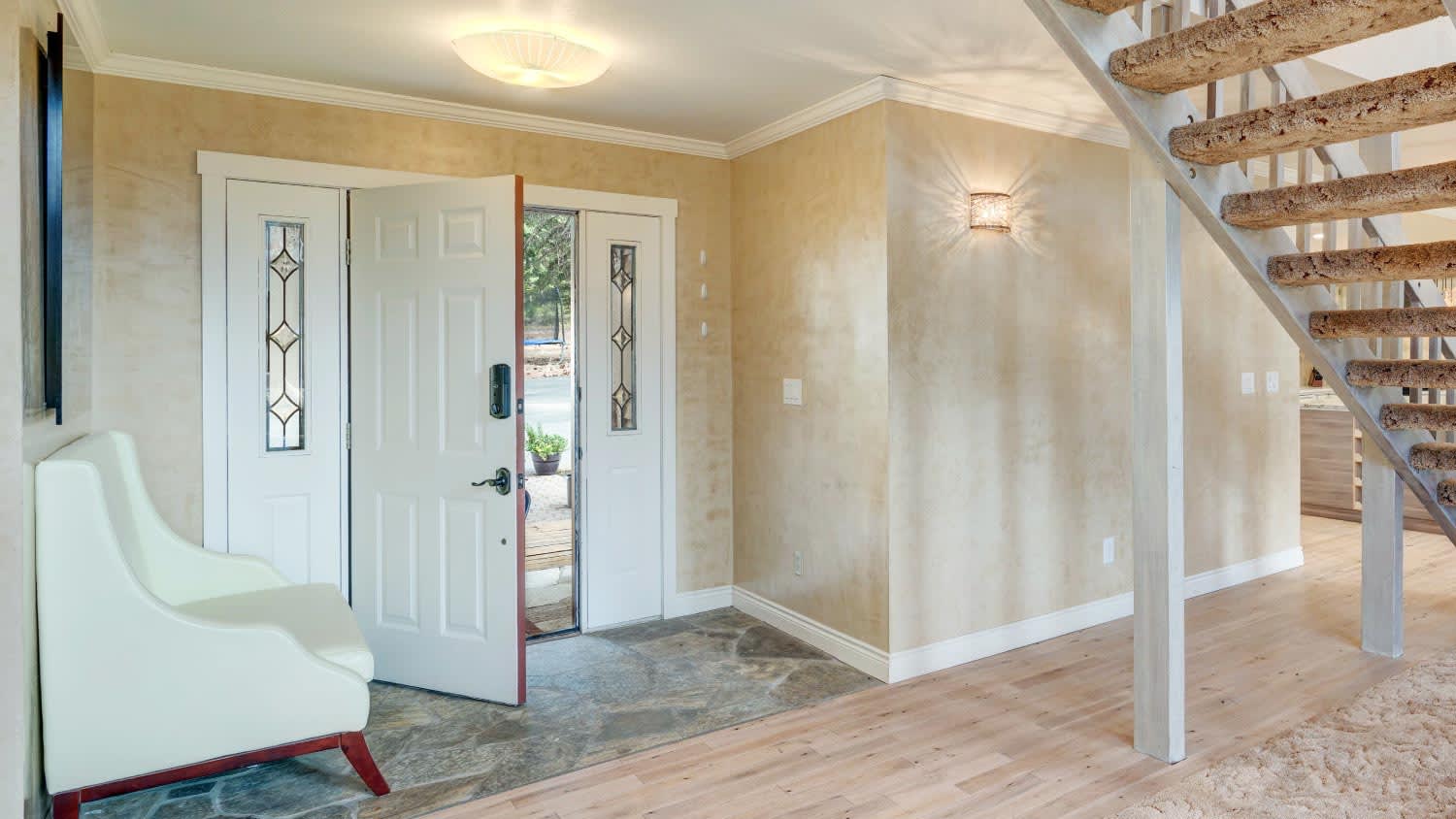
Venetian plaster can add depth and texture to your aesthetic. Learn how much Venetian plaster costs based on factors like square footage and whether you hire a pro to help.
You can find plaster walls in a lot of older homes. What’s behind these walls—whether that’s lath or calcimine—can have an impact on how long they last. Finding out the age of your house can help you determine what you’re dealing with.