Some of the plants listed above, like daffodils, are poisonous to many animals if eaten. But wild animals instinctively avoid them, for the most part. Household pets don’t always have the same survival instinct, which is why it’s a good idea to familiarize yourself with common plants that pose a danger to cats and dogs.
Some snake repellents are risky to use around people and pets because they use the active ingredient in mothballs, naphthalene. The United States Environmental Protection Agency (EPA) has classified naphthalene as a carcinogen that can cause damage to the liver, neurological issues, and cataracts.
The Colorado State University Extension suggests there’s not enough conclusive evidence of the effectiveness of snake repellents to recommend their use.
In addition to a clean home, fleas dislike oils made from plants that are naturally bug-resistant or poisonous to bugs. That includes myrtle, mint, eucalyptus, and especially cedar oil. Common household remedies like baking soda, garlic and apple vinegar don’t have any effect on fleas. Don’t spray essential oils directly on your own skin or your pets (and their bedding, because it can be a skin irritant. Stay away from tea tree oil. In pure form it can be very toxic to pets. Always ask your vet if you have any questions.
Yes, badgers are aggressive mammals, which is why it’s important to safely remove them from your home or garden area as soon as possible. Keep in mind though, badgers rarely attack pets or people, but their sharp claws and even sharper teeth can make them dangerous if they feel threatened.
Scented mouse deterrents, like peppermint oil, can be effective in the short term. The pungent smells may temporarily repel mice, but they lose effectiveness as the scent fades or mice get used to it. The main drawbacks are frequent reapplication and the fact that these deterrents don't address the root cause of the infestation, such as entry points or food sources. While they can be part of a broader strategy, scented deterrents alone are rarely enough to eliminate a mouse problem.
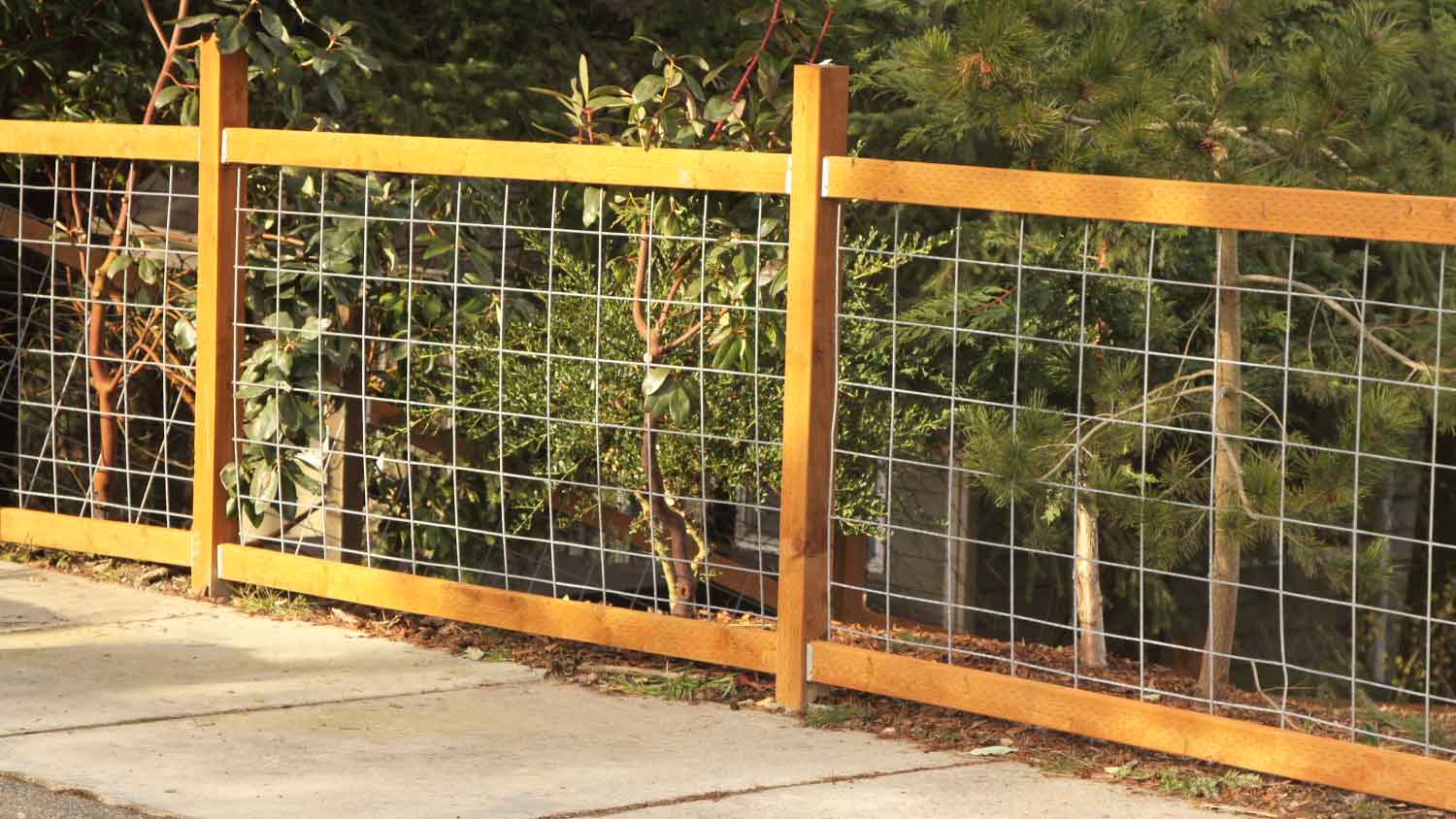
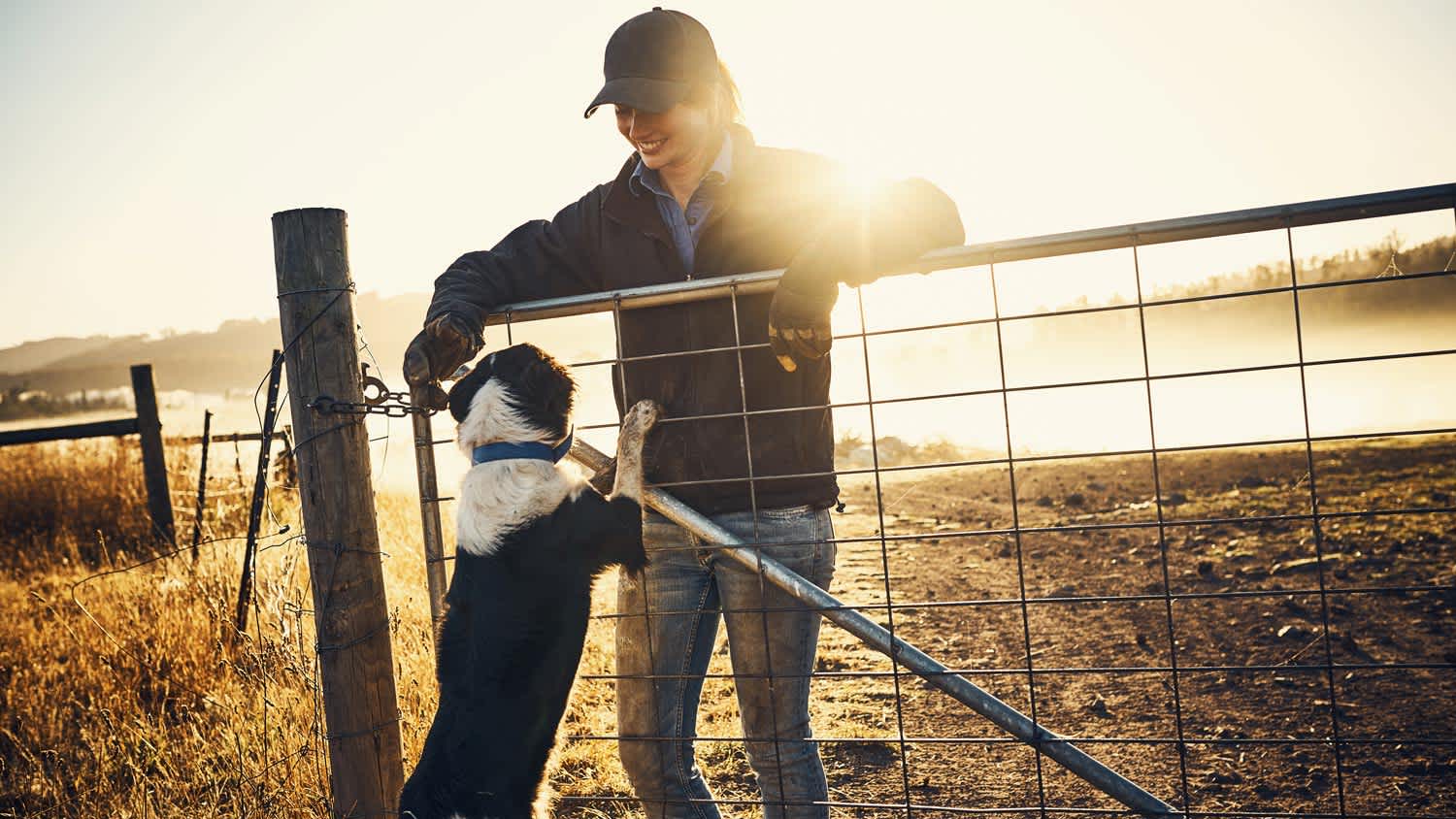
The Ipswich, SD homeowners’ guide to animal fencing services
From average costs to expert advice, get all the answers you need to get your job done.
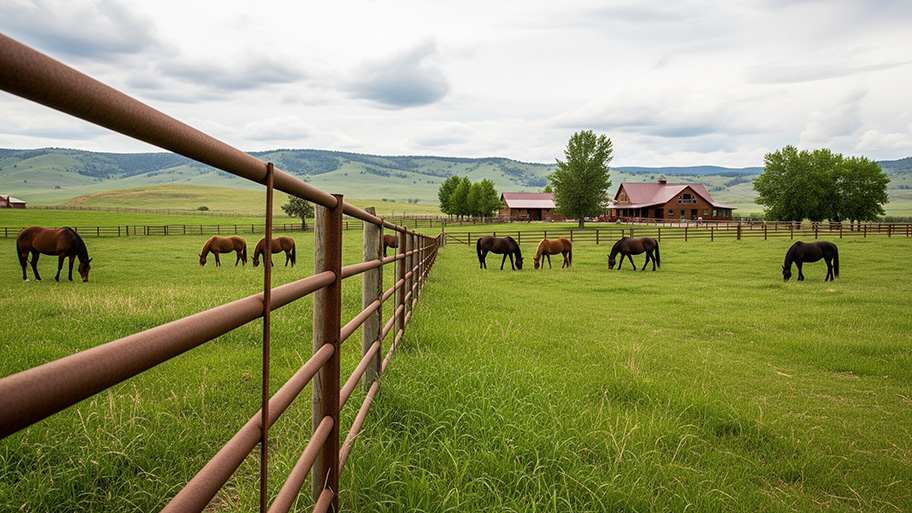
Pipe fencing is an extremely strong, durable option for containing horses and other livestock. This guide breaks down the factors that affect pipe fence cost.