"The technician emptied the freezer, which was in the basement, to work on the part that needed repair. Then he neglected to put anything back into the freezer, including a turkey I had bought for Christmas and a rack of ribs. Two days after he left, I went out of town for two weeks. The turkey actually exploded and spewed its liquid all over everything, which had to be discarded. I let AHS know and they couldn't even bother to call me or follow up on this. I'm considering not renewing my contract with them because of the quality (or lack thereof) of many of the providers they send."
At Luckey's Septic Service, we pride our company on reliability, great communication, integrity, and quality work. We strongly believe in giving our absolute best in all the work we perform. We are experts and will always keep you educated about the work process. We look forward to earning your business.
With over 40 years of experience in the Excavation industry, Helm Excavating INC is your industry expert in Bismarck and the surrounding areas. We pride ourselves on our extreme professionalism and attention to detail. Our customer satisfaction guarantee will assure you we will not leave your property until you are completely satisfied with our work. As a family owned and operated business you can trust that we will treat your home as we would treat our own. Give us a call today we look forward to working with you!
Here at W. Simpson Plumbing Services, LLC, we are a full service plumbing company for both residential and commercial. We are local, family owned and operated, and have a strong focus on customer service. We are fully licensed and ready to take on as much work as possible. Call us today for your free estimate. We look forward to meeting your home's needs.
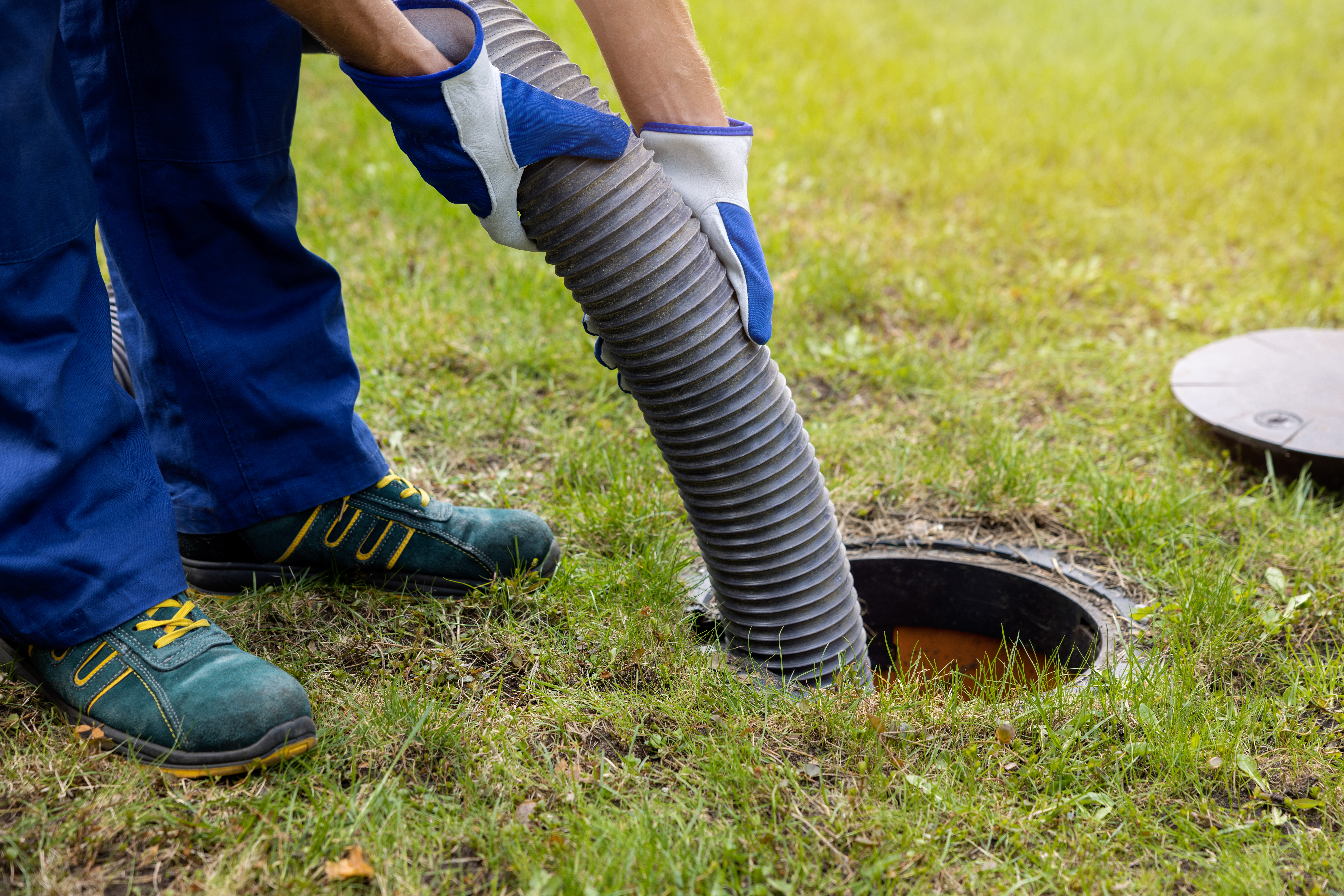
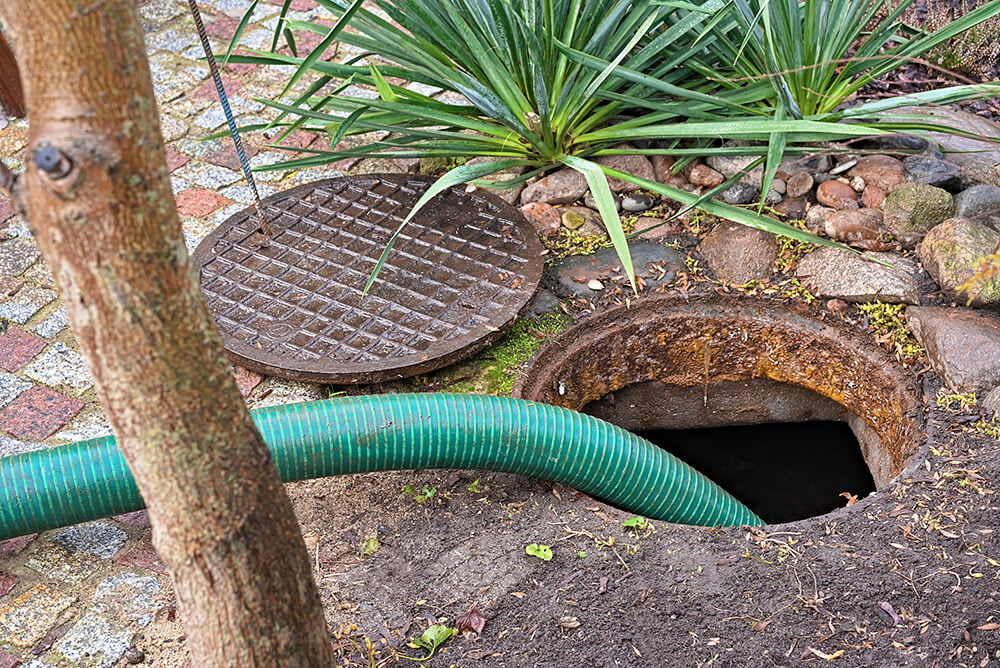
Septic tanks naturally have bacteria that break down some of the solid waste in the septic tank. However, sludge buildup is just part of owning a septic system. While liquid wastewater can be filtered and treated through the system, a septic tank company has to pump the septic tank out at least every few years.
Most deep wells can be expected to last somewhere between 30 and 50 years. This assumes that the well and all of its components are properly maintained on a regular basis. During this time, it is unlikely that modern deep wells will run dry over the course of their typical lifespan. That is one of the biggest benefits of digging a deeper well.
With proper maintenance, most types of septic systems—including mound, evapotranspiration, and constructed wetland systems—can last up to 40 years. To keep your system running as long as possible, follow basic septic tank upkeep guidelines, like pumping your septic tank every three to five years and only flushing human waste and toilet paper.
Common problems include low water pressure, no water, and strange noises. Regular maintenance prevents many issues.
The best times of year to pump or empty a septic tank are spring and fall. Many professionals recommend spring because the ground has thawed, making the tank easier to access, and any snowmelt or rainfall can aid in proper drainage. Pumping before summer is also ideal to avoid conflicts with vacations or outdoor gatherings.
Fall is another great option, as contractors may be less busy than in the spring. Servicing the tank in late fall or early spring can also reduce the risk of overflow from extra precipitation during winter and spring.
While summer is a possibility, winter is generally not recommended. The ground is often frozen, which can make it difficult to access the tank, and the waste inside may also be frozen.
The Edgeley, ND homeowners’ guide to septic tank services
From average costs to expert advice, get all the answers you need to get your job done.
Caring for your septic system is crucial to ensuring its long life. But how much does it cost to pump a septic tank? We explore the different cost factors.
A damaged septic system can leak odors and sewage, so repairs are urgent. Find out how much septic tank repair costs based on repair type, tank size, and more.
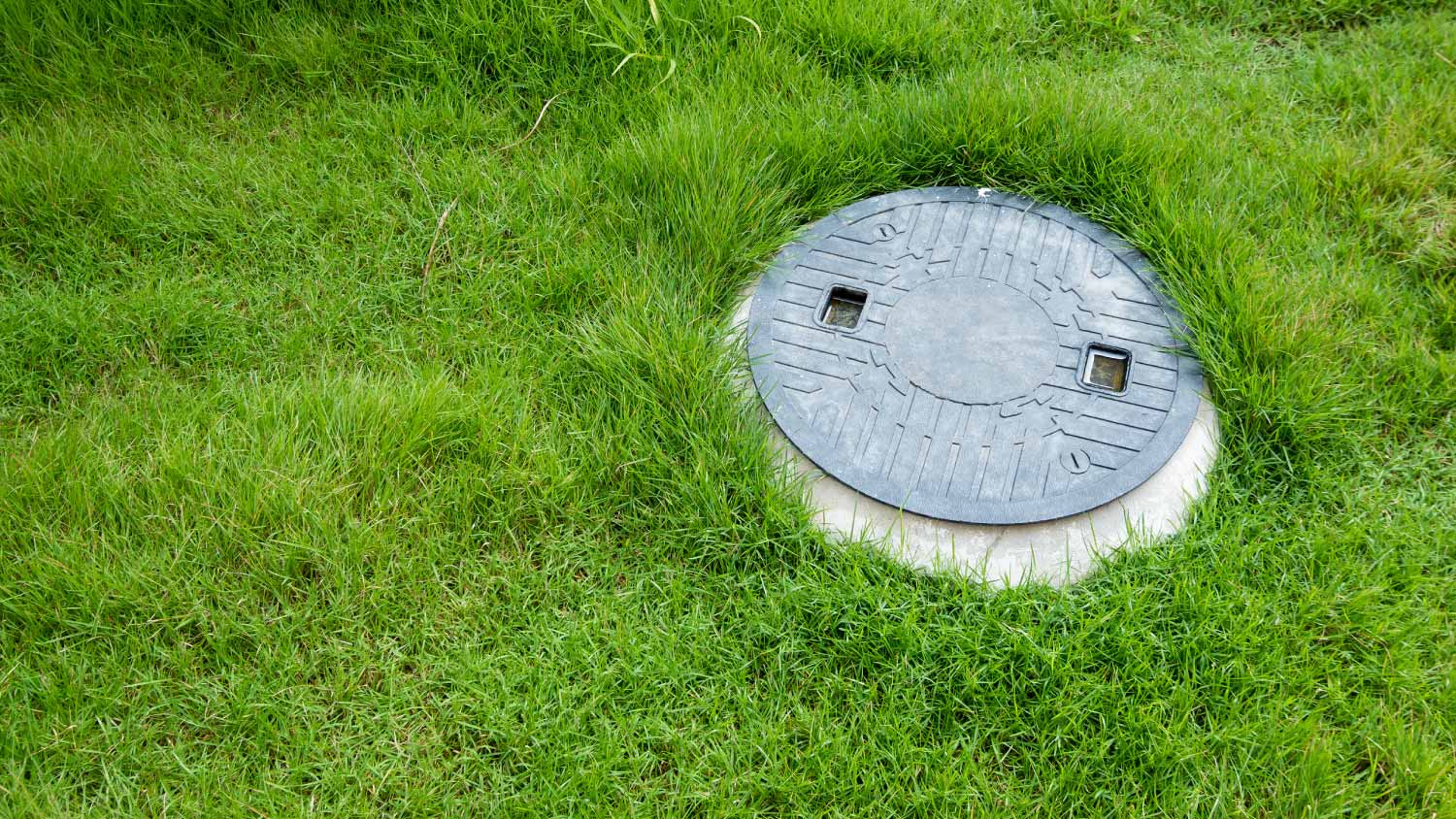
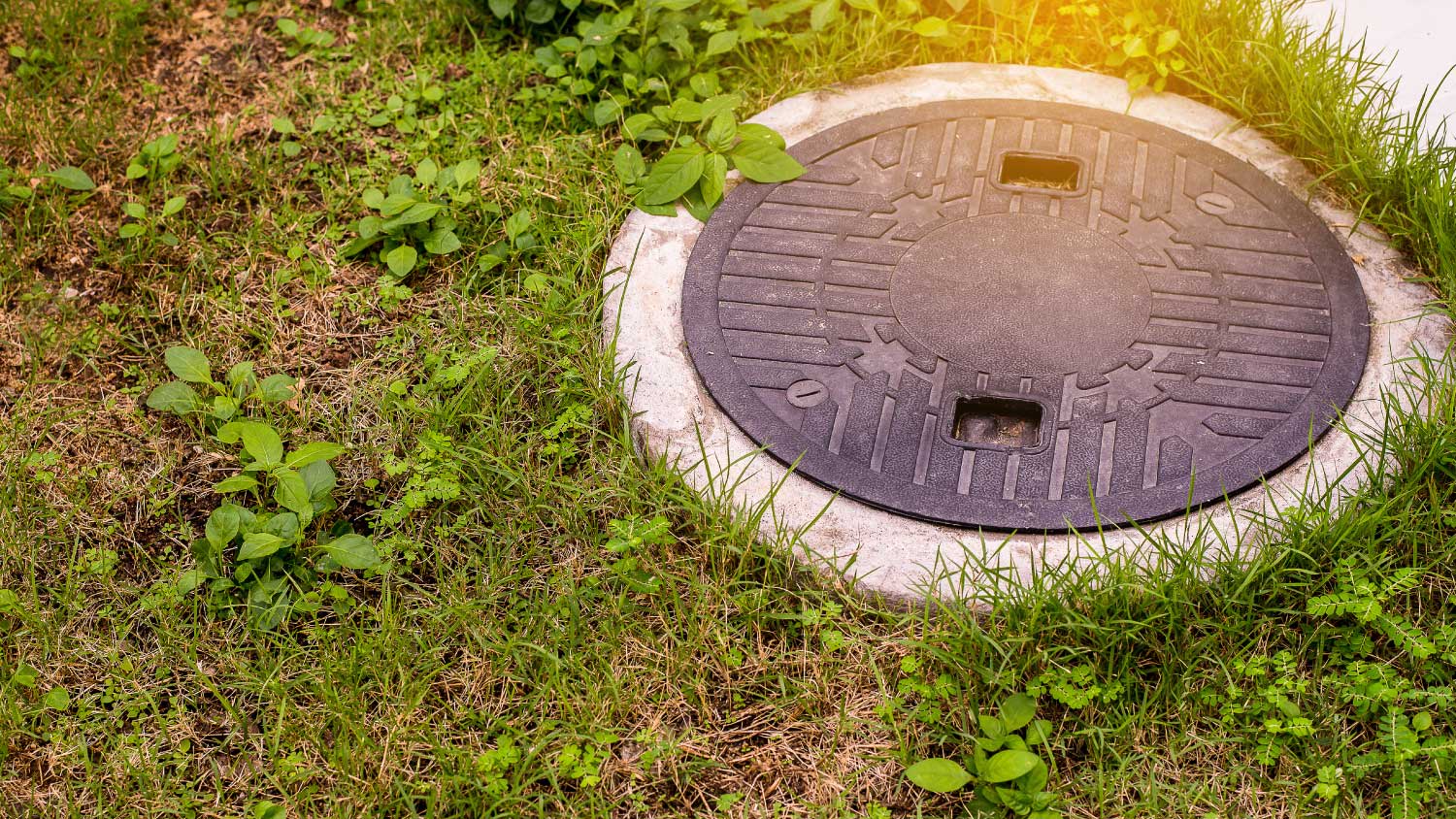
Septic tank risers make it easy to access your septic tank when it’s time for routine inspection, maintenance, and pumping, saving you precious time and labor costs.
Septic tank sizes vary depending on the size of your home, how many people live there, how much water you use, and more. Read on to learn how to determine the right size for you.