Yes, filling gaps can help with pest problems in your home. Sealing baseboard gaps reduces small-insect entry points into your home. Even tiny spaces provide pathways for pests, so addressing all gaps throughout your home creates a more effective barrier than spot treatments in individual rooms.
Animal removal specialists specialize in removing critters and wildlife from in and around your home. These include:
Bats
Birds
Groundhogs
Moles and voles
Opossums
Mice and rats
Raccoons
Skunks
Squirrels
The specialist's method to remove these critters will depend on the animal. For example, groundhogs will be live-trapped and relocated, whereas, for birds, the expert will remove and discard the inactive nest and sanitize the area.
Although raccoons aren’t particularly picky regarding food, certain sounds, metals, and smells bother them. You can place these items around your home to keep raccoons away:
Place wire mesh screens around and underneath decks and porches to prevent raccoons from nesting.
Put metal sheeting around the edges of your roof or at the base of trees to deter raccoons from coming close.
Place a loud battery-operated radio near the raccoon’s den to keep them from nesting.
Keep a bowl of cider vinegar on your deck or porch.
Remove old raccoon scents by thoroughly cleaning and disinfecting underneath porches and decks.
Unlike for rats and mice, poisonous baits and fumigants aren’t a legal option for dealing with squirrel invasions. So, don’t set any traps up using standard rodenticides. Remember that you typically need a permit for trapping and relocating squirrels found on your property. Some states even specify the types of traps you need to use.
Skunks are nocturnal creatures, meaning they are primarily active at night, particularly around dusk and dawn. Their activity levels increase as the weather warms up, and they are generally dormant or inactive during the winter. Skunks are especially active during the spring months when they are foraging for fresh food and seeking mates. While they are typically not seen during the day, daytime activity is possible if a skunk is having trouble finding food, has babies to care for, or is severely ill.
The Mina, SD homeowners’ guide to animal fencing services
From average costs to expert advice, get all the answers you need to get your job done.
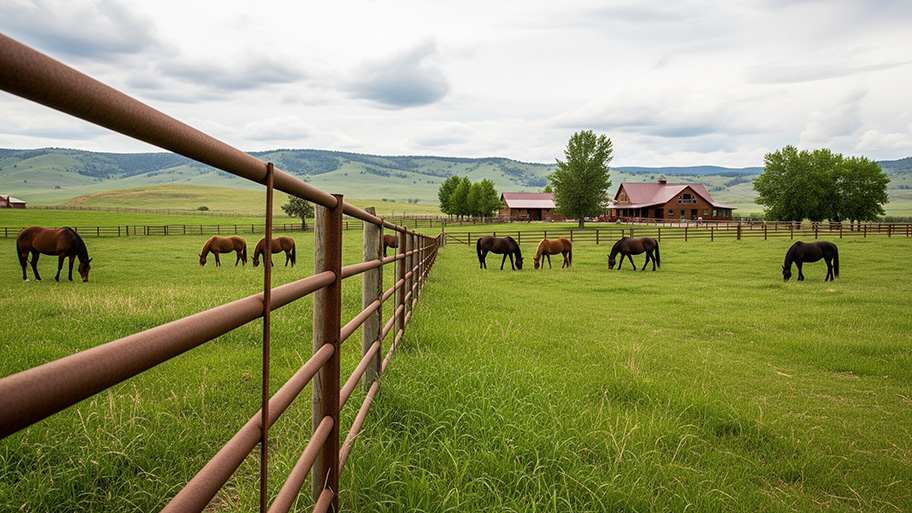
Pipe fencing is an extremely strong, durable option for containing horses and other livestock. This guide breaks down the factors that affect pipe fence cost.