






Top-rated excavation pros.

Get matched with top excavation pros in Seagrove, NC

Enter your zip and get matched with up to 5 pros

Need a pro for your excavation project in Seagrove, NC?

Select your specific project to find the pro for you.

Find Excavation pros in Seagrove

M&D Property Solutions
4.5(
23
)
Building Site - Preparation and ClearingBuilding Site - Preparation and Clearing - For BusinessLandscape - Minor Grading or Resloping

Serving Seagrove, NC and surrounding areas

Approved

In business since 2017

Emergency services offered

Warranties offered

"Needed fencing installed to keep groundhogs from taking up residence under our deck. Brady came up with a creative and complete solution that made sure the varmints were out and would not return. Would use again."
Master bedroom
Master bedroom
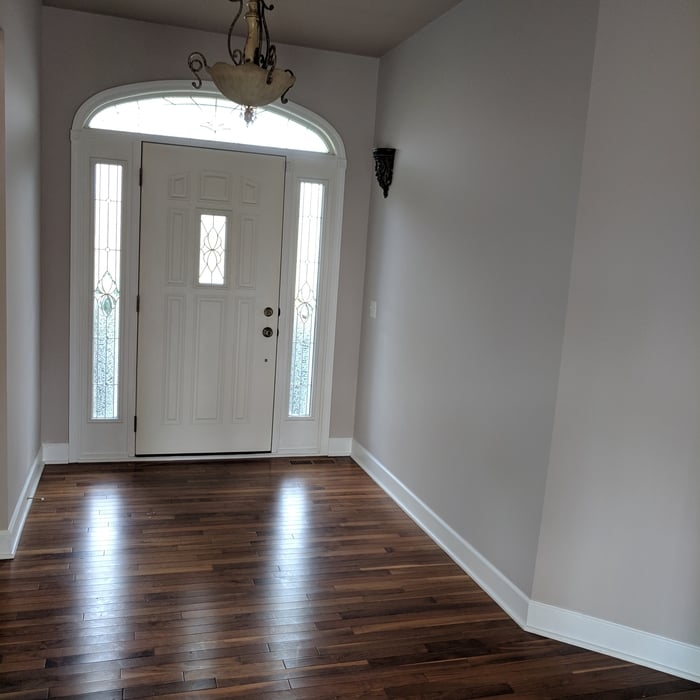
Front hall
Living area
Entry

+10

Response time1 day
2 neighbors recently requested a quote
Recommended by100%of homeowners
Avatar for Buffalo Creek Land Management
Buffalo Creek Land Management
5.0(
5
)
Building Site - Preparation and ClearingBuilding Site - Preparation and Clearing - For Business

Serving Seagrove, NC and surrounding areas

Approved

Emergency services offered

Small jobs welcome

Credit card accepted

At Buffalo Creek Land Management L.L.C., we specialize in reliable, high-quality land services across Hoke County and surrounding areas. Our team provides expert land clearing, forestry mulching, grading, and brush removal, demo and excavation for homeowners, farmers, and developers.

Pond build
Pond build
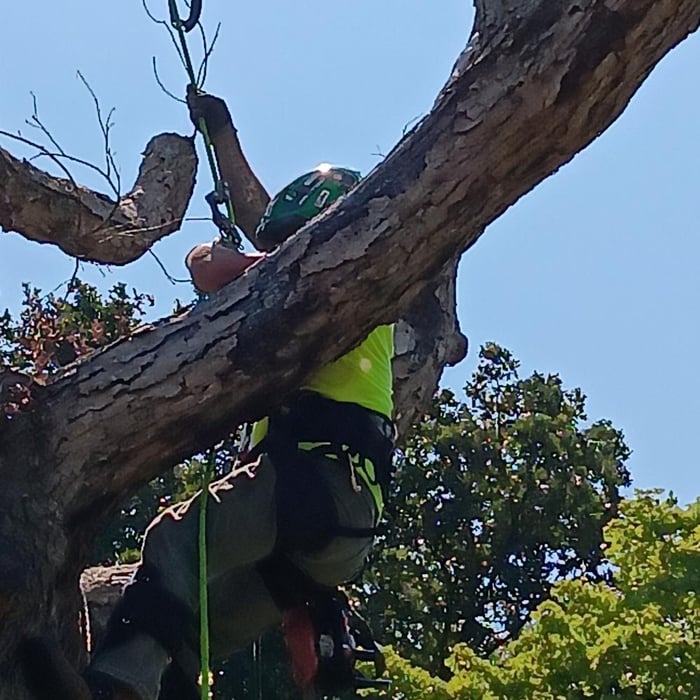
Tree removal
3 neighbors recently requested a quote

...
Showing 1-10 of 87
Excavating questions, answered by experts

The best method for digging a trench depends on the scope of the project. For a short, shallow trench (less than 2 feet deep) in light, soft soil, digging by hand may be sufficient. However, digging by hand is labor-intensive, so consider the effort required. A machine trencher is the better option for longer trenches (over 100 feet), deeper ones, or when dealing with difficult soil conditions, such as rocky or hard ground, or obstructions like tree roots. A machine can save significant time and energy in these situations.

There are several different factors that influence how long it takes to excavate. For a foundation, it could take anywhere from three days to three weeks. It can take even longer if you face weather-related delays or an inaccessible site that’s riddled with boulders and rough terrain. It may also take longer if you have clay soil, which is more difficult to dig.

Excavation and grading are both generally necessary for designing your foundation, and leveling the ground where your foundation will go. These steps can also prepare the area by removing vegetation and anything else that could interfere with your home’s foundation.

The best way to protect tree roots is to avoid the roots entirely by excavating outside the root radius of the tree. For nearby projects, it’s a good idea to construct a temporary retaining wall. But that’s not always possible, depending on the project and the root system. In these cases, consider using alternative equipment like an auger to tunnel under the ground.

Remember, tree roots can damage nearby cement foundations as they grow. If a tree is close enough to interfere with large excavations, it may be better to remove the tree than risk future problems.

There is no standard depth for burying a septic tank; they are typically buried anywhere from 4 inches to 4 feet underground. The final depth depends on several factors, including the depth of your main sewer line, the height of the bedrock, soil type, local regulations, and the property's landscape. If you plan to grow grass or plants over the tank, a depth of at least 4 to 6 inches is recommended. Deeper tanks can be more difficult to locate, but a septic professional can help find it for you.

The Seagrove, NC homeowners’ guide to excavation services

From average costs to expert advice, get all the answers you need to get your job done.