





Top-rated drywall pros.

Get matched with top drywall pros in Graham, NC

Enter your zip and get matched with up to 5 pros

Need a pro for your drywall service project in Graham, NC?

Select your specific project to find the pro for you.

TRUSTED BY GRAHAM, NC HOMEOWNERS

  • Average homeowner rating star icon4.7
    Average homeowner rating
  • Verified reviews icon81
    Verified drywall services reviews

Find Drywall pros in Graham

Avatar for Cransten
Cransten
4.5(
189
)
Drywall - Repair

Serving Graham, NC and surrounding areas

Approved

Super Service Award Winner

In business since 2016

Free estimates

Emergency services offered

"I could not be more pleased with my bathroom renovation. Joels’work ethic is exemplary. He is a seasoned craftsman, professional and courteous. Joel was very respectful of my home and kept his working area very clean and tidy. He worked diligently each day until the project was complete, which was finished ahead of schedule. Joel is a great asset to this company. They are very fortunate to have such a skilled employee."
Additional Photos
Additional Photos
Additional Photos
Additional Photos
Additional Photos

+18

Response time1 day
Response rate100%
4 neighbors recently requested a quote
Avatar for LaneShea Endeavors Inc
LaneShea Endeavors Inc
5.0(
11
)
Drywall - Install

Serving Graham, NC and surrounding areas

Approved

In business since 2020

Free estimates

Warranties offered

"Elite Home Improvement Group - they did a great job, very pleased with the work completed. Will be calling again - they did flooring, door work, trim work - excellent, baseboards, painted, drywall repaired and I am so happy with them. Good over all - they do it all! Attention to detail and listened to me. Great communicator! Personable and trustworthy!"
Response time2 days
4 neighbors recently requested a quote
Recommended by100%of homeowners
...
Showing 1-10 of 239
Drywall questions, answered by experts

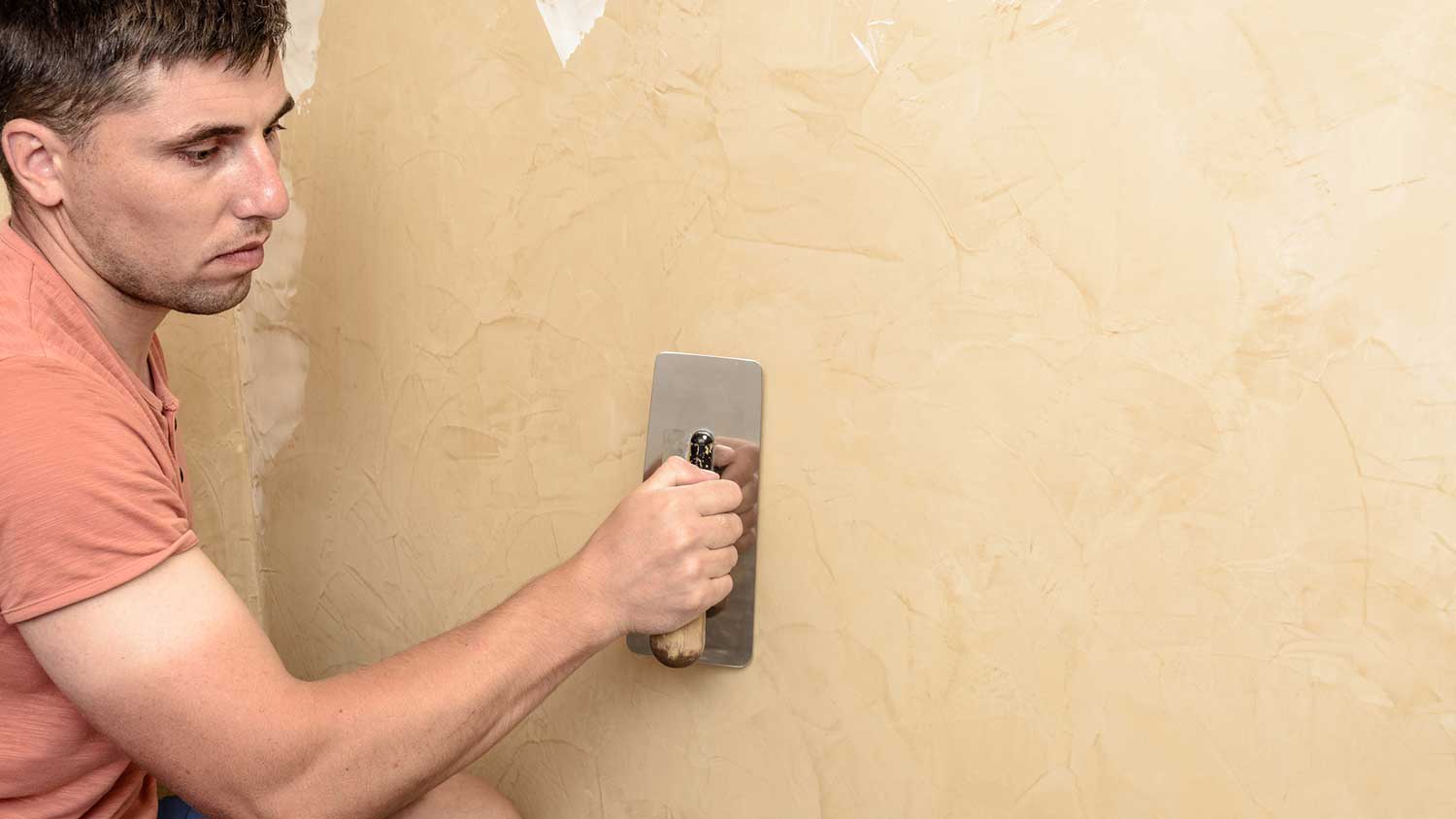
Plastering and skimming are two different techniques for finishing walls. Plastering involves applying a thick layer of a plaster mixture—typically containing gypsum, lime, cement, sand, and water—to create a new surface. This process often requires multiple coats and is used for repairing significant damage or creating decorative textures. Skimming, on the other hand, is a technique that involves applying a thin layer of drywall compound or joint compound over an existing surface to smooth it out, covering minor imperfections, small cracks, or uneven textures for a polished look. Plastering is generally more costly and labor-intensive than skimming. Although some people use the terms interchangeably, they refer to different processes and materials.

All plaster walls will crack over time due to normal house settling and expansion and contraction from temperature and moisture changes. Small, thin hairline cracks are generally not serious and are mostly a cosmetic issue. However, larger or more significant cracks can indicate structural problems.

Here's how to tell the difference:

  • Cosmetic Cracks: Cracks that are 0.5 cm (0.2 inches) or thinner are typically cosmetic.

  • Structural Cracks: Cracks wider than 0.5 cm, excessive or deep cracks, multiple cracks in the same area, or cracks that span around corners can signify a structural or foundation issue. Cracks along the joints where walls meet the ceiling also warrant attention.
For cracks wider than 0.5 cm, structural repair is needed. If a crack is 2.5 cm (1 inch) or wider, or if you notice any signs of a structural problem, it is best to contact a plaster repair professional to assess the damage.

Furring strips, thin strips of wood or metal, are not always required for ceiling drywall installation. If the ceiling surface is even and in good condition, drywall can be directly attached to the ceiling joists using screws. However, furring strips become essential when dealing with irregular surfaces or when additional insulation or soundproofing is needed. They create a level substrate for attaching the drywall. Ultimately, the decision to use furring strips depends on the condition of the existing ceiling and the specific requirements of the project.

While every home has its own unique needs, ceiling drywall installation typically follows a staggered or stepped pattern to enhance structural integrity and reduce the visibility of seams. Starting from one corner, sheets are placed perpendicular to the ceiling joists, with the ends of adjacent sheets meeting along the center of the joist. The next row begins with a half sheet, ensuring joints don't align vertically. This alternating pattern, combined with proper taping and mudding, creates a seamless appearance and strengthens the ceiling structure, minimizing the risk of cracks over time.

Drywall can be installed directly on ceiling joists. In fact, this method is common in many construction projects. Drywall sheets are attached to the joists using screws, ensuring a secure and stable installation. Before attaching the drywall, it's important to mark the joist locations on the ceiling, allowing for accurate screw placement. Proper spacing between screws and careful taping and mudding of joints are crucial to creating a smooth and flawless ceiling surface. If the joists are in good condition and level, installing drywall directly on them is a practical and efficient approach.

The Graham, NC homeowners’ guide to drywall services

From average costs to expert advice, get all the answers you need to get your job done.