





Top-rated drywall pros.

Get matched with top drywall pros in Haw River, NC

Enter your zip and get matched with up to 5 pros

Need a pro for your drywall service project in Haw River, NC?

Select your specific project to find the pro for you.

TRUSTED BY HAW RIVER, NC HOMEOWNERS

  • Average homeowner rating star icon4.7
    Average homeowner rating
  • Verified reviews icon93
    Verified drywall services reviews

Find Drywall pros in Haw River

Avatar for Cransten
Cransten
4.5(
178
)
Drywall - Repair

Serving Haw River, NC and surrounding areas

Approved

Super Service Award Winner

In business since 2016

Free estimates

Emergency services offered

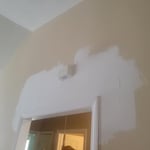
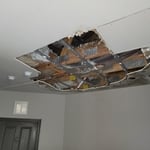
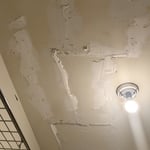
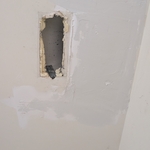
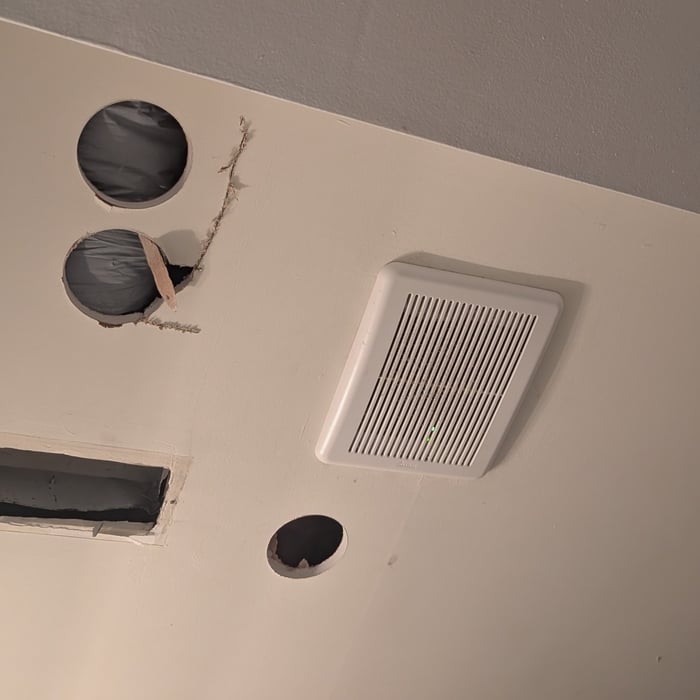
"Another great job by Dave from his team Cransten Handyman and Remodeling, we had a ceiling leak that had done some damage in our garage they removed all the molded things, took out the damage, replaced insulation, put up new drywall, and painted and all looks great again. I am very satisfied with their work, a very knowledgeable team. I recommend this company for having a professional worker!"
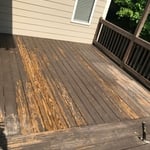
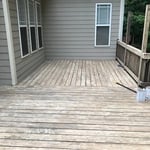
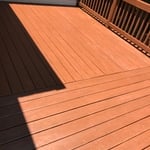
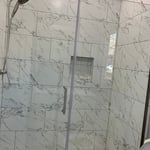
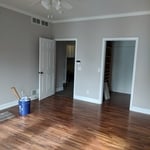
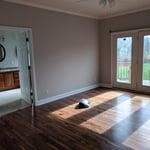
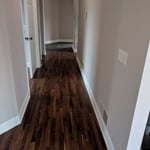
Additional Photos
Additional Photos
Additional Photos
Additional Photos
Additional Photos

+18

Response time1 day
Response rate100%
4 neighbors recently requested a quote
...
Showing 1-10 of 238
Drywall questions, answered by experts

A local drywall contractor can texture your drywall for you. Drywall contractors are a better choice than general handy people because the contractors have a lot of experience working with drywall mud. The process is somewhat of an art thanks to the complexity of working with the mud, so call in a drywall pro who knows what they’re doing.

For maximum stability, install grab bars on wall studs, as this will adequately support the weight. However, if you don't have access to studs, you can get by with wall anchors. If opting for the latter, choose specialty hollow wall anchors. 

You should wait at least 24 hours for drywall mud to dry before sanding or applying another coat. However, the exact drying time depends on several factors, including the thickness of the application, room temperature, humidity, and the type of compound used. Thicker layers, or projects in high humidity, may require 48 hours or more. Lightweight compounds tend to dry faster than heavier, all-purpose ones. You'll know the mud is ready when it feels completely dry and firm to the touch and has changed to a consistent light color. Sanding too early can cause smudging or gouges, so patience is essential for a smooth finish.

While you can put new drywall over old drywall, it’s not always the best option. In some cases, drywalling over drywall can make it harder to find wires and pipes behind your walls and conceal more serious problems with your walls. It can also make the room smaller. On the plus side, putting drywall over drywall can improve soundproofing and insulation. Plus, it’s often less expensive than tearing down and adding new drywall.

Although they are used for similar tasks, spackle and joint compound are not the same. Joint compound, also known as drywall mud, consists of limestone and gypsum and is primarily used for large-scale projects like taping and finishing seams on new drywall. Spackle is composed of gypsum and binding agents, making it a thicker compound best suited for small wall repairs like filling nail holes or cracks, as it dries quickly and is easy to sand. For small repairs, either product can be suitable. However, you can use joint compound for small jobs in place of spackle, but you cannot use spackle for large-scale taping and mudding projects.

The Haw River, NC homeowners’ guide to drywall services

From average costs to expert advice, get all the answers you need to get your job done.