

Top-rated drywall pros.

Best drywall pros near Chapel Hill, NC

Enter your zip and get matched with up to 5 pros

Need a pro for your drywall service project in Chapel Hill, NC?

Select your specific project to find the pro for you.

TRUSTED BY CHAPEL HILL, NC HOMEOWNERS

  • Average homeowner rating star icon4.7
    Average homeowner rating
  • Verified reviews icon393
    Verified drywall services reviews

Top-Rated Drywall pros in Chapel Hill - Updated Nov 2026

Avatar for Silas C. Drywall LLC.
Silas C. Drywall LLC.
4.9(
21
)
Drywall - RepairDrywall - InstallDrywall - Install - For Business+1 more

Serving Chapel Hill, NC and surrounding areas

Approved

Super Service Award Winner

Free estimates

Emergency services offered

Warranties offered

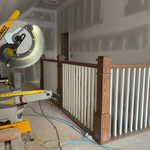
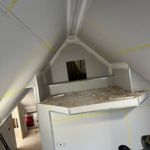
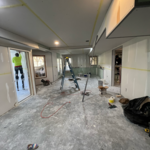
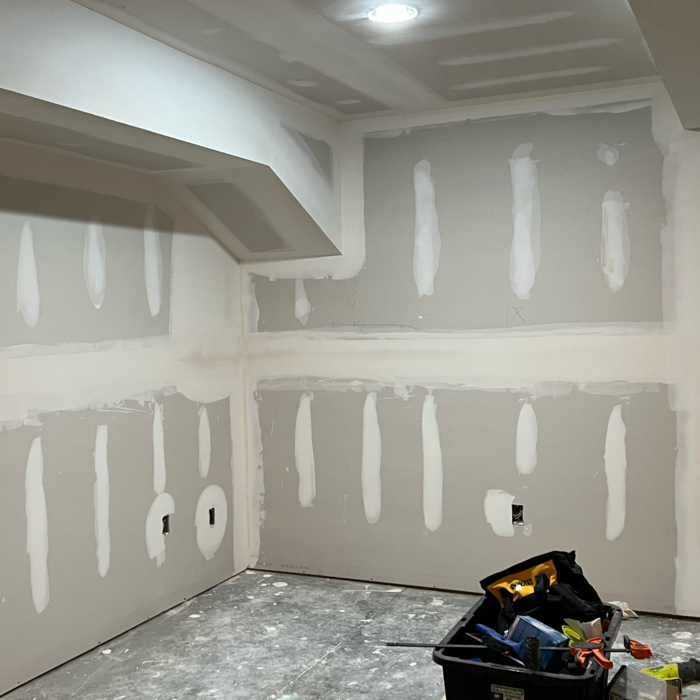
"If anyone is looking to finish their garage or detached garage and loft you should consider securing Silas and his team! They are professional, punctual and dedicated to getting the job done RIGHT and most importantly, to your liking! He and his team did our insulation, drywall, paint, baseboards, and flooring! Silas communicates each day his comings, goings, and next steps. He and his team worked long hours to get the job done and we could not be happier with how our project turned out! He even, hung the curtains over the steps as we would not have been able to do it ourselves! I highly recommend Silas C. Drywall!!!"
Additional Photos
Additional Photos
Additional Photos
Additional Photos
Additional Photos

+23

Response time1 day
Response rate100%
2 neighbors recently requested a quote
Avatar for Brothers Carpentry & Paint
Brothers Carpentry & Paint
4.9(
77
)
Drywall - InstallDrywall - Repair

Serving Chapel Hill, NC and surrounding areas

Approved

In business since 2020

Free estimates

Emergency services offered

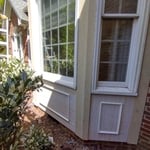
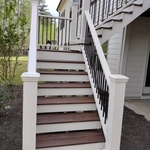
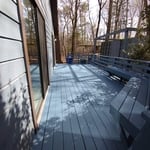
"Carlos and Raul are the most honest and reliable contractors! They helped me with a deck and stair addition, demolition, bathroom remodeling, kitchen remodel, moving walls and drywall, trim, painting and more. They are experienced and talented and are my â go toâ crew!"
Windows and Trim
Recent Projects
Recent Projects
Recent Projects
Recent projects

+9

Response time3 hrs
1 neighbors recently requested a quote
Recommended by38%of homeowners
...
Showing 1-10 of 486
Drywall FAQs, answered by experts

Yes, you can apply new plaster over an existing plaster surface, such as a wall or ceiling, provided the old plaster is in good condition. Before you begin, check the stability of the existing plaster. The surface must be clean, free of loose material, and have no peeling paint. It is also recommended to roughen the surface slightly to promote adhesion. For older plaster, applying a base coat like a PVA emulsion or a specific bonding agent or primer is crucial. This step makes the existing plaster less porous and ensures the new and old layers adhere properly for a smooth, long-lasting finish.

While it’s most common to sand plaster dry, it is possible to wet-sand plaster, too. Doing so can reduce the amount of plaster dust released into the air and make it easier to work in smaller, more delicate areas (such as around wall trim). However, some people find that wet sanding leads to more imperfections, which is why larger walls are more often dry sanded to ensure an even finish.

While you can put new drywall over old drywall, it’s not always the best option. In some cases, drywalling over drywall can make it harder to find wires and pipes behind your walls and conceal more serious problems with your walls. It can also make the room smaller. On the plus side, putting drywall over drywall can improve soundproofing and insulation. Plus, it’s often less expensive than tearing down and adding new drywall.

There are several benefits to wet-sanding drywall, but the main perk is that it produces far less dust than dry-sanding. As a result, wet-sanding poses fewer health risks and makes less of a mess in your home. Plus, damp sponges are less abrasive than sandpaper, so there’s a smaller chance of scratching or damaging the drywall paper. Wet-sanding also creates a smoother finish than dry-sanding.

There is no way to cut drywall without making dust, but you can reduce the amount of dust and especially the dangerous airborne particles by using manual cutting tools. Using a utility knife to score and snap your drywall will minimize dust production, and a jab saw for cutting cutouts for boxes and fixtures will generate almost no airborne dust. Even if you use these methods, you should still wear a respirator and safety goggles to avoid damage to your lungs and eyes.

The Chapel Hill, NC homeowners’ guide to drywall services

From average costs to expert advice, get all the answers you need to get your job done.