In the majority of cases, homeowners insurance will not cover a main sewer line root clog. The reason is that most insurance companies consider tree root damage to sewer lines as common wear and tear, which is also preventable. However, you may be able to buy optional add-on coverage, such as "service line coverage" or "sewer line endorsements," that would protect against root damage to your sewer line.
Sewer gas in any location can cause eye and respiratory irritation if you’re exposed at low levels, or more severe symptoms if you’re exposed at high levels—but fortunately, the fresh air outside means it’s less likely to affect your physical health. However, sewer smells outside can still indicate significant plumbing problems that will need to be dealt with, such as a potentially damaged sewer line or roof vent pipe.
Some experts estimate that descaling your cast iron pipes can extend their lifetime by upwards of 50 years, although there’s not a lot of research to prove it. But we do know that without proper maintenance, cast iron pipes can quickly rust—leading to more expensive issues like burst pipes or main line clogs.
Inspect regularly for clogs, clean drain lines, and ensure grading directs water away from the foundation.
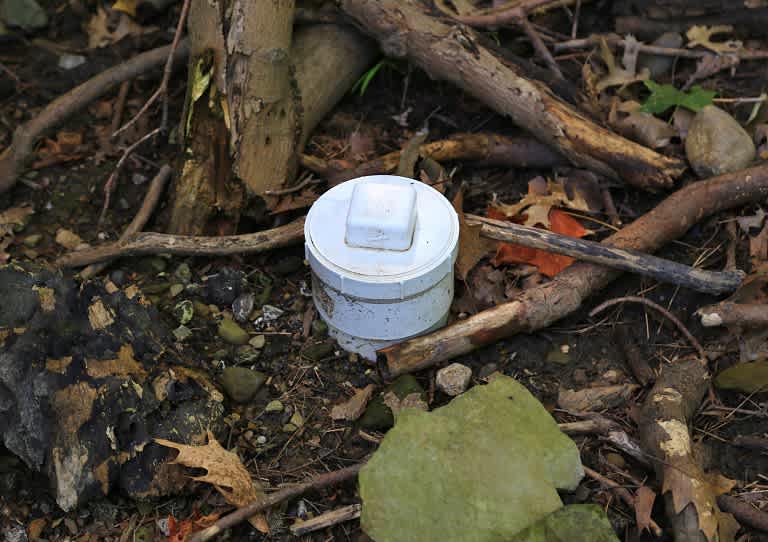
A two-way cleanout can help if there’s already a clog, but the best strategy to prevent one is by not rinsing grease, oil, or fat down your drains, not flushing or rinsing coffee grounds or egg shells down your drains, flushing only human waste and toilet paper (so no diapers, period products, bathroom wipes, or paper towels), and using drain guards on all of your drains.
The Terry, MT homeowners’ guide to sewer cleaning services
From average costs to expert advice, get all the answers you need to get your job done.
A clogged main sewer line can lead to gas or wastewater leaks. Find out what main sewer line clog repair costs by type of service, clog severity, and more.
Don't fall victim to unnecessary plumbing service. Learn five ways to avoid becoming the victim of a fraudulent contractor's sewer or drain-cleaning scam.