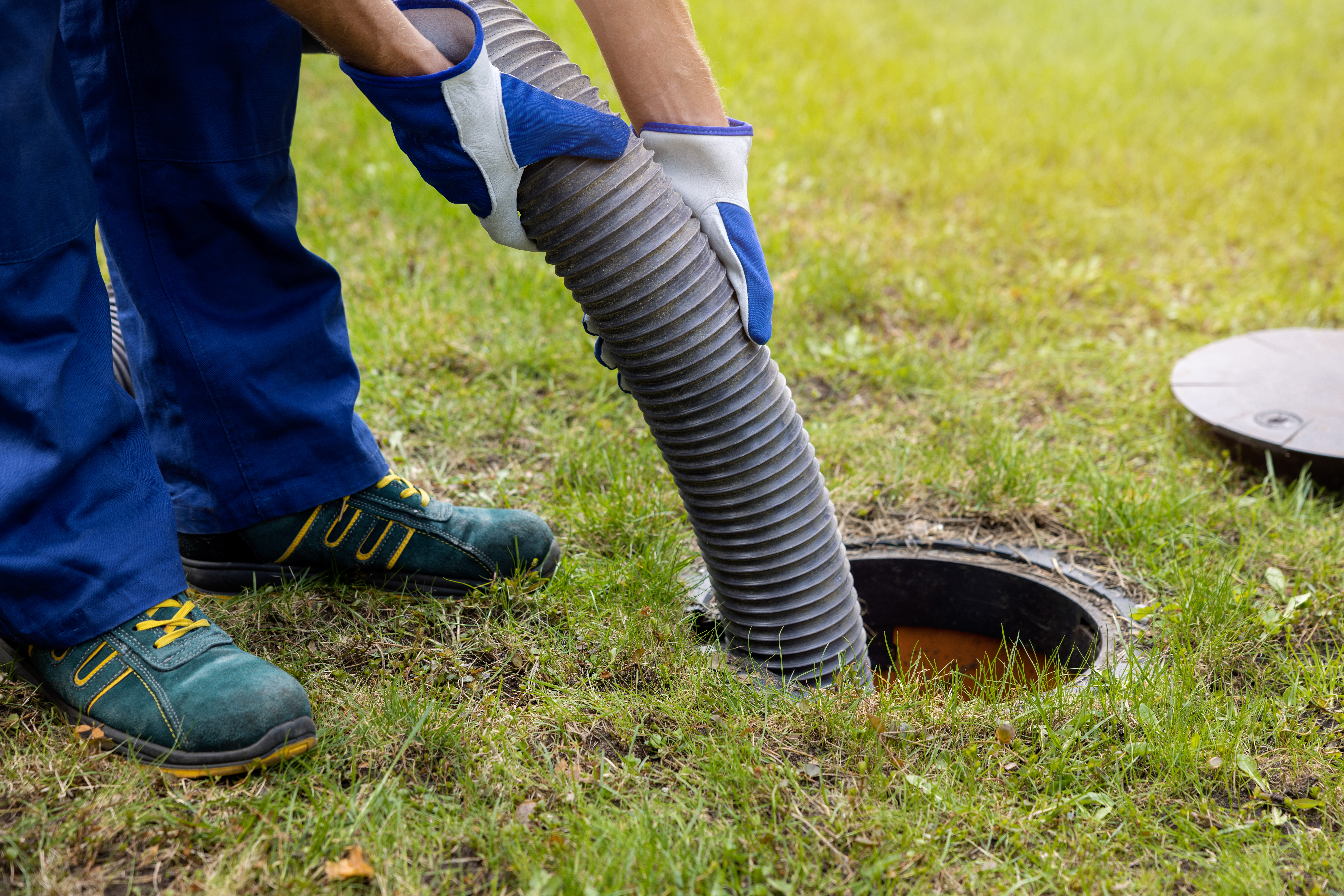







Top-rated septic tank pros.

Get matched with top septic tank pros in Sidney, MT

Enter your zip and get matched with up to 5 pros

Need a pro for your septic tank service project in Sidney, MT?

Select your specific project to find the pro for you.

Find Septic tank pros in Sidney

Avatar for American Home Shield – Home Warranty
American Home Shield – Home Warranty
3.5(
5,688
)

Serving Sidney, MT and surrounding areas

In business since 1971

Credit card accepted

"I just pay $75 you never know who's going to come out. They do everything electrical. Just about everything is covered except the septic tank. I had an air conditioner replaced. It went great, all I had to do was pay for the freon. He didn't charge e more than what was needed."
Additional Photos
Additional Photos
Additional Photos
Additional Photos
Additional Photos

+2

Recommended by65%of homeowners
La-Tex Plumbing LLC.
New to Angi

Serving Sidney, MT and surrounding areas

In business since 2010

Free estimates

Offers commercial services

We take great pride in our experience, expertise, quality, and customer service that we provide to meet the consumers' needs. It is our mission to provide excellent workmanship, and complete customer satisfaction from start to completion of a project. In order to understand the needs, and expectations of our customers, we take great care to work, and communicate with every customer in a professional manner. Our reputation is based on service, safety, and quality, regardless of how large or small the job.

Septic Tanks questions, answered by experts

A septic system's lifespan typically ranges from 15 to 40 years, with a common average of 20 to 30 years. The longevity heavily depends on the tank's material, maintenance diligence, and usage habits. With proper care, lifespans can reach the upper end of this range.

Lifespan by Tank Material:

  • Concrete: 20 to 40 years

  • Plastic or Fiberglass: 30 to 40 years

  • Steel: 15 to 20 years

To maximize your system's lifespan, follow these maintenance best practices:

  • Regular Pumping and Inspections: Have the tank pumped every three to five years and schedule professional inspections regularly.

  • Mindful Usage: Only flush human waste and toilet paper. Avoid putting items like cat litter, paper towels, cigarette butts, fats, grease, oils, or coffee grounds down your drains.

  • Avoid Chemicals: Do not pour harsh chemicals into the system.

  • Water Conservation: Reduce the amount of wastewater your system has to process.

  • Protect the Drain Field: Avoid driving or building heavy structures over the drain field area.

The main difference between a mound septic system and a conventional one is that the drain field in a mound system is built up into a mound composed of sand and gravel to increase the filtration time the wastewater sees before it is returned to the aquifer. There’s also a significant cost difference, with mound systems typically costing far more than standard septic systems.

How deep your septic system needs to be into the ground depends on several factors. In extremely cold environments, the tank needs to rest below the maximum frost line, which can be up to six or eight feet deep. The standard burying depth for most systems is between a few inches and four feet below ground level. Depth can also depend on the slope of the landscaping and other property variables. 

To determine the right size for your submersible well pump, find your well depth, water demand, and well casing diameter. The pump should match your well's specifications and meet or exceed your drawdown and pressure requirements. 

For precise sizing, make sure to research the different well pump sizes, consult the manufacturer's recommendations, or seek guidance from a professional well pump installer.

Most home wells start at 100 feet, and many go as deep as 200 or 300 feet

It takes quite a lot of water to meet the demands of showers, toilets, faucets, and appliances like dishwashers and laundry machines, and shallow wells struggle to provide this amount quickly. If you anticipate having high water usage in the future, it’s often better to drill slightly deeper and give yourself a bit more water storage than you need.

The Sidney, MT homeowners’ guide to septic tank services

From average costs to expert advice, get all the answers you need to get your job done.