



Top-rated septic tank pros.

Get matched with top septic tank pros in Forsyth, MT

Enter your zip and get matched with up to 5 pros

Need a pro for your septic tank service project in Forsyth, MT?

Select your specific project to find the pro for you.

Find Septic tank pros in Forsyth

Avatar for American Home Shield – Home Warranty
American Home Shield – Home Warranty
3.5(
5,688
)
Septic System - Install or ReplaceSeptic System - Install or Replace - For BusinessSeptic System - Repair+3 more

Serving Forsyth, MT and surrounding areas

In business since 1971

Credit card accepted

"I just pay $75 you never know who's going to come out. They do everything electrical. Just about everything is covered except the septic tank. I had an air conditioner replaced. It went great, all I had to do was pay for the freon. He didn't charge e more than what was needed."
Additional Photos
Additional Photos
Additional Photos
Additional Photos
Additional Photos

+2

Recommended by65%of homeowners
Septic Tanks questions, answered by experts

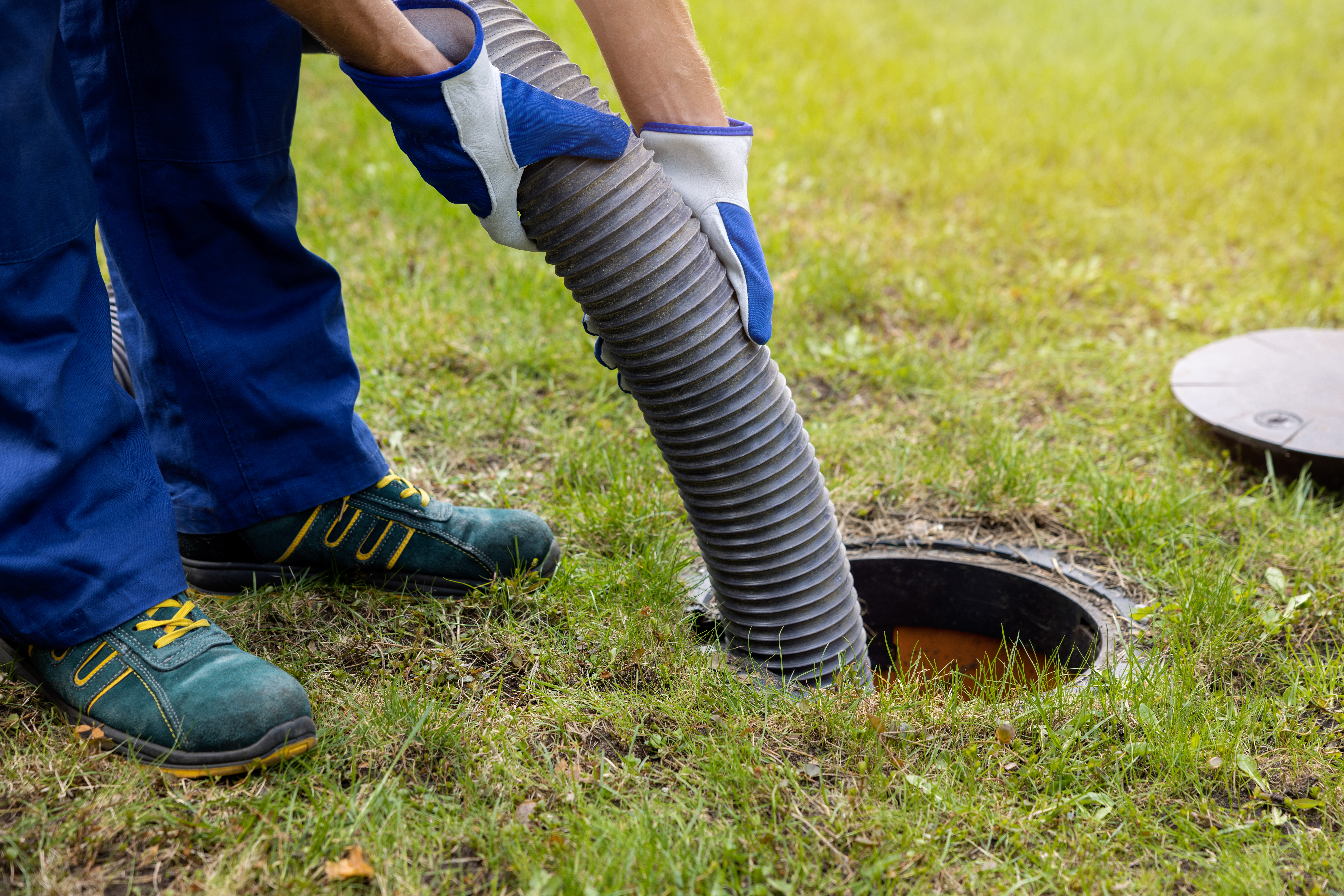
When a septic tank is full, it needs to be professionally pumped. The average cost of a one-time septic tank pump is about $400, or $0.30 per gallon. If your septic tank is full, you may notice that you have issues flushing your toilet, pipes are draining very slowly, or you have a sewage smell lingering in your home or yard.

Unfortunately, yes. If your well pump continues working when the flow of water is completely blocked, the motor will burn up. The energy has nowhere to go, thanks to the blockage, so it turns inward. The end result? A ruined well pump and a depleted bank account (once you shop for a replacement.) 

A septic system's lifespan typically ranges from 15 to 40 years, with a common average of 20 to 30 years. The longevity heavily depends on the tank's material, maintenance diligence, and usage habits. With proper care, lifespans can reach the upper end of this range.

Lifespan by Tank Material:

  • Concrete: 20 to 40 years

  • Plastic or Fiberglass: 30 to 40 years

  • Steel: 15 to 20 years

To maximize your system's lifespan, follow these maintenance best practices:

  • Regular Pumping and Inspections: Have the tank pumped every three to five years and schedule professional inspections regularly.

  • Mindful Usage: Only flush human waste and toilet paper. Avoid putting items like cat litter, paper towels, cigarette butts, fats, grease, oils, or coffee grounds down your drains.

  • Avoid Chemicals: Do not pour harsh chemicals into the system.

  • Water Conservation: Reduce the amount of wastewater your system has to process.

  • Protect the Drain Field: Avoid driving or building heavy structures over the drain field area.

Septic tanks and cesspits are both types of sewage and wastewater systems, but they differ in key ways. The main difference between the two systems is that septic tanks separate sewage from wastewater and allow the latter to flow into a drainage field to filter and disperse into the soil. Cesspits don’t have outlets and instead, store sewage until it needs to be pumped by a professional.

Most shallow residential wells are somewhere between 25 and 50 feet deep. They are among the simplest well systems. Deeper wells usually involve drilling to a much greater depth. Water wells for household use are typically 100 to 500 feet deep, depending on local groundwater conditions. Some may be up to 1,000 feet deep or more. 

The Forsyth, MT homeowners’ guide to septic tank services

From average costs to expert advice, get all the answers you need to get your job done.