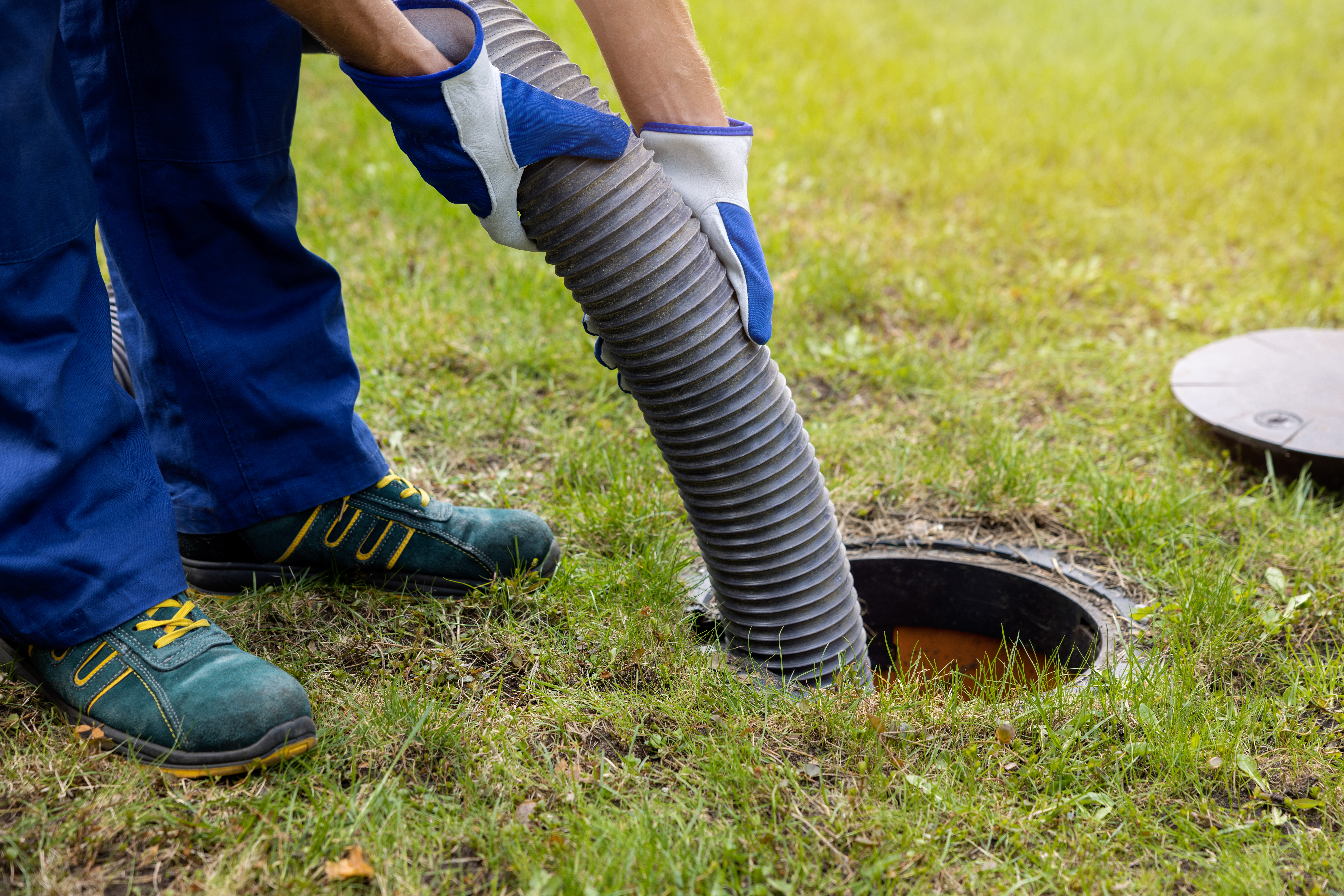







Top-rated septic tank pros.

Get matched with top septic tank pros in Glendive, MT

Enter your zip and get matched with up to 5 pros

Need a pro for your septic tank service project in Glendive, MT?

Select your specific project to find the pro for you.

Find Septic tank pros in Glendive

Avatar for American Home Shield – Home Warranty
American Home Shield – Home Warranty
3.5(
5,688
)
Septic System - Install or ReplaceSeptic System - Install or Replace - For BusinessSeptic System - Repair+3 more

Serving Glendive, MT and surrounding areas

In business since 1971

Credit card accepted

"I just pay $75 you never know who's going to come out. They do everything electrical. Just about everything is covered except the septic tank. I had an air conditioner replaced. It went great, all I had to do was pay for the freon. He didn't charge e more than what was needed."
Additional Photos
Additional Photos
Additional Photos
Additional Photos
Additional Photos

+2

Recommended by65%of homeowners
La-Tex Plumbing LLC.
New to Angi
Septic System - Install or ReplaceSeptic System - Install or Replace - For BusinessSeptic System - Repair+2 more

Serving Glendive, MT and surrounding areas

In business since 2010

Free estimates

Offers commercial services

We take great pride in our experience, expertise, quality, and customer service that we provide to meet the consumers' needs. It is our mission to provide excellent workmanship, and complete customer satisfaction from start to completion of a project. In order to understand the needs, and expectations of our customers, we take great care to work, and communicate with every customer in a professional manner. Our reputation is based on service, safety, and quality, regardless of how large or small the job.

Septic Tanks questions, answered by experts

Yes, shower water goes into the septic tank. Shower water is a type of greywater, and in fact, all water used in a home with a septic system—including water from sinks, toilets, the dishwasher, and the washing machine—drains into the tank. When shower water enters the tank, debris like soap and hair travels with it. The solid debris sinks to the bottom to become sludge, while soap residue joins the scum layer at the top. The remaining water is treated in the tank before moving to the drain field for further treatment and dispersal. It is important to avoid putting oil or harsh chemicals down any drain, as they can cause clogs or disrupt the beneficial bacteria required for proper wastewater management in the septic system.

Septic tanks aren’t bad for the environment as long as they receive proper maintenance and attention. This means staying up-to-date with professional septic system inspections and septic tank pumping. Without regular maintenance, parts of the septic system could break or stop working, potentially letting harmful waste into the soil and groundwater.

Recognizing signs of a failing septic system is crucial to prevent costly damage and health hazards. Foul odors in and around your home, slow drainage in sinks and toilets, or gurgling noises in plumbing fixtures can indicate problems with drainage. Lush, green patches of grass near the drain field or wastewater pooling on the ground are alarming signs that may indicate a leak in the system. If you notice any of these symptoms, it's vital to address them promptly to avoid more extensive and expensive issues.

Your septic tank naturally contains the good bacteria it needs, so you typically don't have to add more as the system produces them on its own. However, if you wish to replenish the bacteria, you can use natural methods. For example, you can add three rotten tomatoes to your garbage disposal or flush 1/4 ounce of active yeast down the toilet every three months. While store-bought septic enzymes and chemicals are available, many additives are unnecessary and may even harm your system. The most effective way to maintain a healthy bacterial balance is to avoid using chemical drain cleaners, which can kill the beneficial bacteria in your tank.

How to size a well pressure tank is determined by three factors: flow rate, or how many gallons per minute your well pump produces; minimum runtime; and pressure switch setting. Most pressure tanks have a pressure switch operating at 20/40, 30/50, and 40/60—the first number is the pressure needed for the pump to turn on, and the second number is the pressure needed for the pump to switch off. Most homeowners relying on well water require a water pressure tank ranging from 20 to 80 gallons. 

The Glendive, MT homeowners’ guide to septic tank services

From average costs to expert advice, get all the answers you need to get your job done.