"Well. Only problem was delay in response time after claim was filed online. Water tank started leaking Thanksgiving morning and no reply until I called the Regional Manager."
"I just pay $75 you never know who's going to come out. They do everything electrical. Just about everything is covered except the septic tank. I had an air conditioner replaced. It went great, all I had to do was pay for the freon. He didn't charge e more than what was needed."
We take great pride in our experience, expertise, quality, and customer service that we provide to meet the consumers' needs. It is our mission to provide excellent workmanship, and complete customer satisfaction from start to completion of a project. In order to understand the needs, and expectations of our customers, we take great care to work, and communicate with every customer in a professional manner. Our reputation is based on service, safety, and quality, regardless of how large or small the job.
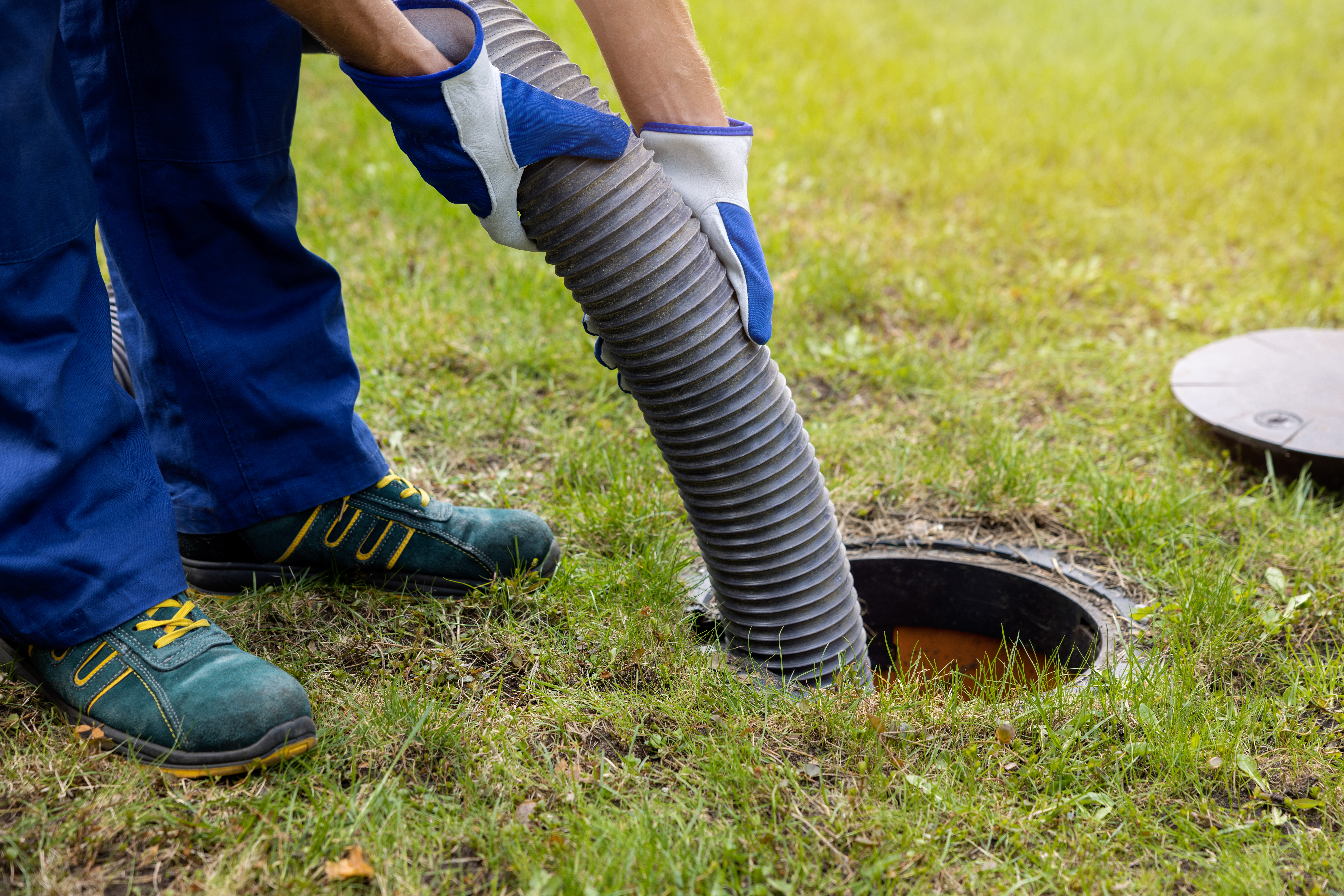
To keep your septic tank healthy, be careful of what you flush and be conservative with water usage, as even flushing too much water down the drain can throw off the septic system’s delicate balance. Never flush anything but human waste and toilet paper down your toilet, and be sure to have the tank inspected and pumped every two to five years, depending on the size of your household and your water usage.
Beyond the type of well pump, there are a few other factors to consider when selecting a well pump. Keep in mind the depth of your well, your average water usage, and the PSI of your water-consuming appliances to determine the appropriate motor horsepower and size of your well pump.
The water refills in a well through gravity that draws water from the water table to fill the vertical hole. The pump brings the fresh water through a pressure tank and to the pipes in your house. The well continues to refill indefinitely as long as you don’t use more water than the well is producing.
Yes, it is possible to pump a septic tank too frequently. The ideal pumping schedule varies based on the tank's capacity, household size, and water usage. Pumping the septic tank more often than recommended can cause the beneficial bacteria to leach into the drain field, leading to an imbalance and a build-up of solid waste.
How to size a well pressure tank is determined by three factors: flow rate, or how many gallons per minute your well pump produces; minimum runtime; and pressure switch setting. Most pressure tanks have a pressure switch operating at 20/40, 30/50, and 40/60—the first number is the pressure needed for the pump to turn on, and the second number is the pressure needed for the pump to switch off. Most homeowners relying on well water require a water pressure tank ranging from 20 to 80 gallons.
The Scobey, MT homeowners’ guide to septic tank services
From average costs to expert advice, get all the answers you need to get your job done.
Caring for your septic system is crucial to ensuring its long life. But how much does it cost to pump a septic tank? We explore the different cost factors.
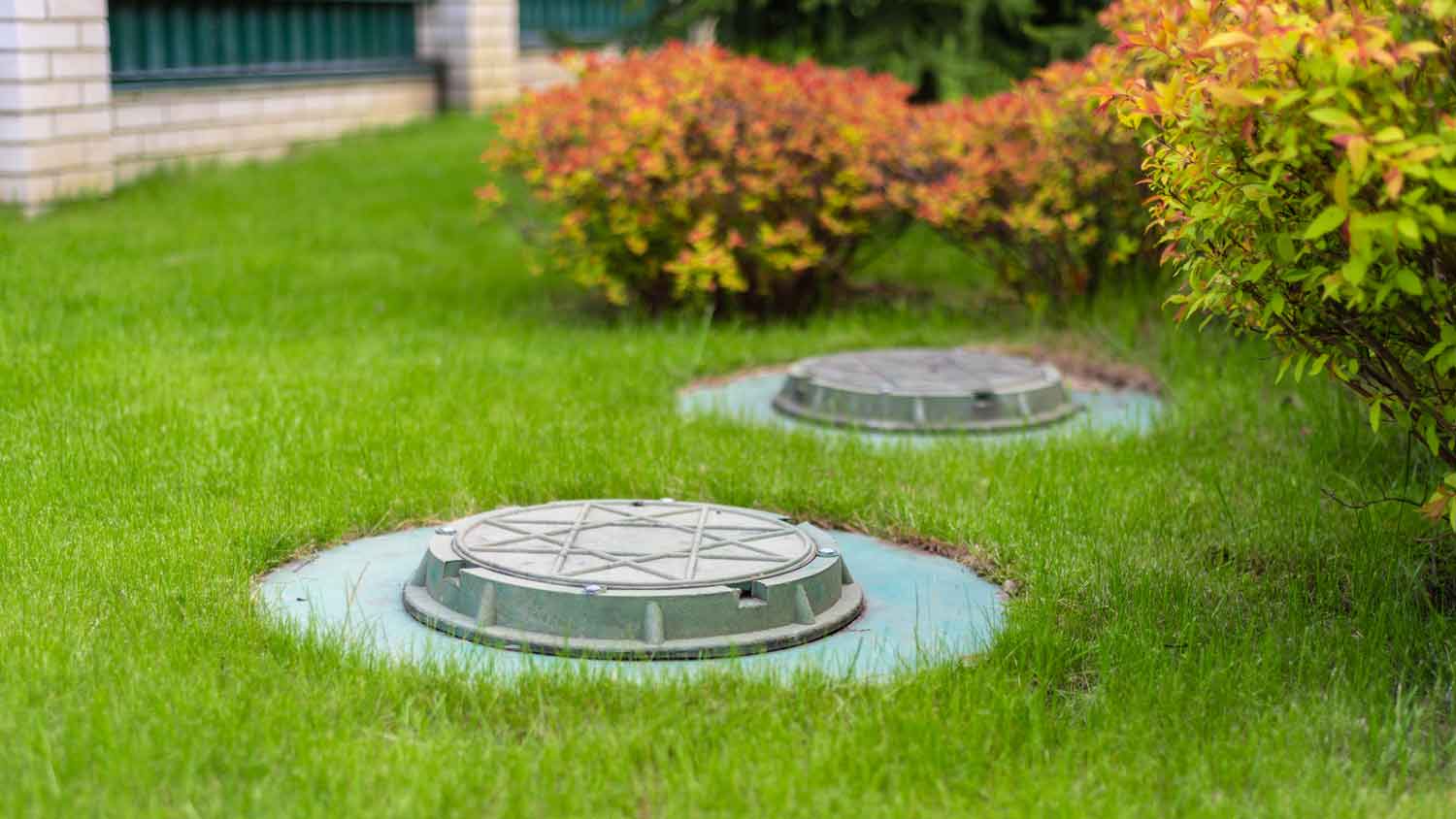
It’s crucial to install a septic tank with the right volume to avoid wastewater backups. This guide will help you calculate the right septic tank volume.
Septic tank sizes vary depending on the size of your home, how many people live there, how much water you use, and more. Read on to learn how to determine the right size for you.