


Top-rated fire pit installation pros.

Get matched with top fire pit installation pros in Sunset Hills, MO

Enter your zip and get matched with up to 5 pros

Need a pro for your fire pit installation project in Sunset Hills, MO?

Select your specific project to find the pro for you.

TRUSTED BY SUNSET HILLS, MO HOMEOWNERS

  • Average homeowner rating star icon4.5
    Average homeowner rating
  • Verified reviews icon1.5k+
    Verified fire pit installation services reviews

Find Fire pit installation pros in Sunset Hills

No results for Fire pit installation pro in

Try adjusting your search criteria.
Fire Pit Installation questions, answered by experts

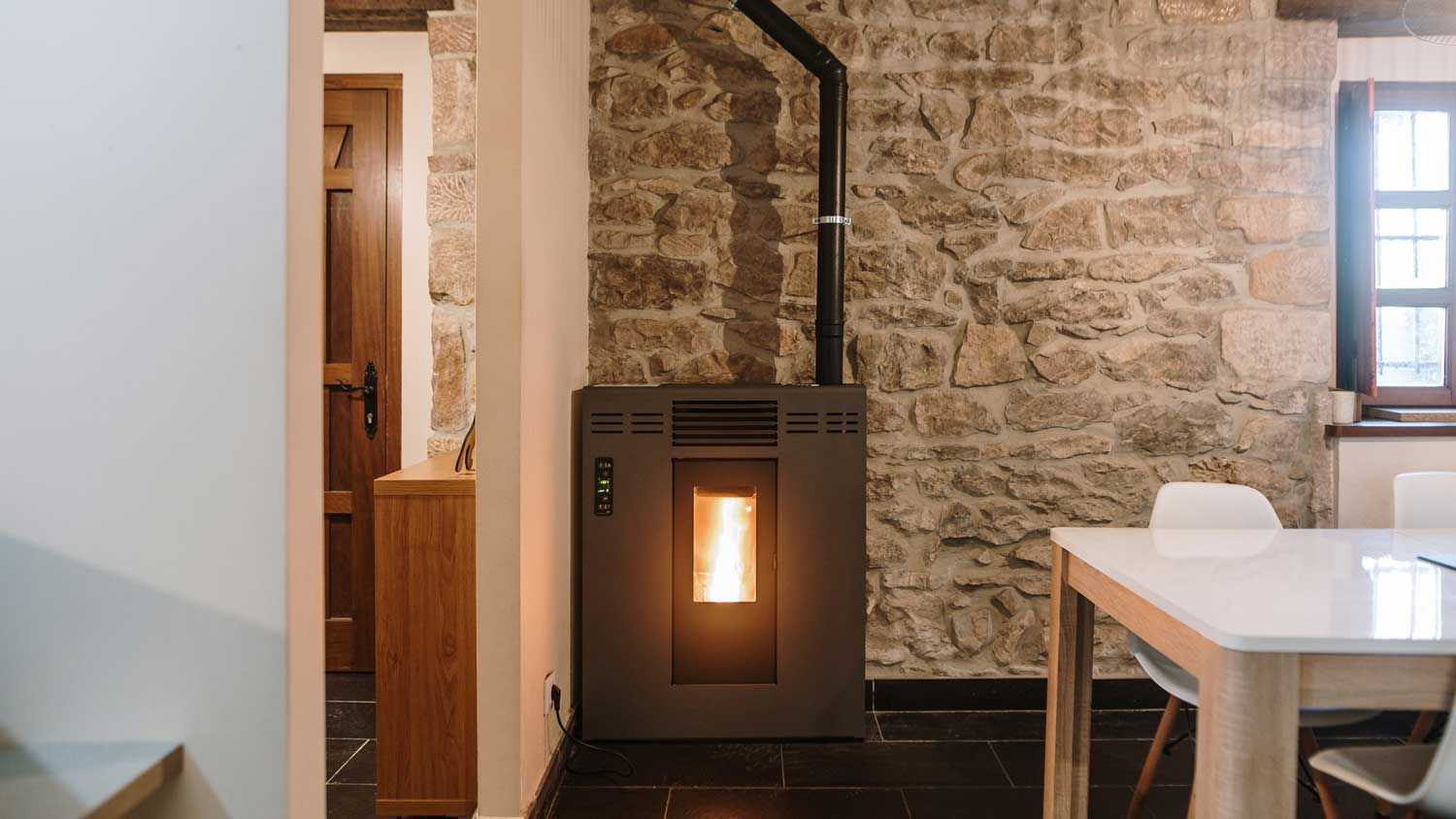
There are several maintenance tips you should take to ensure your pellet stove's safety and proper maintenance. You should vacuum the ash pan every week to prevent overflowing and clean the stove and surrounding vents every three to four months. It’s also important to get a professional inspection every year and install a carbon monoxide detector close to your stove. Be sure to dispose of hot ashes in a closed metal container; store it outside, away from the house. Only use the pellets recommended by your stove's manufacturer, and follow any cleaning and maintenance instructions.

The damper, located just above the firebox, can open or close the chimney flue. The damper should remain closed unless there’s a fire burning in the fireplace. Closing the damper prevents energy loss through the chimney and cold air from seeping into the home during the winter. Opening the damper helps maintain airflow when there is a fire and prevents smoke and gases from venting into the house.

Yes. Even when it’s not in use, an outlet is still connected to wiring, and if the wiring is faulty or wet, a fire can occur. Broken outlets can also cause fires, for the same reasons; in fact, most broken outlets are broken due to damaged or worn-out wiring. It’s worth replacing outlets that are old or damaged with the help of an electrician.

Regular professional chimney cleaning and a well-fitting chimney cap are two of the most effective measures to help prevent flue blockages. Annual cleaning keeps the flue from developing a thick layer of creosote. The chimney cap keeps debris out and stops critters from going down your flue for shelter while carrying clog-worthy nesting material.

Yes, you should seal and cap an unused chimney to protect it from damage. Sealing the structure helps prevent moisture damage, which can lead to issues like cracks, spalling, efflorescence, and damaged mortar joints. Capping the chimney is also crucial to prevent blockages, damage from invasive critters, and downdrafts, while still allowing for proper air ventilation to manage moisture. For the best results, consult a chimney professional to select the right type of chimney or flue cap for your home. It's also wise to continue with annual chimney inspections to maintain the structure's integrity.

The Sunset Hills, MO homeowners’ guide to fire pit installation services

From average costs to expert advice, get all the answers you need to get your job done.