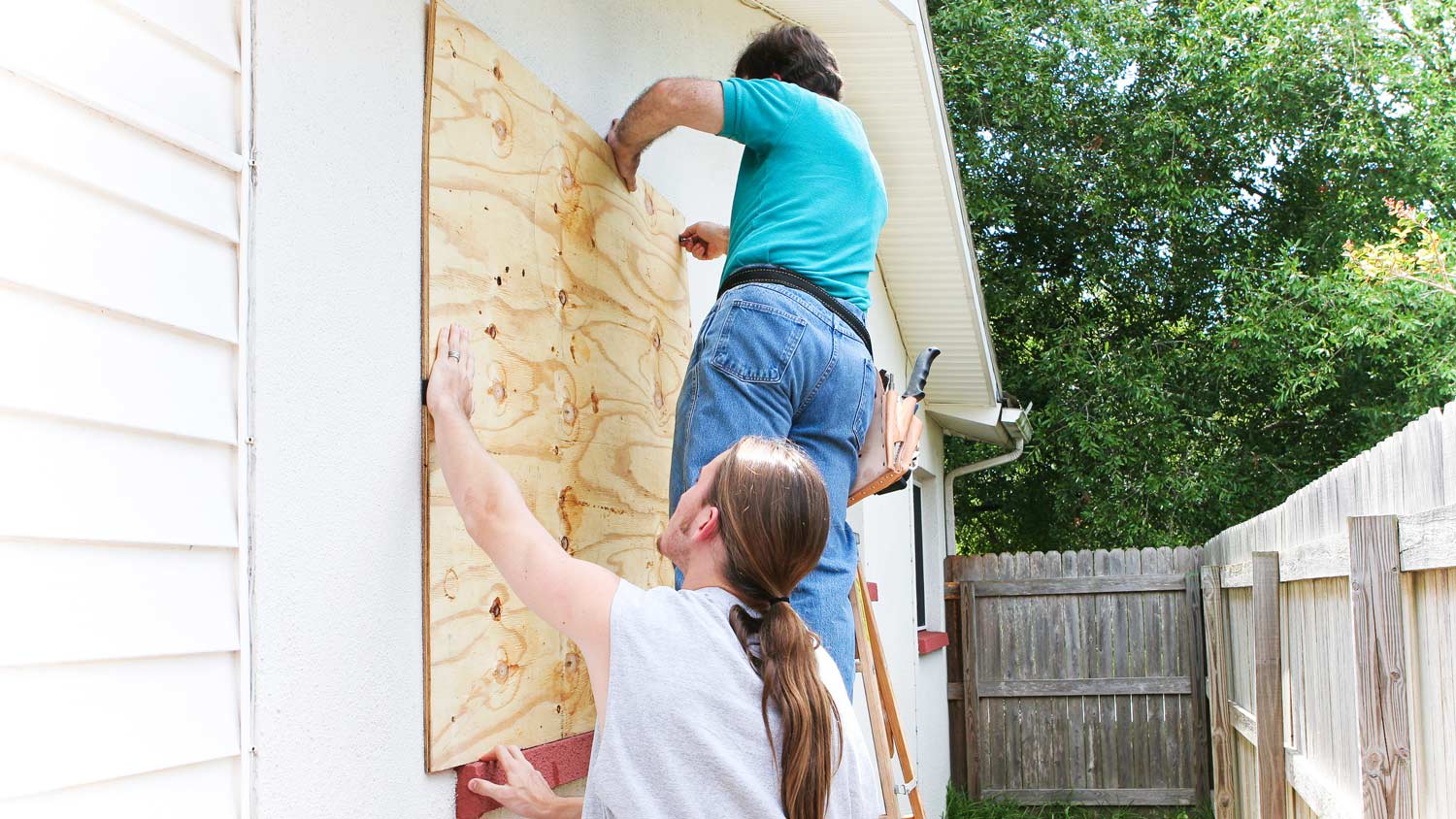
When a hurricane or natural disaster hits your home, you want to be prepared. This hurricane preparedness checklist will help your family and pets stay safe. Learn everything you need to do in the event of a severe storm or another disaster.
From gathering supplies to coming up with an emergency plan, here's how to prepare for a natural disaster

Your disaster preparedness checklist should include water, non-perishable food, a battery-powered radio, flashlight, first aid kit, and emergency communication tools for sheltering at home.
Stockpiling supplies means planning for three days during evacuation or two weeks for sheltering in place, so your family stays self-sufficient when emergency crews take time to respond.
You need to know how to shut off your natural gas, water, and electricity before a disaster strikes, protecting your home from fires, leaks, and electrical hazards.
Hiring a local home and garage organization professional helps you store emergency supplies in accessible locations and maintain your disaster preparedness checklist with regular updates and proper rotation.
When disaster strikes, we rarely are given any time to prepare. That’s why it’s crucial to have a plan in place well in advance so that you and your family can respond appropriately. Natural disasters can leave you without water and power for days, and you may not be able to get the supplies you need from grocery and hardware stores. That’s why it’s essential to have some basic supplies on hand for when a natural disaster occurs.
Read ahead to learn how to create an emergency plan, build a kit with our handy emergency supply kit checklist and properly prepare your home.
Understand the types of disasters that affect your area and discuss how you would like to prepare and respond with your family. Know where to go in your home when a tornado, hurricane, or earthquake strikes. Think about how to react during a virus outbreak, where you might have to hunker down for more extended periods in your home (although chances are you’ve been dealing with plenty of that since 2020). And assign responsibilities to family members and write down your plan so everyone can easily reference it.
Topics to discuss when making your plan:
How to communicate when disaster strikes
How to prepare your home
Where to shelter during various emergencies
An emergency escape plan from your home
An evacuation route from your town
An emergency preparedness kit
The specific needs of those in your household (children, pets, people with special needs)
Stockpile these necessities to help ensure that you and your family have what you need for sheltering in your home during severe weather emergencies or a virus outbreak. When a natural disaster occurs, it may take emergency crews several days to respond, so you should plan on being self-sufficient for a while.
Water: 1 gallon of water per day per person (or pet) for hydration and sanitation. Buy 3 days’ worth for an evacuation and 2 weeks’ worth for sheltering at home.
Food: Non-perishable food to feed your household. Buy 3 days’ worth for evacuation and 2 weeks’ worth for sheltering at home.
Battery-powered or hand-crank radio, or an NOAA Weather Radio
Flashlight and lantern with extra batteries
First aid kit stocked with antiseptic, gloves, bandages, antibiotic ointment, hydrocortisone ointment, over-the-counter pain relievers, thermometer, scissors, and tweezers
Whistle to signal for help
Dust masks to filter contaminated air
Plastic sheets and duct tape to seal off doors, windows, and air vents if outside air is contaminated
Moist towelettes, garbage bags, and plastic ties
Wrench, pliers, or a multi-purpose tool to turn off utilities
Road maps of the area
Manual can opener
Cell phone with charger and backup batteries
Two-way radio
Masks
Soap
Hand sanitizer
Disinfectant wipes
Liquid bleach
Toothpaste and toothbrushes
Prescription medications (7-day supply)
Glasses and contact lenses
Hearing aids
Feminine hygiene products
Infant supplies like formula, baby food, bottles, diapers, wipes, and diaper cream
Pet supplies like food, water, litter, and medications
Cash
Important documents such as photo IDs, Social Security cards, birth records, health insurance, and prescription cards, saved electronically or stored in a waterproof container.
Sleeping bags or blankets
A change of clothing and sturdy shoes for each person
Fire extinguisher
Matches and lighters
Paper plates and cups, plastic utensils, and paper towels for meals
Paper and pencil
Activities, like books and puzzles, for children
Car repair items such as a spare tire, tire patch kit, and oil
Fire extinguisher
Work gloves
Emergency escape ladder

Creating an emergency kit as part of your disaster preparedness checklist is one thing, but keeping it up-to-date is another. You’ll need to check it regularly—consider setting a calendar reminder for every few months—to make sure your kit is good to go.
Keep your kit in a cool, dry place. Store your survival goods where all family members can easily access them.
Store food in secure, sealed containers.
Update your kits regularly, checking expiration dates on food and adding items for family members as their needs change.
If you may be sheltering in place during a natural disaster, familiarize yourself with where your utility shut-offs are located and how to turn them off.
Natural gas: Natural gas leaks can cause fires after disasters, so it’s essential to know how to shut off your gas. Call your gas company, and they can walk you through the proper way to turn off your gas meter. If you turn the gas off yourself, only a professional can turn it back on.
Water: Locate the main water line shut off in your home and make sure that everyone in your family knows where it is and how to turn it off.
Electricity: Electricity can spark natural gas fires if you have a gas leak. Locate your circuit box and shut off all individual circuits individually before shutting off the main circuit.
After you’ve made sure your loved ones are safe, sound, and secure, you’ll want to assess any damages to your home when it’s safe to do so.
Retrieve your important documents if you haven’t done so already to keep them in your emergency kit.
Retrieve valuable items to keep them in a storage unit or to send to a friend or family member outside of your area.
Take photos of any damages to your home if it’s still standing. Homeowners insurance can vary for natural disasters, so make sure to document everything.
Make sure to save all receipts when hiring pros to make repairs to your home.

Finished Basements Plus was wonderful from beginning to end! First, they came out quickly for an estimate. I had 4 estimates and theirs was by far the best. (2 of the estimates were more than $20K higher than for the exact same work). Beyond their fair pricing, the work was excellent. They...
 Finished Basements Plus Inc.
Jason has helped me with multiple household projects, with the most recent being new door installation. He has always showed up on time and organized and has done an incredible job! Jason is very professional and he's now my go-to for anything around my house that needs to be fixed or...
 Huff Garage Rescue, LLC
Raven and crew does absolutely fantastic job. They are very professional if any concerns were to occur with any of her work she always took responsibility and finished out with a great job. I have worked with her business for a year and have always been satisfied. Very trusted business and...
 Creations of Transformation LLC
1st Choice Renew is simply the best! We hired them for a complete home renovation, and they transformed our space into something truly amazing. The team attention to detail and commitment to quality were evident throughout the project. They were easy to work with, very responsive, and always...
 Save A Dime
Couldn't ask for a better company. Josh and Dee were Very professional, efficient, courteous and takes major pride in their work. They will travel to come to your home and will still give you a fair price. They are honest and trust worthy. Their focus is on their work and their work is...
 Supreme brick & chimney
Custom Paint Jobs LLC made our home feel warm and inviting. Their expertise is evident.
 Custom Paint Jobs, LLC
Wonderful company to work with. Very easy to get in touch with and communicate with. The cleaners do an excellent job and pay close attention to detail. Fair pricing, always dependable which I truly appreciate. They show up when they say they will, and my home is immaculate when they finish....
 Sparkle Machine Clean Co.
I had Window Depot USA of Central recommended from a friend and it was a great referral. From the first visit to the final install,my wife and I were very very satisfied. I was updated throughout the whole process. It was a pleasure doing business in a timely professional manner. We have...
 Window Depot USA of Central Ohio
Working with Mike on our first home purchase was an absolute pleasure. Mike put us at ease and made the process of buying a home fun. Mike is knowledgeable, honest, professional, and punctual. He worked with our busy schedule and always made time for us. When a home came on the market that...
 Michael Marshall - Buyer's Resource Realty Svcs.
They work that 360 did on my kitchen cabinets is nothing short of amazing. I still cannot believe the difference from before and after. Jon and Jeff were both so incredibly professional throughout the whole process and their communications with me were constant and consistent. These guys...
 360 Painting Columbus
From average costs to expert advice, get all the answers you need to get your job done.
When a hurricane or natural disaster hits your home, you want to be prepared. This hurricane preparedness checklist will help your family and pets stay safe. Learn everything you need to do in the event of a severe storm or another disaster.
If you live in an area where tropical storms, nor’easters, or hurricanes are common, these hurricane prepping tips could be lifesaving in an emergency.

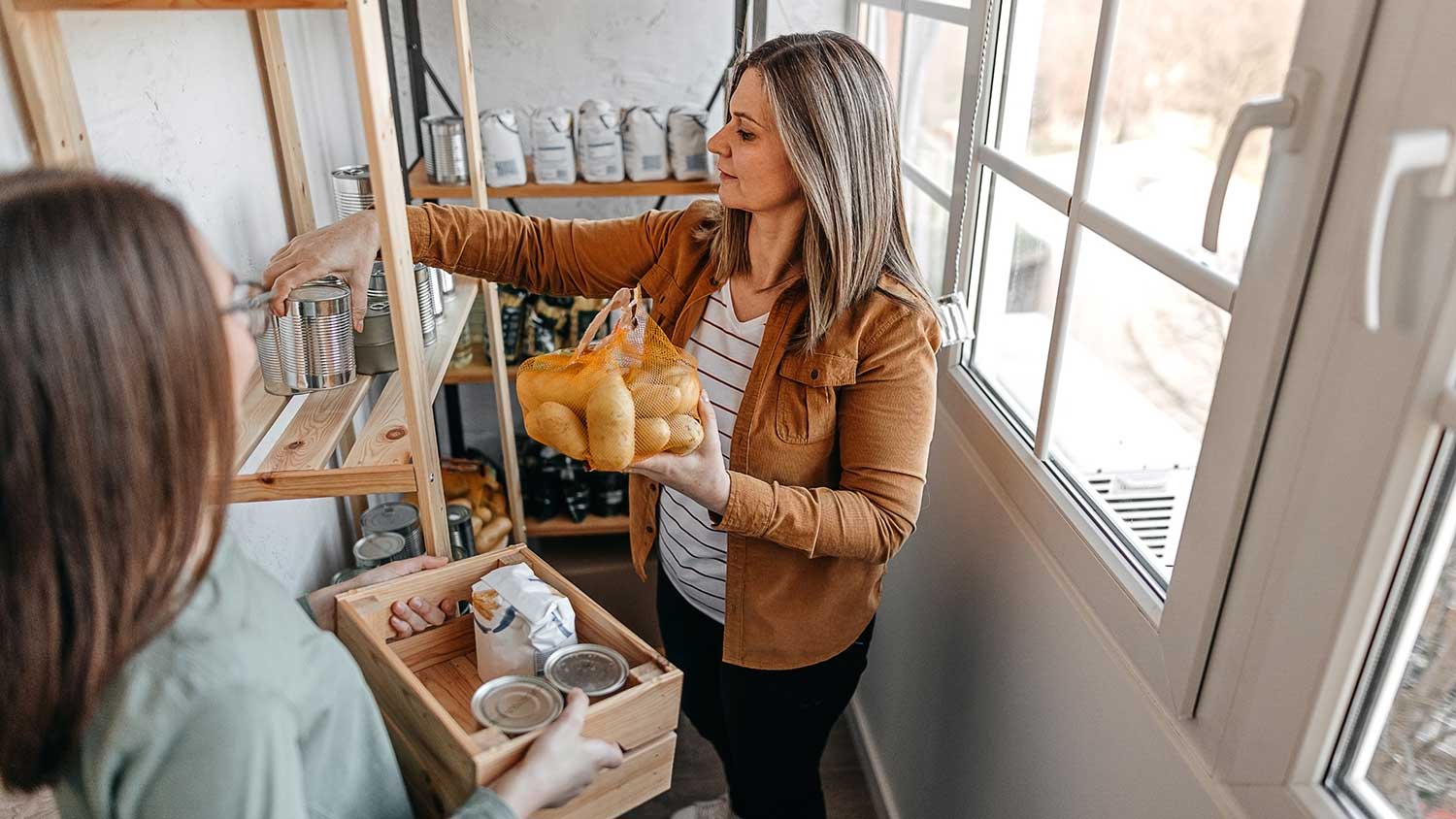
Your home may be your sanctuary, but emergencies can still strike. Stocking up on food, medicine, and other essential supplies can help keep you and your family safe. We’ll show you what to include in your home emergency supply kit checklist.
Whether you live in a flood-prone area or are someone who likes to have a plan, this checklist can help you get your home and community ready for a water-related emergency.

Get ready before the cold sets in. Learn how to protect your home from harsh winters with this winter preparedness checklist.

Your home’s safety is of the utmost importance. Use this home safety checklist to ensure that you’re well-prepared for anything. You’ll find info about making sure your smoke detectors, roof, and more are up to muster in the event of an emergency.