



Top-rated excavation pros.

Get matched with top excavation pros in Pilot Grove, MO

Enter your zip and get matched with up to 5 pros

Need a pro for your excavation project in Pilot Grove, MO?

Select your specific project to find the pro for you.

Find Excavation pros in Pilot Grove

Missouri Land Improvement
New to Angi

Serving Pilot Grove, MO and surrounding areas

Approved

Free estimates

Emergency services offered

Warranties offered

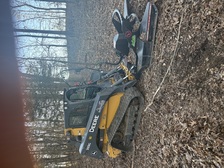
Hello, I’m a local guy born and raised right here in Columbia. I’m available to do all kind of residential ground work from reshaping your property for proper drainage to clearing trees and overgrowth for better views. I focus on selective growth management in which I remove all scrubby trees and undergrowth to maximize the life of the wanted trees. I also clear large amounts of land. I install drainage systems for gutter and footings to get the water away from your house.

1 neighbors recently requested a quote
Avatar for Show-Me Natives
Show-Me Natives
New to Angi

Serving Pilot Grove, MO and surrounding areas

Approved

Free estimates

Emergency services offered

Warranties offered

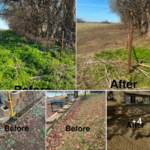
Show-Me Natives Landscape and Design is a landscaping business concentrating on our pollinators with the installs of Native plants. We have the experience to design, prepare, and build your outdoor oasis from your garden to retaining walls, walkways, and patios.

6 neighbors recently requested a quote
...
Showing 1-10 of 59
Excavating questions, answered by experts

Professional installers often include a deep layer of crushed gravel under permeable pavers to allow more runoff to soak through into the soil below. Many installations will include multiple layers of gravel, with coarser aggregate at the base and finer aggregate that sits on top of that bottom layer. Above the gravel, you’ll often find coarse sand that helps reduce paver shifting over time. Some permeable paver designs include a water collection system set into the gravel layer to route runoff to a safe area for disposal.

No, a ditch isn’t a trench. A ditch is an open, relatively shallow channel that’s carved out of the ground and used for drainage purposes. In contrast, a trench is a deeper excavation that’s entirely underground. Trenches have many uses, including gas lines, sewage systems, and electrical wiring. Unlike trenches, ditches don’t get filled back in with dirt after they’re dug.

The cost to drill a well varies, with a national average of around $5,500 for a 150-foot well. However, prices can fluctuate significantly based on several factors, including your location, the required well depth, geological conditions, local regulations, and the specific drilling methods used. For the most accurate cost assessment, it is best to research and get quotes from local well-drilling professionals in your area.

No, fire blight does not survive free in the soil but instead is carried through insects, animals, rain, or wind during the spring. Keep in mind that it can also spread on tools, which is why you should always disinfect them in between cuts.

In the United States, a depth of 36 inches (three feet) for underground water lines is the accepted industry standard. This depth varies from location to location based on local conditions. In areas with colder winters, they may be buried deeper to prevent frozen well water pipes : This is usually at least six inches below the frost level. The International Plumbing Code calls for a minimum of 12 inches below grade.

The Pilot Grove, MO homeowners’ guide to excavation services

From average costs to expert advice, get all the answers you need to get your job done.