






Get matched with top excavation pros in Madison, MO
Top-rated excavation pros.

Need a pro for your excavation project in Madison, MO?

Select your specific project to find the pro for you.

Find Excavation pros in Madison

Avatar for Beer Land Management LLC
Beer Land Management LLC
5.0(
12
)

Serving Madison, MO and surrounding areas

In business since 2015

Free estimates

Credit card accepted

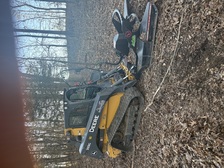
"Arrived at the agreed date and time. Did a great job of tree removal in close quarters. Also provided special handling on one tree per our request. Stumps remain to be removed but we expect that project to be completed in the next 2 weeks."
Beer Land Management
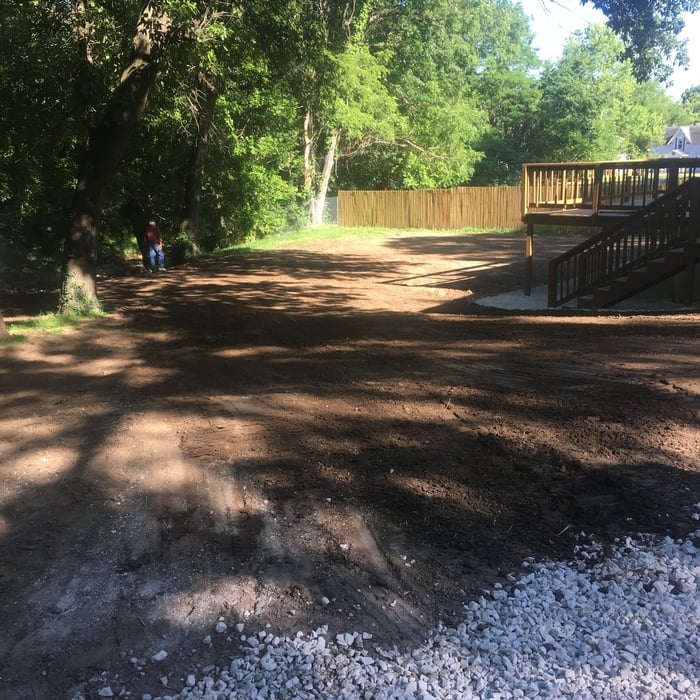
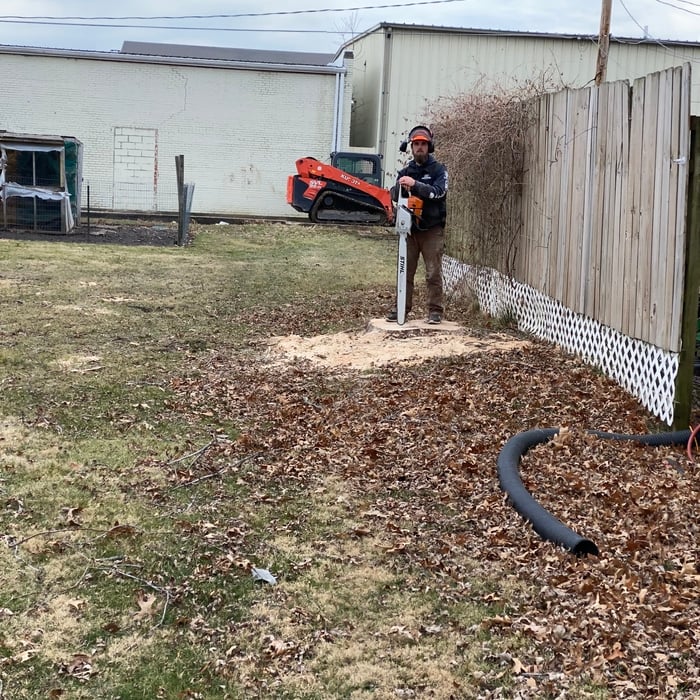
Cleaning up the Mess
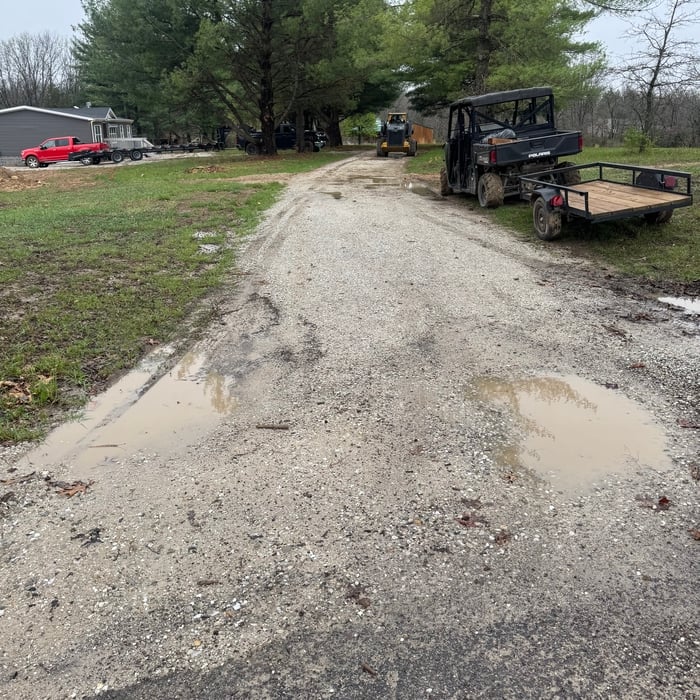
Removal of Mature Elm Monroe City, MO
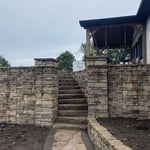
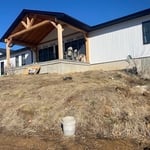
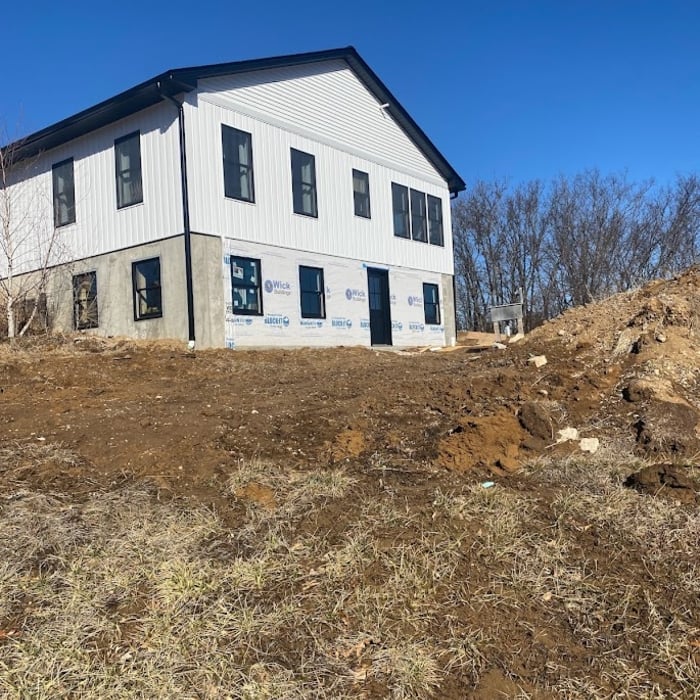
Long days finale Monroe City, MO

+7

Response time9 hrs
Recommended by100%of homeowners
Showing 1-10 of 49
Excavating questions, answered by experts

The best way to protect tree roots is to avoid the roots entirely by excavating outside the root radius of the tree. For nearby projects, it’s a good idea to construct a temporary retaining wall. But that’s not always possible, depending on the project and the root system. In these cases, consider using alternative equipment like an auger to tunnel under the ground.

Remember, tree roots can damage nearby cement foundations as they grow. If a tree is close enough to interfere with large excavations, it may be better to remove the tree than risk future problems.

A joint utility trench, or joint trench, is a long, buried ditch on a property that contains two or more utility lines rather than running the lines in multiple trenches. Some utilities, like gas and electric or electric and communication lines, are better suited to joint trenching, while others, like water and sewer, are not allowed to be in the same trench.

Hard soil could be a sign of overly dry dirt, either from poor drainage or drought. It's important to test the nutrient levels, density, and drainage capacity of your soil to see if it's absorbing water properly. Begin by adding a light layer of water and observing how long the soil retains moisture. If you experience a good deal of runoff, you may need to aerate your lawn, apply a wetting agent, or hire a professional for a closer look.

Yes, trenchers can go through gravel. Gravel is made up of smaller, softer rocks that certain trenchers are able to cut through. Just be sure to use a rock wheel trencher or chain trencher, both of which are made to cut through rocky landscapes and gravel pathways without dulling the teeth or chain.

Call 811 to locate and mark the gas lines at least three days before digging. In many areas, you can dig within 18 inches of the lines, though in some locations, the distance may be further. Check local regulations, as you may need a utility company representative onsite when digging. Document your calls to 811 and precautions taken to avoid gas lines. A homeowner can be held liable for hitting a gas line in some cases, but contacting the proper authorities and following all guidelines can offer protection.

The Madison, MO homeowners’ guide to excavation services

From average costs to expert advice, get all the answers you need to get your job done.