







Top-rated excavation pros.

Get matched with top excavation pros in Glasgow Village, MO

Enter your zip and get matched with up to 5 pros

Need a pro for your excavation project in Glasgow Village, MO?

Select your specific project to find the pro for you.

Find Excavation pros in Glasgow Village

Avatar for GL Developments
GL Developments
5.0(
3
)

Serving Glasgow Village, MO and surrounding areas

Approved

In business since 2015

Free estimates

Credit card accepted

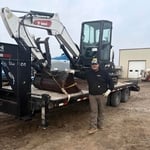
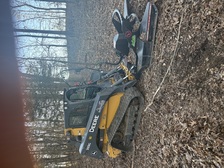
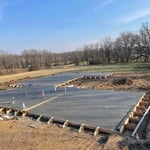
"GL Developments is a top notch company with outstanding customer service! I?ve personally seen the work performed, whether it was concrete being poured for a house foundation or shop floor to complete home remodeling. You will not be disappointed with this crew! Definitely will be using them in all my future projects!!"
New construction
New construction
New construction
New construction
New construction

+10

Response time2 days
11 neighbors recently requested a quote
Showing 1-10 of 37
Excavating questions, answered by experts

Sewer lines can be buried anywhere from 18 inches to 8 feet deep, with a common average depth between 18 and 30 inches. The exact depth depends on local factors like climate and soil type. In colder regions, pipes must be buried deeper (below the frost line) to prevent freezing, sometimes as deep as 8 feet. The digging depth can also impact the cost of sewer line replacement. To find the specific depth for your property, you can check the building plans for your system, which should be on file with your city or local sanitation department since permits are required for installation.

The physical constraints of hand-drilling a well limit the depth you can achieve. Manually digging with picks and shovels may only lead to shallow wells of up to 60 feet in depth. To reach greater depths, you need more specialized equipment. The diameter of your well and the tools you’re using will determine how far down you can dig.

Trenches are typically 12 to 24 inches deep and 8 inches wide. However, the required depth depends on the specific project and local ordinances. For example, a French drain may need to be 18 inches deep, while a water pipe might require a depth of 24 inches and a drainage pipe 36 inches. Your city or county may have specific regulations, so it's wise to consult with an excavation professional to determine the correct depth for your project.

In the United States, a depth of 36 inches (three feet) for underground water lines is the accepted industry standard. This depth varies from location to location based on local conditions. In areas with colder winters, they may be buried deeper to prevent frozen well water pipes : This is usually at least six inches below the frost level. The International Plumbing Code calls for a minimum of 12 inches below grade.

It takes one hour to dig a 10-foot trench by hand. Use a trenching shovel with a sharp tip and a long head. Plan for more time if your soil is heavy or rocky. Consider renting a trencher if you’re digging a long or deep trench or if you have challenging soil or terrain. 

The Glasgow Village, MO homeowners’ guide to excavation services

From average costs to expert advice, get all the answers you need to get your job done.

What do you need done? We’ll find top pros.
  • 🌱 "Mow a small front yard"
  • 🛠 "Fix a leaking pipe under the sink"
  • 🏠 "Repair shingles on an asphalt roof"