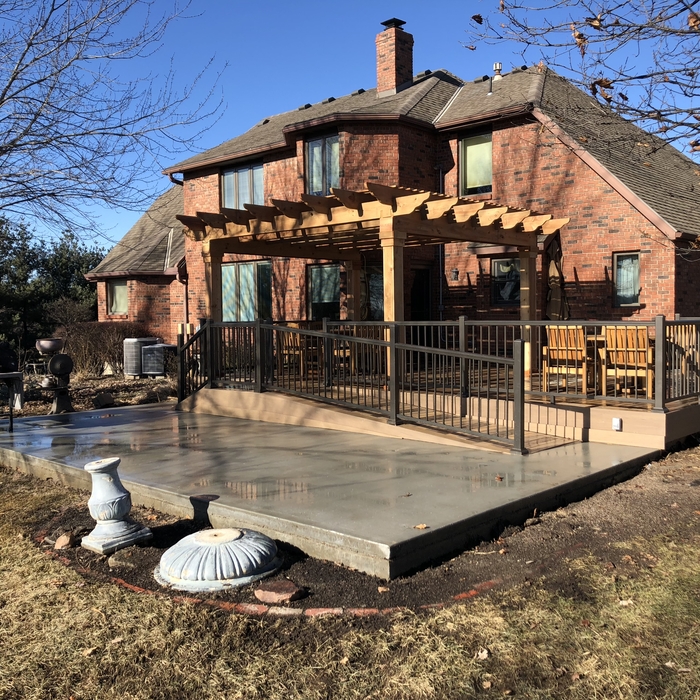
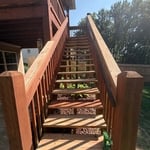
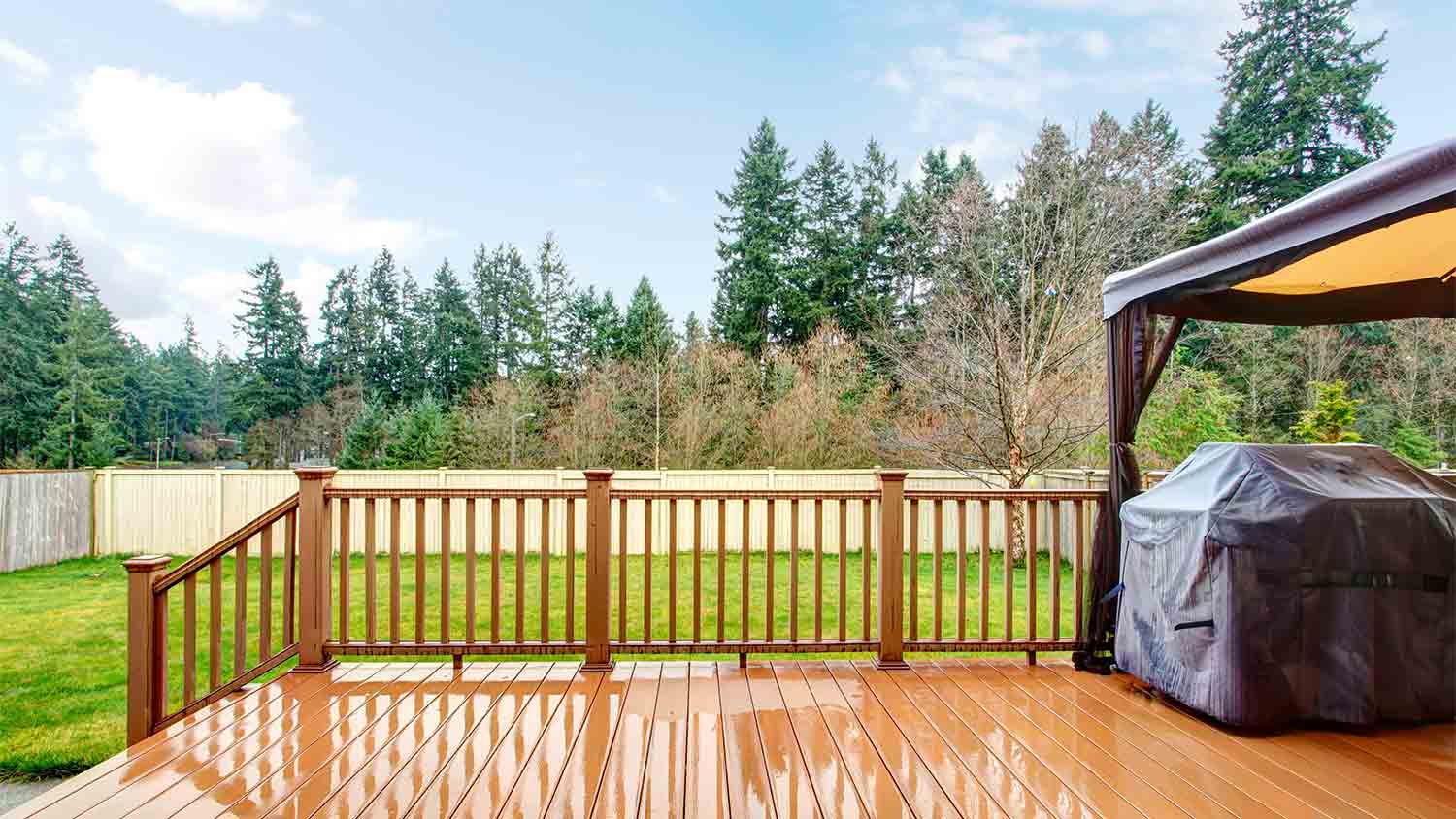
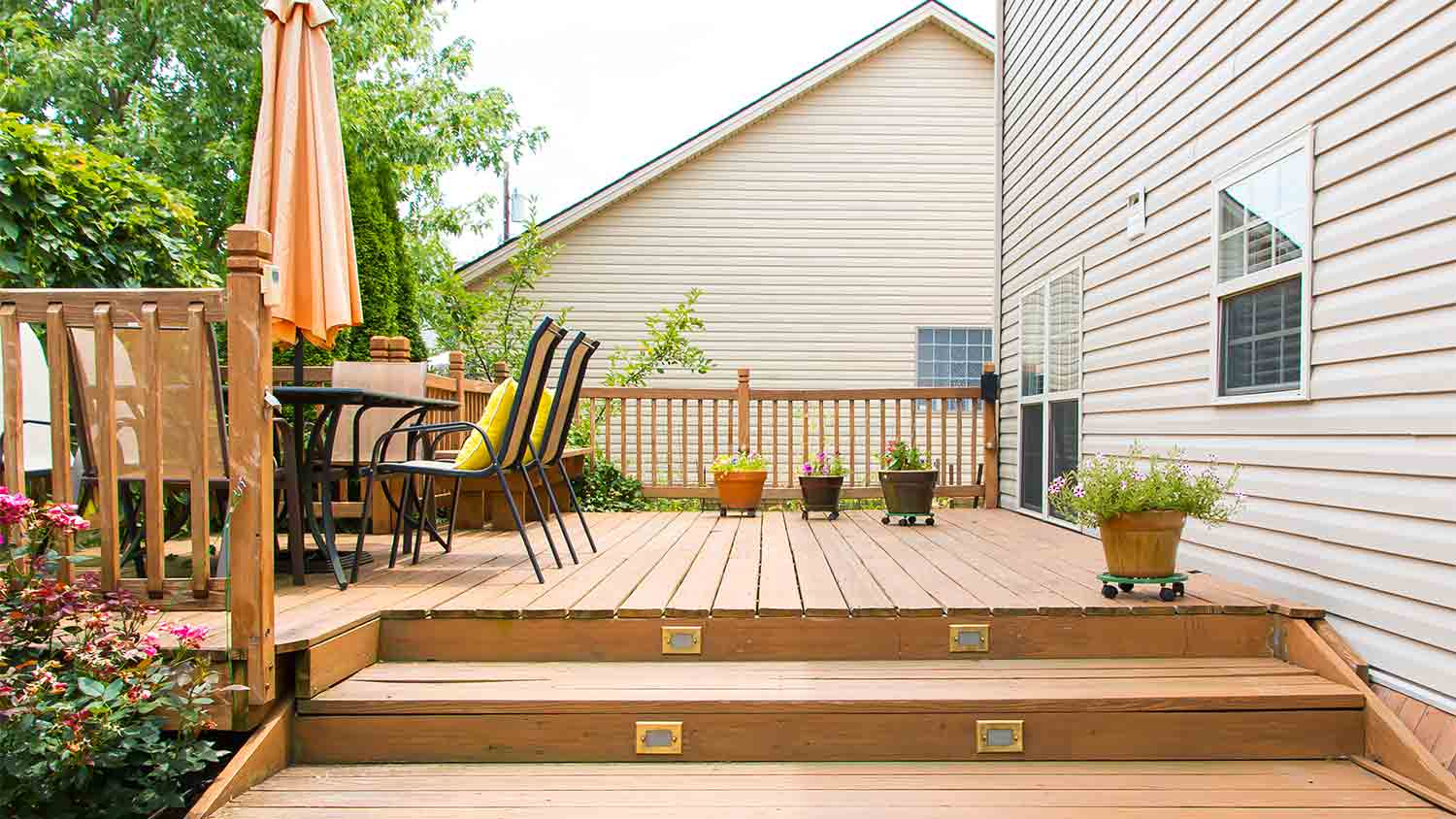
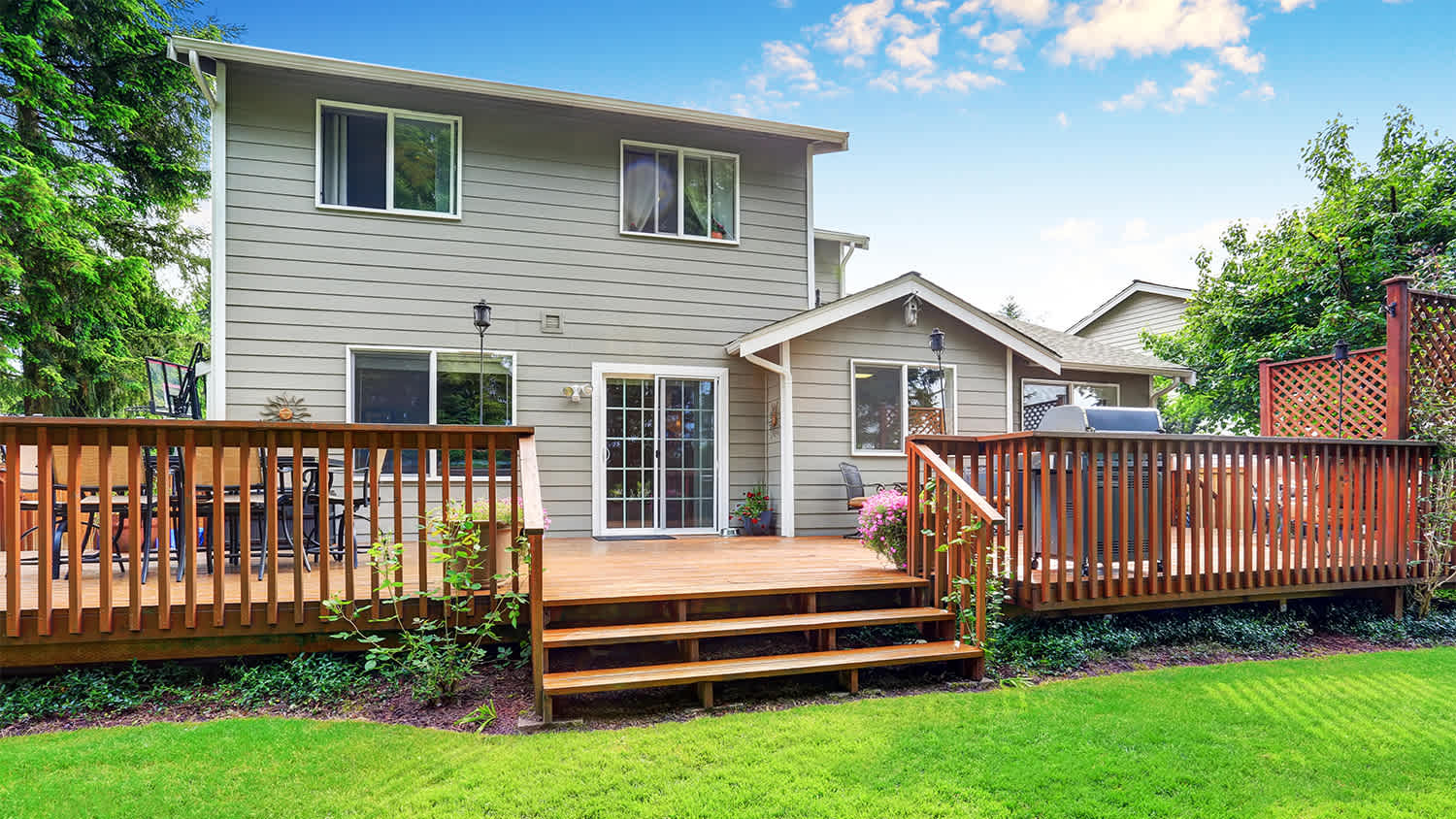
"The Renew Team did a great job with replacing a new deck for me. They were efficient, professional, left no mess for me to clean up. They put a wooden fence in for me a couple of years ago and did such a nice job I wanted them to replace my large deck. Would definitely recommend Renew!"
"Our multilevel deck, children's swing set, and Eagles Nest looks terrific! Exterior Maintenence KC's bid was very reasonable. They always showed up on time and finished the project in just two days! Neighbors, friends and family have been very complimentary! Exterior Maintenence KC has our business forever!"
"We recently signed an annual maintenance agreement with American Patriots Power Washing for The Ridge Apartment Complex in St. Joseph, Missouri, covering soft washing of our buildings, walkways, and pool area. James was professional, knowledgeable, and made the entire process easy from start to finish. We look forward to keeping our property clean and inviting year-round with a team we can trust. Highly recommend!"
"He was very polite on time Did an excellent job Cleaned up Well worth the money Very quick to answer my request Over all very pleased with the whole experience. Would recommend him for all jobs."
T&L Services provides practical, dependable help for homeowners, property owners, landlords, contractors, and small businesses. From cleanouts and removal work to handyman projects, day labor, and construction, we are ready to step in and help keep the work moving.\n\nWhether you need an extra set of hands, help finishing a project, or someone to take care of the work you do not have time to handle, T&L Services is built to work.
The beginning: The estimate and contract were handled professionally by Cory. After appropriate down payment was provided, materials were delivered as promised. Cory had told us that it could take 5 to 6 weeks to finish the job; however Mario and his crew did the job in less than two weeks. Very quick and efficient. We couldn't believe how hard this siding crew worked - they arrived promptly in the early morning and worked until dark, cleaning up every evening before they left. This house is a very large house that has over 4,000 sq. ft. of siding.
The crew did their best to strip off only what they could cover that day, and never left our house unprotected during the installation cycle. We had a few rainy days during the project, but the crew worked through and around the storms. Mario and the rest of the SRS installation crew worked with me and handled all of my various questions satisfactorily along the way.
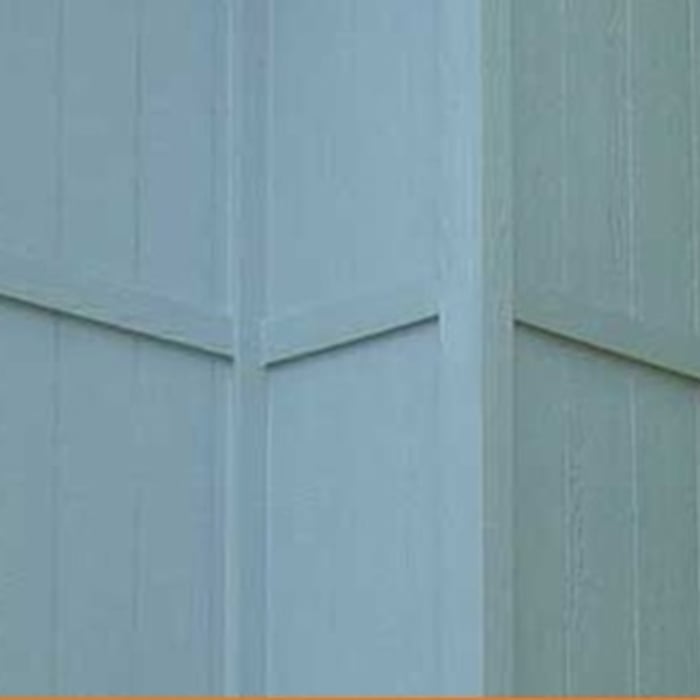
After the siding and trim were installed, all seams were caulked with matching materials. Then the remaining trim - soffits, fascia and gutters were painted.
A side note: this project started out in the spring as a simple paint job, and after a hail and wind storm interrupted the project it changed into a siding repair and paint to one end of the house. When it was discovered that the siding could not be matched, Cory worked with us and the insurance company to come to a satisfactory settlement that resulted in a complete siding replacement for the entire house. It took some convincing for the insurance company, but Cory stuck with it working with the adjusters and my agent to reach a satisfactory result. During this tiring and frustrating process, Cory hung in and revised the estimates and contracts to match our needs. Real customer service!
The Result: The house looks like a new house, better than it has ever looked - even on the day it was completed 28 years ago. I personally read every page of the James Hardie installation manual for certified installers, and to the best of my knowledge Mario and his crew followed the recommendations to the letter. We are very pleased with how nice the house looks, now. Our house is the talk of the neighborhood.
"Laundry closet build. Framing, drywall, electrical, plumbing, flooring and painting. Excellent service and care taken to finish project. Will use again for other home projects."
Yes, you can draw your own deck plans in many cases. However, you must know your local building codes and be familiar with carpentry principles. Even then, it's always best to run your plans by a professional contractor with experience building decks, whether you choose to DIY some of the build or not.
Homeowners should build their floating decks at least 18 inches off the ground. Having it at this height will allow for better airflow underneath and help prevent moisture-related problems like warping or rot. That being said, local guidelines for deck heights may vary depending on where you live.
Rotting wood, loose railings, or unstable stairs may indicate a need for expertise.
Yes, adding a composite deck, such as one made from Trex, can significantly increase your home's value. It is a valuable home renovation for recouping costs, with some estimates for return on investment (ROI) ranging between 60% and 70%. More recently, Remodeling's 2024 Cost vs. Value Report suggests a deck addition has an ROI of 82.9%, with an average resale value of nearly $14,600. A new deck makes your yard more functional, enhances the landscape's aesthetic, and can entice prospective buyers. The investment may have a higher return if the deck adds usable square footage to the property.
The best way to clean your decking is to clear debris from the gaps between the boards, sweep the surface, rinse it, apply cleaner, rinse again, and let it dry fully. A homemade deck cleaner made of two gallons of warm water and 1/2 cup vinegar is a simple cleaning solution for both wood and composite decking. You can sprinkle baking soda on any spots with mold or mildew, then scrub the area and rinse clean.
The Saint Joseph, MO homeowners’ guide to deck maintenance services
From average costs to expert advice, get all the answers you need to get your job done.
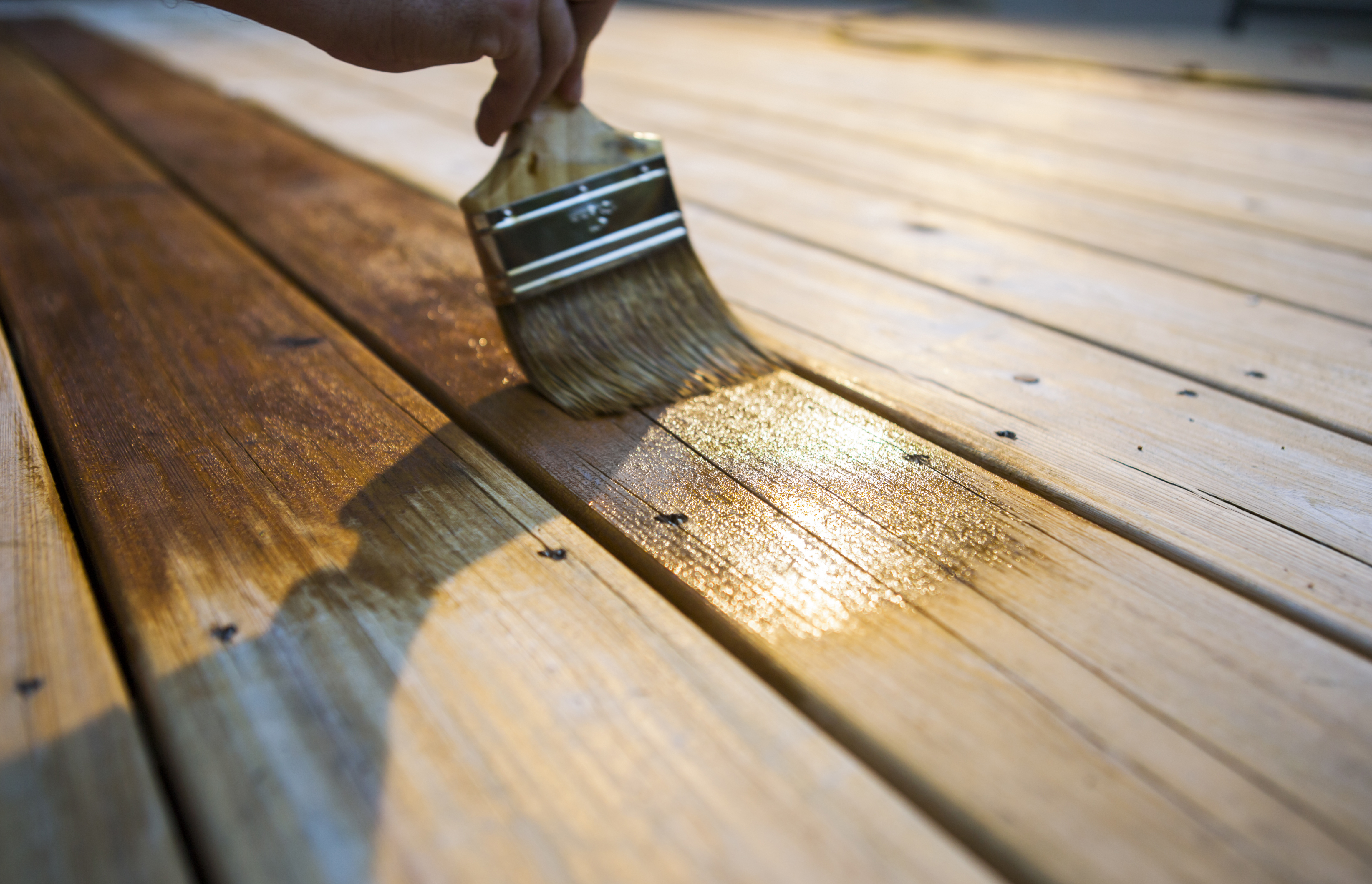
Deck maintenance is vital to protecting a wooden deck. Cleaning, staining and sealing a deck after pressure washing will add years to its lifespan. Protect a deck by following these deck maintenance tips for cedar and other types of wood materials.
Finding maintenance-free decking that works for your home, budget, and lifestyle can be challenging. This guide lists the 7 best low-maintenance deck materials.